

Paint decontamination clay bar use is surging among car owners seeking that ultra-smooth, glossy finish without a trip to the pro detailer. In this guide, you’ll get a realistic, step-by-step approach to choosing and using the right clay tool for your car, avoid classic mistakes, and make the most of your time investment.
Key Takeaways
- Paint decontamination clay bars are now used regularly by about 12% of vehicle owners and are a proven tool for removing embedded contaminants pre-polishing.
- Most complaints center on accidental marring and time investment, but these are easily prevented with proper technique and equipment.
- You’ll get the best results by choosing the right kit, following a methodical lubricant-heavy process, and understanding both what clay removes—and what it can’t fix.
- Who uses paint decontamination clay bars in 2024 — adoption and trends
- Step-by-step guide: How to use a clay bar on your car
- Advanced analysis & common pitfalls
- Conclusion: Should you use a paint decontamination clay bar?
- FAQ: Paint decontamination clay bar essentials
Who uses paint decontamination clay bars in 2024 — adoption and trends
The latest research shows that about 12% of vehicle owners in 2024 regularly use paint decontamination clay bars as part of their cleaning and detailing process. This is a significant jump from the approximate 5% reported just five years ago. The trend is driven by wider awareness, accessible DIY kits, and a boom in car appearance pride—especially among daily drivers and car enthusiasts who want showroom looks without professional costs.
This rising adoption means more hobbyists and owner-operators, not just pros, are claying a few times yearly to maintain gloss and clear coat quality. Modern improvements also deliver safer, more lubricated clay bar kits and easier-to-use clay mitts or towels. As a result, both the frequency of use and the consistency of good outcomes have increased. For a deeper look at these trends, see industry insights and product guides like Common Car Detailing Mistakes.
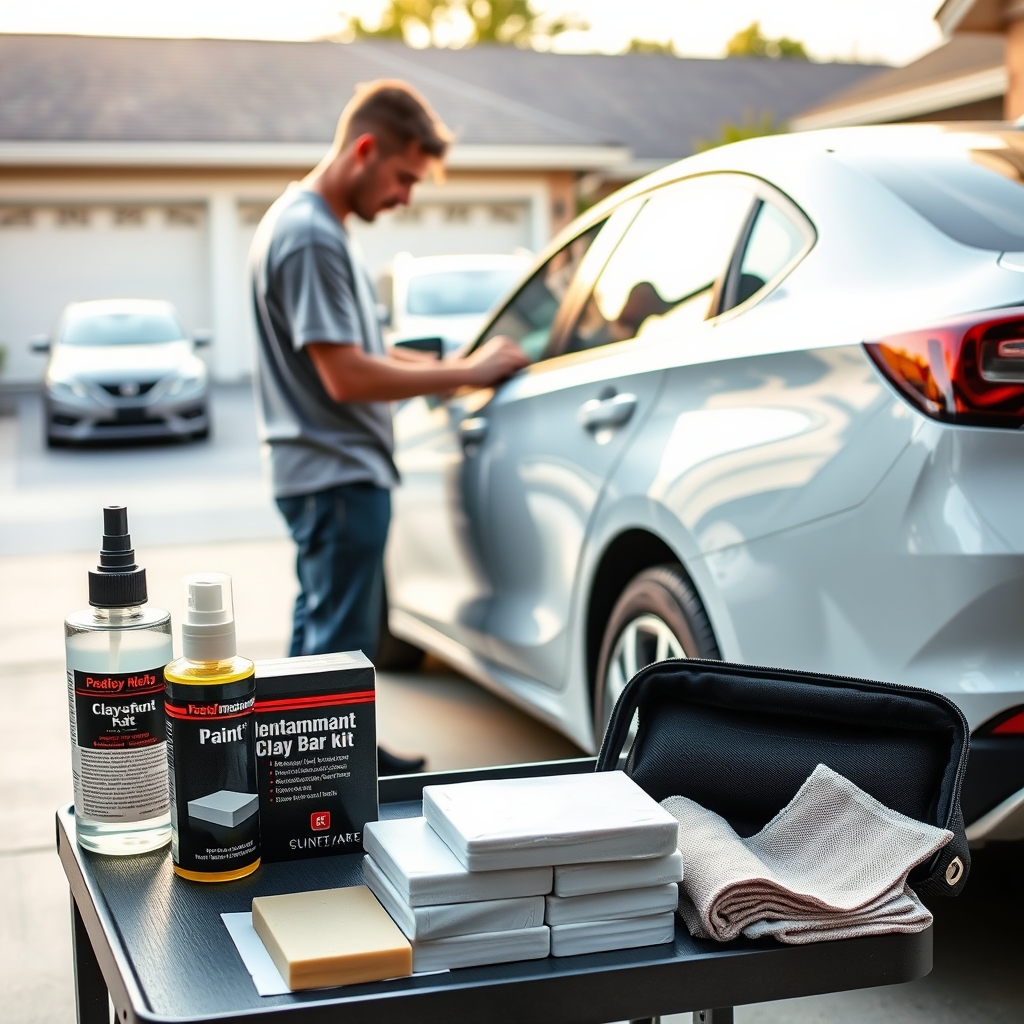
So, what’s fueling the popularity? It’s the realization that a clay bar removes what your wash mitt can’t: industrial fallout, light overspray, embedded brake dust and tree sap residue. Regular use translates to easier polishing, better gloss, and paint that feels superbly smooth by touch—results that are instantly obvious to any car enthusiast.
Step-by-step guide: How to use a clay bar on your car
- Wash & dry thoroughly: Clean your car with a high-quality shampoo and microfiber wash mitt. Rinse and dry—water spots and loose dirt must go.
- Test for roughness: Glide your palm or a plastic bag over the paint. If it feels bumpy or “grabs,” the surface has embedded contaminants.
- Prep your clay bar kit for car detailing: Select your clay (bar, mitt, or towel depending on experience and contamination). Flatten a fresh piece into a small patty for control, and prepare your dedicated clay lubricant.
- Work one panel at a time: Generously spray lubricant onto a 2’x2′ section. Gently glide the clay bar in straight lines—never circles—using light pressure.
- Inspect clay and surface frequently: Fold or knead clay to a clean side after every few passes. If you hear or feel grit, reshape immediately. If the clay looks dirty, discard and start fresh to avoid swirl marks.
- Buff and check: Wipe away excess lube with a soft microfiber towel. Feel for smoothness; if not glassy, repeat with more lube and minimal pressure.
- Final rinse and dry: Rinse thoroughly to remove any clay residue. Dry and move on to wax or sealant within a couple of hours. (See our Car Sealant Guide for recommendations.)
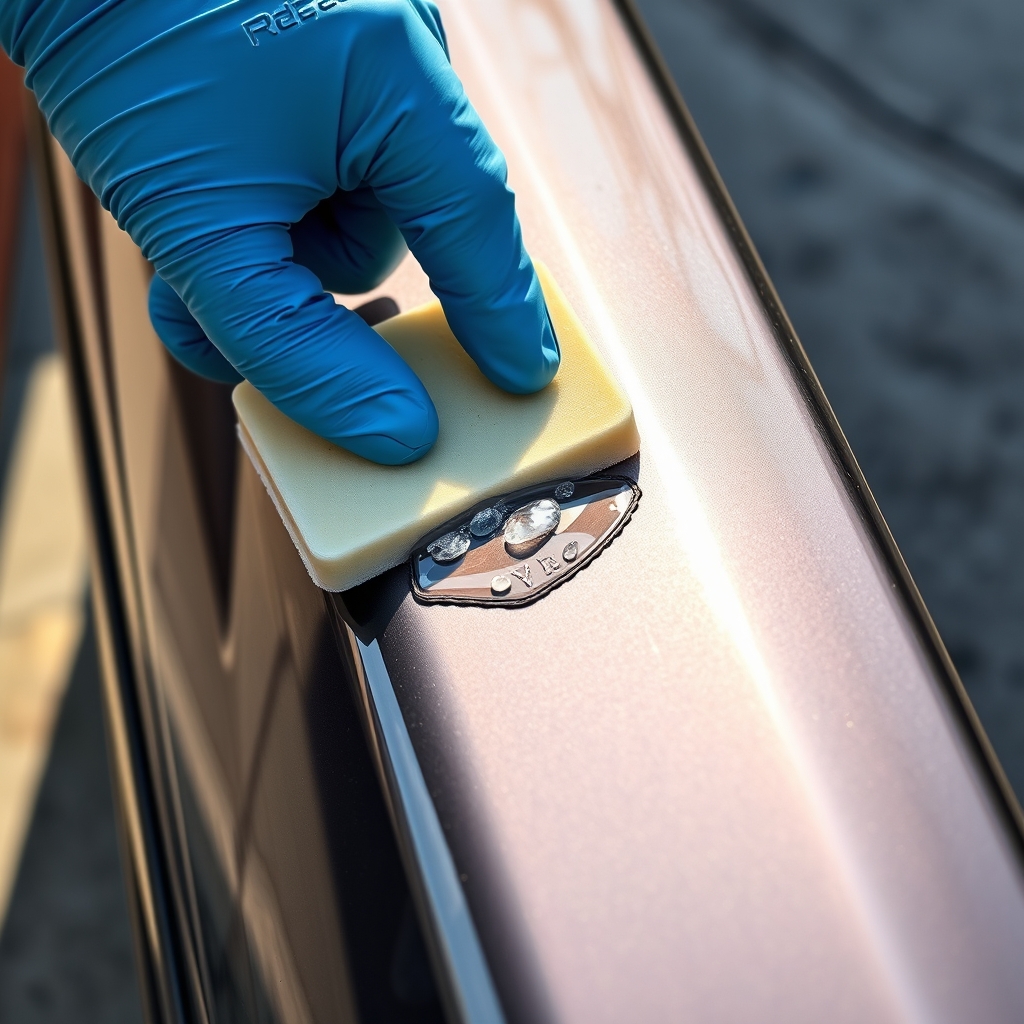
Repeat this process for each panel, always working in shade (never sun or on hot panels). Total time for a standard sedan is typically 60–90 minutes, depending on the contamination level and your clay bar detailing kit choice. For step-by-step visuals, check Torque Detail’s full walkthrough.
Need more step-by-step visuals? Try the Ultimate Clay Bar How-To and our Clay Mitt vs Bar Comparison for product selection help.
Advanced analysis & common pitfalls
Even with careful technique, some frustrations are common among DIY detailers:
- Marring or surface scratches: Nearly all complaints stem from using the clay bar without enough lubricant or letting the clay get contaminated with grit. Once this happens, continual use just drags debris across your clear coat. Solution: constantly re-knead to a fresh surface, discard visibly gritty clay, and always keep the surface saturated with lube. According to Chemical Guys’ research, these steps prevent 90% of accidental swirl mark issues.
- Time commitment: Many underestimate the total time needed when using a full clay bar detailing kit. While mitts and towels are faster, clay bars deliver more precise removal for heavily contaminated sections. Plan at least an hour for careful work on a midsize car.
- Heavy fallout or deep oxidation: Clay bars remove embedded particles but can’t solve deep scratches or stubborn, bonded industrial fallout in a single pass. Multiple rounds or alternative Chemical Fallout Removers may be necessary—especially if the paint has visible spots after claying. See our chemical vs. clay decontamination comparison for escalation tips.
- Kit confusion: Not all clay bar kits for car detailing are equal. Premium kits include dedicated clay lube, a storage case for reusable clay, microfiber cloths, and step-by-step instructions. Cheaper kits often skimp on these key extras and use rougher, lower-resin clay. For exact differences, see our Best Clay Bar Kits Reviewed.
| Method | Strengths | Weaknesses | When to Use |
|---|---|---|---|
| Clay Bar | Maximum contaminant removal, precise, affordable | Time-intensive, marring risk if misused | Best for visible or feelable roughness, heavy embedded particles |
| Clay Mitt | Faster, reusable, less hand fatigue | Not as effective for spot-treatment of stubborn areas | Regular maintenance, lightly contaminated cars |
| Chemical Fallout Remover | Great for iron, brake dust, less risk of marring | Won’t remove sap, paint overspray, some particles | Use before or in addition to claying if heavy iron fallout is a problem |
For more troubleshooting, see the latest reference guide and our Clay Bar Troubleshooting Checklist.
Conclusion: Should you use a paint decontamination clay bar?
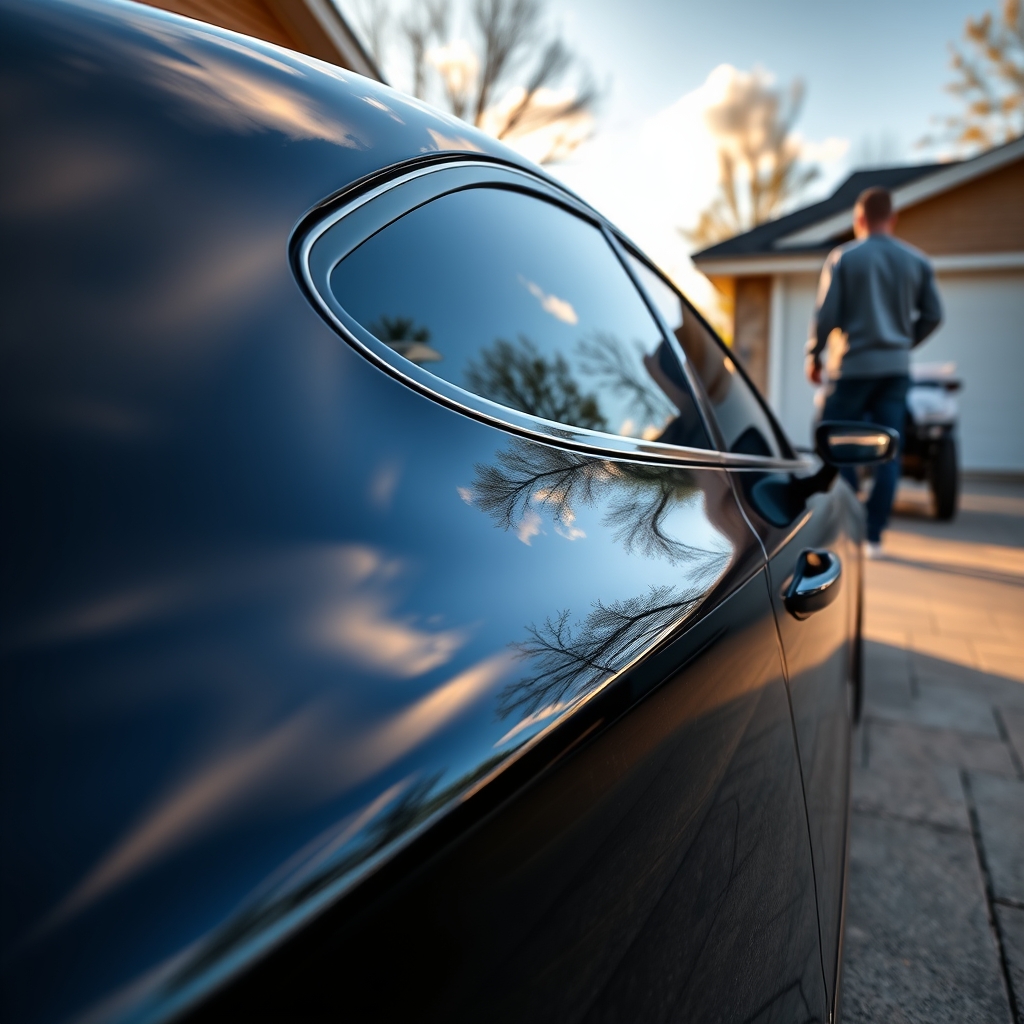
For the intermediate DIY enthusiast, a deliberate approach with a quality clay bar kit makes it absolutely possible to get dealer-level results at home. Just remember: understand what a clay bar for swirl marks removal can (and can’t) do, focus on high-lubrication technique, stay patient, and pick the kit that matches both your skill and contamination level. The result is an ultra-smooth finish, easier polishing or waxing, and best of all—a level of pride that only comes from hands-on care.
Ready to level up your next clay bar detailing kit experience? Browse the latest kits or ask our detail advisor for a custom contaminant assessment.
FAQ: Paint decontamination clay bar essentials
Can I use a clay bar on a new car?
Yes, but test surface first. Many new cars still have transport dust, rail dust, and minor overspray. Use gentle pressure and plenty of lubricant for best results.
Will a clay bar remove deep scratches or heavy oxidation?
No, clay bars target embedded surface contaminants. For deep scratches or persistent oxidation, polishing is required. See polishing vs. claying for details.
How often should I clay bar my car?
Most DIYers find that two to four times per year is enough—especially before waxing or sealing. Overuse can slightly thin clear coat if done excessively.
Which is better: clay bar vs clay mitt?
For precise decontamination or heavy buildup, a traditional clay bar gives best results. For faster maintenance, a clay mitt or towel is easier and more ergonomic—just trade a small amount of deep cleaning power. Get a full clay mitt vs clay bar breakdown here.
What should I do if my clay bar gets dirty?
Stop, fold/knead to expose a clean side immediately. If you can’t find a totally clean portion, discard the clay and use a fresh piece. Never risk scratching your paint with a contaminated clay bar.