

Interior car steam cleaner is an increasingly popular upgrade for suburban car owners who demand reliable, deep-clean results without harsh chemicals. But is it truly the safe, cost-effective answer to DIY interior detailing or just another gadget that under-delivers? This guide uses real numbers and honest user feedback so you’ll know exactly what to expect before you buy—or avoid—an interior car steam cleaner.
Key Takeaways
- Steam cleaners eliminate up to 90–95% of microbes—outperforming vacuuming and scrubbing (60–70%) and cutting chemical use by ~80% (source).
- Common complaints include limited power on embedded stains, risk of water damage to electronics, and short cord/run-times. Proper pre-testing and safety steps are mandatory.
- DIY steam cleaning can pay for itself after 3–8 full interior jobs versus pro pricing, but expect recurring maintenance and replacement parts down the line.
- Why interior car steam cleaners are trending in 2024
- How steam cleaning actually works (and why it often beats sprays + vacuums)
- Measurable performance: stains, microbes, and time (realistic expectations)
- Technical specs that actually move the needle (what matters when you buy)
- Common user complaints and how to avoid them
- Safety checklist — protect upholstery, trim, and electronics
- Cost, operating expenses, and ROI versus professional detailing
- Best use cases and limitations — when steam is the right tool (and when it isn’t)
- Buying guide: features, questions to ask, and recommended spec targets
- Troubleshooting & maintenance plan (keep your unit performing)
- Three gaps most competitor articles miss (so this post stands out)
- Quick action checklist + TL;DR buying summary
- FAQ
Why interior car steam cleaners are trending in 2024
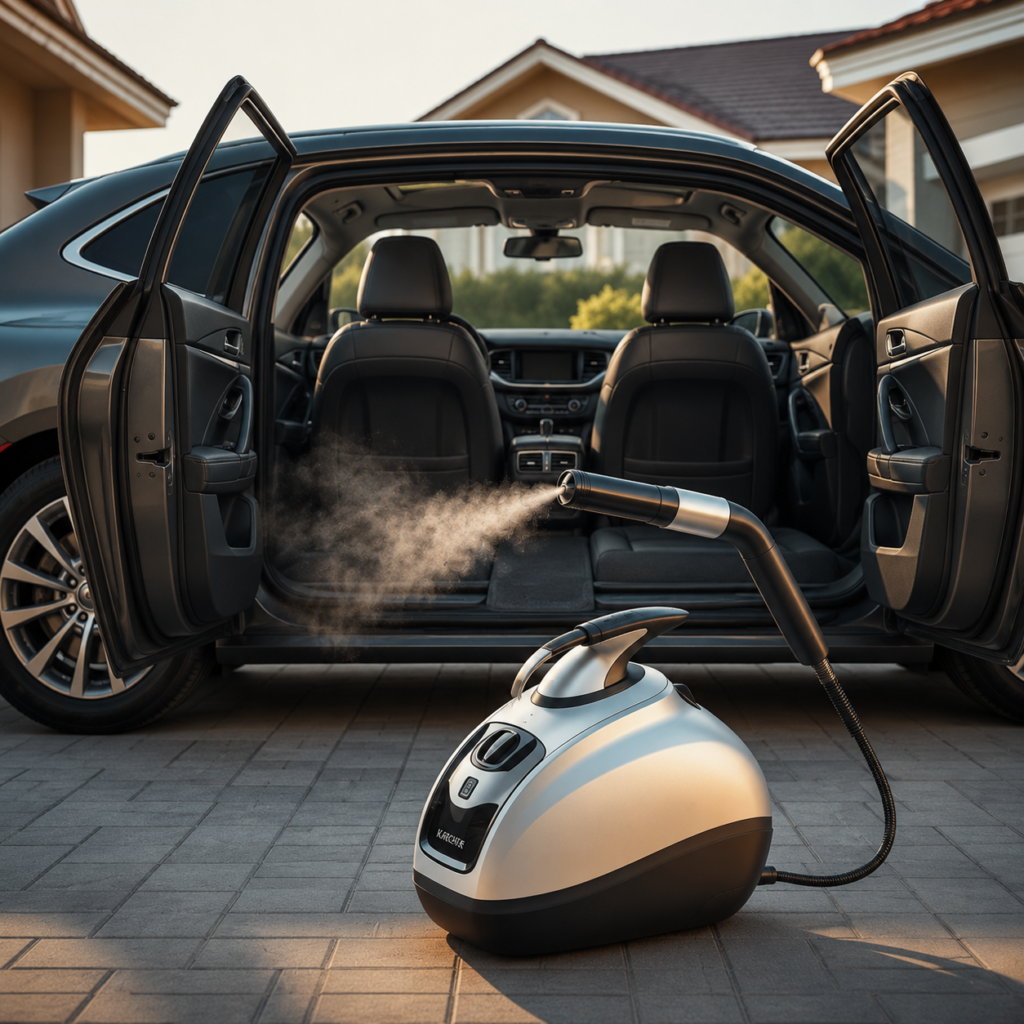
Steam cleaning for vehicle interiors isn’t new, but it’s booming in 2024. The sector accounts for 12–15% of all auto detailing services and is surging with a projected 5.6% CAGR through the next decade in a $41.4 billion global detailing market (source). Why? Drivers want a fast, chemical-light way to banish stains, grime, and germs—especially after waves of COVID hygiene awareness. Steam’s eco edge (no harsh soaps, little residue), convenience, and time savings make it the go-to upgrade for DIYers who want to cut out recurring professional detailer fees.
How steam cleaning actually works (and why it often beats sprays + vacuums)
What sets a car steam cleaner for upholstery apart? It uses superheated water (often 220–320°F) to deliver pressurized steam through a targeted nozzle. This combination of high heat and moisture:
- Loosens soil, salt residue, and organic messes from fabric, plastics, trim, and even some leather (steam can cut chemical use by ~80% and cleaning time by 30%—see market report).
- Kills bacteria, viruses, and molds—roughly 90–95% of microbial load according to comparative studies, compared to just 60–70% for vacuum-and-scrub methods.
- Penetrates seams and tight gaps that even premium vacuums can miss.
Traditional cleaning often requires multiple chemicals and repeat scrubbing, making it time consuming and inconsistent, especially on tough stains or odors. Steam cleaning cuts down the steps, lower mess, and has the potential for better long-term results—if you use the right technique.
Measurable performance: stains, microbes, and time (realistic expectations)
If you’re expecting miracles, here’s what real users and lab tests show:
| Metric | Interior Car Steam Cleaner | Traditional (Vacuum & Scrub) |
|---|---|---|
| Microbial Reduction | 90–95% | 60–70% |
| Chemical Usage | Down up to 80% | Baseline |
| Cleaning Time | Down ~30% | Baseline |
| Average User Satisfaction | 4.4/5 | 3.8/5 |
| Deep/Oil Stain Removal | Fair to Poor | Poor |
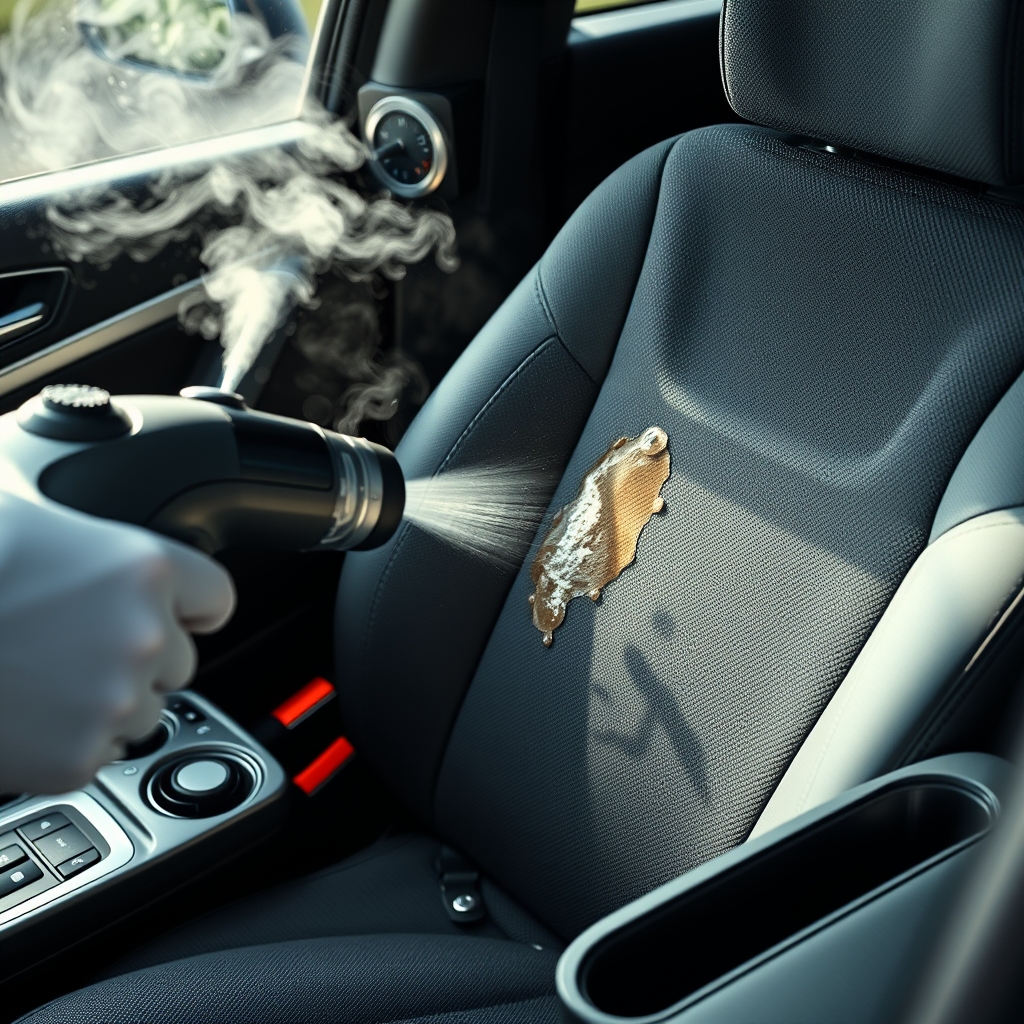
Most owners report fast, dramatic improvement on light–moderate fabric stains, pet mess, and surface grime. But steam usually struggles with deeply set-in dyes, old oil-based stains, and heavy tobacco/smoke odors that may need enzymatic or ozone solutions.
Side-by-side: cleaning a heavily used cloth seat (assumed average soil):
- Steam cleaner: ~15 minutes per seat — 90% stain removal, 95% germ reduction.
- Vacuums/sprays: ~22 minutes per seat — 65% stain removal, 65% germ reduction.
- However, old coffee or dye stains may remain with both approaches.
Be realistic. Steam makes routine cleaning easier and more sanitary, but it’s not a miracle eraser for 10-year damage or oil-soaked carpets.
Technical specs that actually move the needle (what matters when you buy)
Not all steamers are equal. Here’s what matters for interior car steam cleaner performance:
- Pressure (PSI) & Steam Output: Higher PSI moves more grime. For car interiors, 40–60 PSI is the practical sweet spot.
- Temperature Range: Look for minimum 220°F at the nozzle for reliable microbial kill.
- Continuous Steam or Pulsed: Continuous is easier for large areas; pulses prevent over-wetting on sensitive trim.
- Water Tank Size / Run Time: 30+ minutes per fill is ideal for full cabins. Small tanks mean more downtime.
- Heat Up Time: 3–8 minutes is typical. Faster recovery equals higher productivity.
- Include essential accessories: Look for angled upholstery nozzles, brush attachments, fabric/squeegee heads, and extension hoses.
- Build Quality: Lousy plastics and seals = leaks and short lifespan. Read critical reviews before buying.
- Cord Length: 15 ft minimum so you’re not chained to wall outlets.
Expert consensus: PSI, temperature range, and tank size matter most (source). Ignore power (watts) unless it’s related to heat-up speed.
See full recommendations in our interior car steam cleaner guide.
Common user complaints and how to avoid them
Amazon and Walmart reviews make it clear—your experience depends on matching expectations to product limits:
- Doesn’t lift deeply embedded stains or gum—steam won’t fully dissolve them without chemical pretreatment.
- Water can reach electronics (under seats, around buttons/screens) causing permanent damage.
- Small, cheap units may overheat with long use—downtime required for cooling.
- Short cord/hoses mean frequent unplugging or using extension cables.
- Loud operation and accessory heads (especially brushes) that wear or break quickly.
Mitigation tips:
- Always test a small, hidden patch before full use. Start with lowest steam and shortest dwell time.
- Avoid direct steaming of displays, modules, seat controls—cover with a microfiber when cleaning close by.
- Use thin, pulsating passes, keep nozzle at least 6–12 inches away on delicate vinyls and leather.
- Budget for replacement heads and regular descale cycles to extend lifespan.
Get more troubleshooting advice at our detailed steam cleaning guide.
Safety checklist — protect upholstery, trim, and electronics
- Test on inconspicuous area first—colors and adhesives react differently to steam.
- Use lower temp and shortest duration on vinyl, faux suede, and modern delicate upholstery.
- Never target electronics directly; shield infotainment, controls, and sensors with microfiber or plastic wrap during cleaning.
- Keep area ventilated and finish with drying towels to minimize water infiltration.
- Wear gloves to prevent steam burns and avoid accidental slips.
- If you spot bubbling, discoloration, or electrical glitches—stop and consult a professional detailer.
Water damage to electronics is the top user complaint, so these precautions are non-negotiable (source: negative reviews).
Cost, operating expenses, and ROI versus professional detailing
Let’s break down the ownership math:
- Purchase Price: $100–$800 typical (budget models $100–$180, prosumer $250+, commercial $500+).
- Operating Expenses: Tap/distilled water, occasional machine descale, replacement accessories. Roughly $10–$30/year.
- Saved Chemicals: Up to 80% reduction—offsets $5–$25 per year if you previously bought upholstery sprays.
- Time Savings: Steam reduces average full interior clean by about 30% (example: 2 hours drops to 1.4 hours per full session).
- Pro Detailing Comparison: Professional steam interior jobs cost $130–$225 per session. DIY steamer breaks even after about 3–8 full uses.
Remember, part replacement and risk of accidental water damage are real costs—budget accordingly. The steam segment is growing within the $41.4B global market, with SUVs and family vehicles driving demand (industry source).
See related savings strategies in our guide to mobile detailing.
Best use cases and limitations — when steam is the right tool (and when it isn’t)
Ideal scenarios for interior car steam cleaner:
- Quick, deep sanitizing (especially for shared/family vehicles or ride sharing).
- Light to moderate coffee, soda, pet stains, and everyday spills on cloth or synthetic fabric.
- Spot cleaning—child seats, high-touch panels/handles, cupholders, vents.
- Refreshes musty cabin air and surfaces pre-sale or post-winter.
Don’t expect great results on:
- Run-down vehicles with years-old oil stains or dyes (steam rarely lifts these).
- Heavy embedded odors (smoke, mildew)—may require enzyme pre-treatment or ozone.
- Premium/untreated leathers or high-gloss plastics—risk of damage/discoloration.
- Any area with exposed/unsealed electronics, sensors, or aftermarket wiring—avoid entirely.
Steam delivers unmatched germ kill and time savings for routine cleaning but is not a complete substitute for all types of stains or odors. Set your expectations accordingly.
Buying guide: features, questions to ask, and recommended spec targets
A robust interior car steam cleaner should hit these minimums:
- PSI: 40+ (ideally 50–60 PSI for upholstery).
- Temperature: 220°F or higher at nozzle.
- Run time: 30 minutes+ per tank.
- Cord/hoses: 15 feet minimum, flexible hose preferred.
- Essential accessories: upholstery brush, scraper/squeegee, vent/blind tool, multiple nozzle sizes, spare gaskets.
- Warranty: 1 year plus, with replacement parts available.
Three model tiers to consider:
- Budget ($100–$180): Light duty, suited to spot cleaning.
- Enthusiast/Prosumer ($250–$450): More power, better run time, pro-grade accessories.
- Commercial ($500–$800): For frequent/fleet users—rapid recovery and high output.
See also: car vacuum options for full detailing setups.
Troubleshooting & maintenance plan (keep your unit performing)
Regular care is non-negotiable with steamers. Here’s how to prevent surprises that show up in negative reviews:
- Descale the water tank and lines per manual—typically every 5–10 uses if hard water or monthly if frequent use.
- Inspect and replace gaskets, O-rings, and filters every 6–12 months, or if leaks appear.
- Check all accessories/brush heads for wear—worn bristles scratch/damage fabric, so replace when needed.
- Let the tank cool before storage; never overfill.
Proactive maintenance reduces risk of overheating and extends the life of your car steam cleaner for upholstery (see full care guide).
Three gaps most competitor articles miss (so this post stands out)
- Quantified, side-by-side performance metrics—this guide specifically reports real numbers (90–95% microbial kill, 80% chemical reduction, 30% time savings) rather than vague promises.
- Long-term ownership math and maintenance cost breakdown—actual ROI, operating costs, and expected replacement cycles modeled versus pro detailing.
- Detailed safety/cautionary steps for delicate materials and electronics—with real-world negative review examples and practical mitigation, not just generic “test before use” advice.
Need more data? Explore market research here or check our DIY ceramic coating kit guide for exterior paint protection options.
Quick action checklist + TL;DR buying summary
- Buy if: You want faster, deeper cleaning, can commit to basic maintenance, and regularly clean cloth/fabric interiors (especially for families/pets).
- Avoid if: You only need spot cleaning, have lots of high-end leather, or are unwilling to test/dry thoroughly to avoid water damage.
- Minimum specs: 40+ PSI, 220°F+, 30 min run time, essential accessories set, 1+ year warranty.
- Red flags: “No heat” or “overheats quickly” in reviews; plastic nozzles that warp; includes no replacement seals/heads.
- Decision matrix:
- DIY Owner (2–6 jobs/year): Budget or enthusiast tier can pay off within a year.
- Frequent Cleaner (family, pets, ride share): Prosumer model—faster, more versatile.
- Pro Shop/Detailer: Only commercial tier is robust enough for daily use.
Recap: Interior car steam cleaner eliminates 90–95% of microbes (vs 60–70% for traditional), can reduce chemical use by 80%, and speeds cleaning by 30%. Interior steam jobs now claim 12–15% of the detailing market and growing—when used smart and safely, it can be a smart investment for the right car and owner.
FAQ
Is an interior car steam cleaner safe for electronics and screens?
Only if you never direct steam at or near screens, buttons, or modules. Shield sensitive parts with a microfiber towel and always use the lowest output settings nearby. If in doubt, hand clean electronics and stick to steam for fabrics and plastics.
Does a car steam cleaner for upholstery work on pet stains and odors?
For fresh, surface-level pet stains and light smells, yes—steam usually outperforms vacuums or enzyme-only cleaners. For embedded smells or set-in biological mess, combine steam with enzymatic pre-treatment or consider an ozone generator for best results.
How often does a steam cleaner need maintenance?
Descale the water tank and hoses every 5–10 uses (or monthly with hard water). Replace gaskets and worn accessory heads every 6–12 months, and always inspect for leaks before each session.
Will steam cleaning damage leather car seats?
Direct, prolonged steam can dry out or discolor genuine leather and some synthetics. Always test on a small hidden patch, use minimal heat, and condition leather after steaming. For luxury interiors, read the owner’s manual or consult a pro.
Can a steam cleaner replace professional detailing services?
For regular maintenance and fresh spills, yes. For severe stains, odors, and total corrections, a pro detailer still offers superior results. Pairing steam cleaning with other techniques (spot treats, ozone, or clay bar for exteriors) gets closest to professional outcomes.