

ceramic coating kit solutions are everywhere in 2024—and for weekend car-enthusiasts who want next-level paint protection, DIY ceramic coating car projects promise big results. But do these affordable kits genuinely deliver long-lasting gloss and defense, or are user complaints about streaks and peeling justified? In this guide, you’ll get clear, actionable steps tailored for first-timers, plus the honest downsides most sellers gloss over.
Key Takeaways
- DIY ceramic coating kits cost $50–$300 and offer 1–2 years of real-world protection—much less than professional coatings, but good value with careful prep.
- Most user issues—like greasy halos, streaking, and early flaking—come from rushed prep, wrong product choice, or skipping critical cure steps.
- Choose kits with high SiO2 content, clear instructions, and realistic claims—aim for products with verified reviews, not just flashy marketing.
- Why this guide matters — realistic expectations for beginners
- 2024 market snapshot — what the numbers mean for you
- Measurable differences — DIY kits vs professional application
- How much should a beginner expect to pay? (average costs & value tiers)
- Top 5 pain points verified users report (and how to avoid them)
- Step-by-step application checklist for beginners (realistic, focused)
- Cure times, typical difficulties and what “not cured” looks like
- Troubleshooting: fixes for high-spots, rainbow halos, streaks and flaking
- Top product features to prioritize when choosing a beginner kit
- Cost vs. benefit — when DIY makes sense and when to hire a pro
- Top 5 recommended example kits for beginners (by tier) — what to expect from each
- Aftercare & maintenance plan to get the advertised lifespan
- Top 3 sub-topics most competitor beginner guides miss (and why we cover them)
- Sources & further reading
Why this guide matters — realistic expectations for beginners
Ceramic coating kits are more popular than ever, but as a DIY ceramic coating car fan, you need to know what these kits really offer. According to 2024 market reports, the automotive ceramic-coating-kits market was valued at roughly $665 million in 2024 and is projected to nearly double to $1.25 billion by 2033 (8.2% CAGR). The broader DIY car-coating segment hit $12.1 billion in 2024 and is expected to grow 10.2% annually to $25.6 billion by 2033. With more brands entering the market, the quality gap between pro results and budget kits is now wider than ever.
Before starting, set realistic expectations: most ceramic coating kit options for home use last 1–2 years, give shiny-but-not-showcar gloss, and require killer prep (no shortcuts). Don’t expect permanent, invisible armor for the price of a dinner out. This guide explains how and why most DIY issues happen, and how you can avoid them with smart prep and the right product choice.
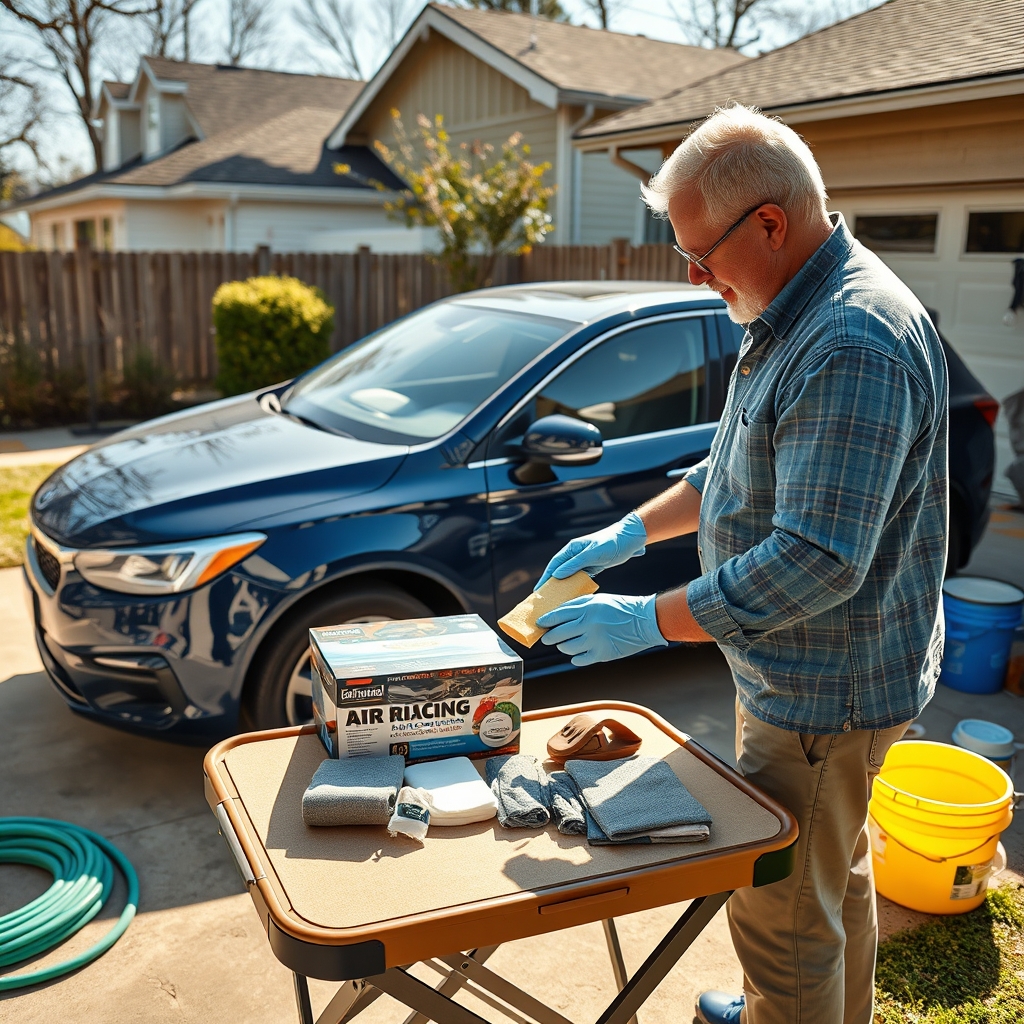
Step-by-step application checklist for beginners (realistic, focused)
Here’s how to confidently apply ceramic coating at home—from prep to post-cure. Skipping steps here is the #1 reason users see bad results!
- Thorough Wash: Use pH-neutral soap to fully remove dirt, grime, and wax. Rinse well and dry with a microfiber towel.
- Surface Decontamination (clay bar): Remove embedded contaminants with a clay bar and lubricant on all paintable surfaces.
- Inspect, Then Polish If Needed: Swirl marks or oxidation? Use a mild polish by hand or machine. Buff off residue completely.
- Final IPA Wipe Down: Use 70% isopropyl alcohol (IPA) and a clean microfiber to remove all oils from the surface.
- Apply In Small Sections: Dab a few drops of coating on the included applicator, spread thinly over 2×2 ft areas. Let it “flash” (per instructions, usually 2–5 min).
- Level & Buff Immediately: Buff off residue with a second, clean microfiber. Don’t let coating dry on the panel or it will streak.
- Wait for Cure: Let the coating cure as directed—typically 12–24 hours in a dry, dust-free space. Avoid moisture or washing for 3–7 days (check product label)
- Aftercare: Only use mild soap and no harsh chemicals during the first month. Top up with approved maintenance sprays as needed to extend life.
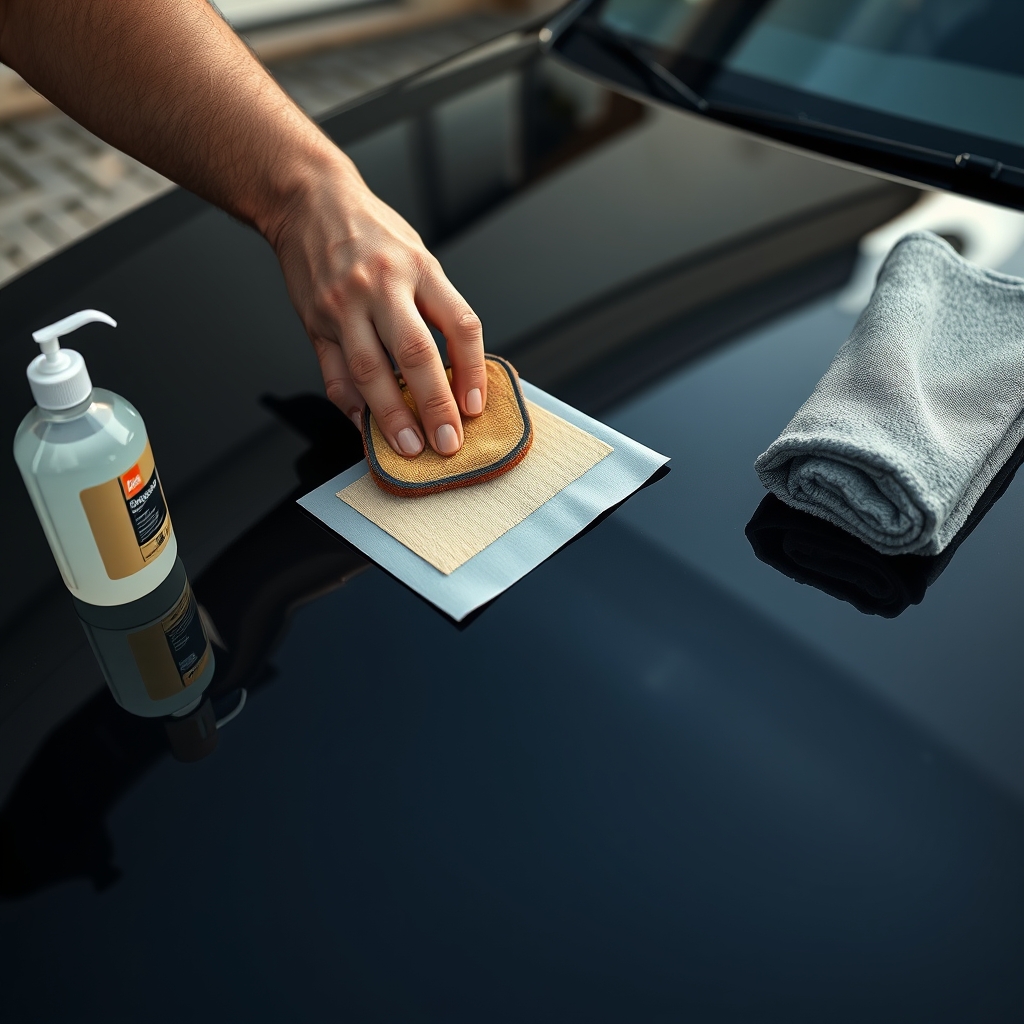
Expert tip: DIY ceramic coating car tasks go smoother with labeled towels and applicators—color-code for each stage to prevent reapplying wax or window cleaner onto your freshly prepped paint.
Top 5 pain points verified users report (and how to avoid them)
Thousands of verified ceramic coating kit reviews in 2024 highlight repeating problems. Nearly all can be avoided with better prep, realistic product choice, and careful attention. Here’s what actual users say—and how to dodge the common pitfalls:
- High Spots or Streaks: Caused by over-application or slow buffing. Fix: Work one small panel at a time, use plenty of clean microfiber towels, level immediately.
- Greasy / Rainbow Halos: Result from applying too thick or skipping the IPA wipe. Fix: Always wipe with IPA post-polishing; use trick lighting (LED/side light) to check for residue at every step.
- Short Cure, Quick Peeling: Many budget kits suggest 2–4 hour cures, but reviews show premature flaking within 6–12 months. Fix: Whenever possible, let coatings cure indoors for a full day if the weather allows.
- Low SiO2 Content = Low Durability: Kits under $50 often contain only 15–25% silica, meaning 6–12 months of protection tops. Opt for kits with at least 30–45% SiO2 for a year or more of life.
- Unclear Instructions: Vague surface prep steps or multi-language confusion leave users frustrated. Fix: Read reviews—and check if the brand has a clear, stepwise guide or customer support (some even have video walkthroughs).
Quick Comparison: DIY Kits vs Professional Application
| Metric | DIY Ceramic Coating Kit | Professional Application |
|---|---|---|
| Typical SiO2 Content | 30–45% | 80–90% |
| Expected Longevity | 1–2 years | 2–5 years |
| Gloss Retention | 78–85% | 92–95% |
| Water Angle (Beading) | >20° | Near 10° |
| Typical Cost | $50–$300 | $500–$2,500 |
Source: 2024 market reports & professional testing
Real-World Failure Modes
Data from verified user reviews consistently flags these red flags for kits under $50:
- High spots that never buff out, leaving smeary patches after washing.
- Rainbow halos in sunlight (especially on black paint).
- Dust and fingerprints “locked in” by incomplete surface prep.
- Coating flaking off in sheets within 6–12 months.
- Painful removal process if mistakes happen—often requiring compounding or polish all over again.
Conclusion
The explosion of budget-friendly ceramic coating kits means any enthusiast can get real paint protection at home, but your actual experience depends heavily on good surface prep, clear instructions, and choosing a quality product—not just lowest price. Verified reviews prove that skipping steps or aiming ultra-cheap leads to defects more often than pro-style gloss. For Sam and fellow DIYers aiming to protect and shine on a real-world budget, a reputable ceramic coating kit is a smart upgrade—as long as you go in prepared.
Ready to try? Start with a kit around $100, read instructions twice, and tackle your daily driver for skill-building before committing to family or show cars. Don’t let a bad finish slow your progress—share your results with our community and learn from real user stories!
FAQ
How long do DIY ceramic coating kits really last?
Most verified user experiences show actual lifespans of 12–24 months if applied carefully and properly maintained. Cheaper kits with lower SiO2 content may start to degrade or flake in as little as 6–12 months.
Is ceramic coating safe for older vehicles or faded paint?
As long as the paint is intact and you fully remove oxidation with polish first, DIY ceramic coatings can be used on older vehicles. Avoid using coatings on peeling clear coat or areas with significant damage.
Can I apply a ceramic coating kit outdoors?
Technically yes, but it’s not recommended. Outdoor application risks dust, pollen, temperature swings, and humidity—all of which can cause defects. For best results, use a garage or covered area.
What products should I avoid after coating?
Avoid any soaps or cleaners that contain strong solvents, waxes, or abrasives. Stick to pH-neutral car wash soaps and avoid commercial tunnel washes.
Can I layer two different ceramic coating kits?
Generally, it’s best to stick with one brand or product line per application. Mixing coatings can cause unpredictable adhesion or finish issues unless specified by the manufacturer.
2024 market snapshot — what the numbers mean for you
Growth in the ceramic coating kit space gives more options for weekend detailers. Market reports show 51% of kit sales come from DIY users, with body panels accounting for about 63% of applications (source). Brands range from reputable names like Chemical Guys and Gtechniq to off-brand Amazon specials—competition means both bargains and potential for poor instructions or reformulated products. Be aware: the rise of new sellers has increased low-end kit complaints in ceramic coating kit reviews 2024.
Measurable differences — DIY kits vs professional application
Professional ceramic coating services use advanced products with 80–90% SiO2, delivering 2–5 years of glossy protection (see reference). DIY kits often use 30–45% SiO2—good for 1–2 years at best. Water-repellency (hydrophobic angle) and gloss retention tests back this up. For most, the DIY vs pro question comes down to budget (kits $50–$300, pro jobs $500–$2,500), willingness to prep, and maintenance commitment. Check out our deep dive: ceramic coating kit vs professional.
How much should a beginner expect to pay? (average costs & value tiers)
Expect these price tiers when buying a best ceramic coating kit for beginners:
- Under $50: Common on Amazon; high risk of poor instructions, low SiO2, and durability issues. Good for practice, not long-term use.
- $50–$150: “Sweet spot” for first-timers. Mix of quality and accessible instructions—look for positive reviews and kits from established brands.
- $150–$300: Often multiple bottles, pro-inspired formulas, and better accessories. Strong performance but higher learning curve, especially for full paint correction.
DIY ceramic coating kits under $50 are often flagged for quality issues in verified reviews—consider spending a little more for long-term satisfaction (see research report).
Cure times, typical difficulties and what “not cured” looks like
Many kits promise quick cures. However, verified user reports highlight that inadequate cure times and unclear prep steps are top causes for defects like greasy halos, soft or sticky finishes, and premature flaking. A properly cured surface should feel slick but not greasy, resist light water, and not show rainbow hazing. If your coating never seems to dry, reacts to early rain, or beads oddly, it may be time to strip and reapply. This is why the first try is best done on a “practice panel”—not the main hood of your favorite ride. Most low-end kits with vague instructions can flake within a year without strict process.
Troubleshooting: fixes for high-spots, rainbow halos, streaks and flaking
When things go south, don’t panic:
- High spots: Quickly try a fresh microfiber with a dab of IPA; gently buff. If fully cured, use a finishing polish on just the spot, then reapply the coating.
- Rainbow halos/grease: Often means you applied too much. Buff harder and longer, and only on cool panels. For stubborn cases, polish and reapply as above.
- Widespread flaking/streaks: Sometimes needs reset; strip coating (clay, polish, IPA wipe) and start over. When in doubt, call in a reputable pro for evaluation on valuable cars.
User experience: “Uneven streaks and greasy rainbow halos that ‘never cure right’ led me to redo the job on the whole roof.” (carzmedics.com real user story)
Top product features to prioritize when choosing a beginner kit
- Published SiO2 percentage (aim for 30%+ and up for multi-year protection)
- Clear, stepwise written and video instructions
- Full applicator kit (applicator block, quality towels, gloves)
- Surface prep included or well-documented (IPA, clay, polish suggestions)
- Realistic durability claim, independent 3rd-party reviews, and lab or test data cited
- Straightforward warranty or support (avoid “lifetime” with fine print)
Professional-grade products have very high SiO2 (up to 90%)—but proper prep and care matter just as much as raw numbers. See our updated ceramic coating kit reviews 2024 for current picks.
Cost vs. benefit — when DIY makes sense and when to hire a pro
Here’s your decision cheat sheet:
- DIY makes sense if: Your paint is in fair shape, budget is $50–$300, you enjoy the process, and can spare a Saturday for prep.
- Hire a pro if: Paint has heavy swirls/scratches, you want 3+ years of guaranteed protection, or the car is a long-term collectible. Pros charge more, but coatings last 2–3x longer.
Weigh time, risk, total budget, and how long you plan to keep the car. DIY means lower cost today, but possible repeat work every year. For more details, see ceramic coating kit vs professional.
Top 5 recommended example kits for beginners (by tier) — what to expect from each
Here are example picks based on price tiers and real user reviews:
- Under $50: Shine Armor Fortify Quick Coat — Easy to use, minor gloss and beading, users report 6–9 months durability, but many note streaks and early flaking. Not for critical cars.
- $50–$150: Chemical Guys HydroSlick, Turtle Wax Hybrid Solutions Ceramic — Both deliver up to 12–18 months real-world protection, with user-friendly instructions and solid gloss. Great for first-timers.
- $150–$300: Gtechniq Crystal Serum Light or CarPro CQuartz UK 3.0 — Higher SiO2 content (40%–50%), strong hydrophobic effects, and durability up to two years with proper prep. More involved, but best for those looking to level up.
Want full breakdowns and side-by-side results? See our updated ceramic coating kit under $50 and “best for beginners” coverage.
Aftercare & maintenance plan to get the advertised lifespan
To reach or exceed the coating’s real life:
- Wash weekly (or biweekly in winter) using pH-neutral soap and gentle mitts
- Avoid drive-through or abrasive carwashes
- Top up every 3–6 months with maintenance sprays (from the same brand if possible)
- Spot clean bird droppings or tree sap ASAP—don’t let them bake in the sun
- If water no longer beads, clean with IPA and reapply a panel or use a booster
Without maintenance, even the best ceramic coating kit reviews 2024 highlight that DIY kits may deliver half their claimed life. Don’t let a Saturday’s work go to waste!
Top 3 sub-topics most competitor beginner guides miss (and why we cover them)
Here’s what stands out in this guide:
- Market context & adoption: Understanding why cheap kits are everywhere helps you avoid buying junk and clarifies price points.
- Measurable, comparable performance metrics: We share SiO2 %, gloss %, and beading data so you can compare apples to apples, not just marketing gloss.
- Real troubleshooting backed by verified failures: User stories and defect photos show exactly what can go wrong—and how to fix it fast.
2024 market: ~$665M, 51% DIY adoption; pro products run 80–90% SiO2, up to 5 years durability; budget kits are 30–45% SiO2 and last 1–2 years (“source”).
Sources & further reading
- Automotive Ceramic Coating Kits Market Report, 2024
- DIY Car Coating Kits Market Size & Forecast
- DIY vs Professional Ceramic Coating Cost/Results
- See our full ceramic coating kit reviews 2024 for hands-on impressions & gallery coverage