

Clay bar alternative mitt is now challenging the classic clay bar for DIY car detailers who want speed, reusability, and safer maintenance—but is it the best fit for you? This post breaks down all the crucial trade-offs and shows you exactly how to pick (and use) the right tool for your needs, based on real-world performance and verified 2024 cost-per-use numbers.
Key Takeaways
- Clay bar alternative mitts and clay towels slash claying time by up to 70% and cost roughly half as much per vehicle as traditional bars.
- Traditional clay bars still win for precision on neglected or heavily contaminated paint and tight crevices—but are slow, fatiguing, and risky if dropped.
- Proper lubrication and smart inspection are critical to prevent marring and missed spots, no matter which tool you choose.
- Core trade-off — Precision vs Speed, Cost, and Convenience
- Step-by-Step Guide: How to Use a Clay Bar Alternative Mitt/Towel
- Advanced Analysis & Common Pitfalls
- Conclusion
- FAQ: Clay Bar Alternative Mitts & Towels
Core trade-off — Precision vs Speed, Cost, and Convenience
If you obsess about perfect paint, you know the classic clay bar sets the standard for removing tough, embedded contamination. But it’s slow, fatiguing, easily ruined if dropped, and single use. The clay bar alternative mitt and clay towel for cars shake things up: they cover more surface in less time, last 30–50 cars, and reduce hand strain dramatically. On the flip side, mitts and towels may slightly underperform in spot-precision, especially within curves or hard-to-reach crevices, and some users report missed spots or micro-marring if technique slips.
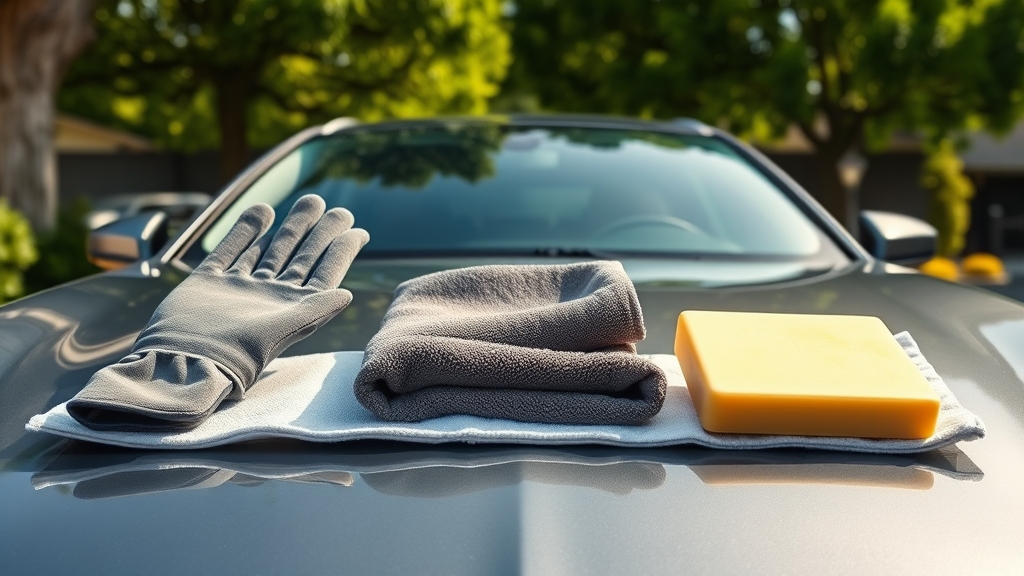
Real-world tests from Jalopnik and Hagerty show that a clay bar alternative mitt or towel can cut claying time by 40–60% on midsize cars and up to 70% on large SUVs. Average 2024 prices: $30–70 for a quality mitt or towel (good for 30–50 vehicles), versus $15–30 for a two-bar traditional kit that’s single-use. The right choice depends on your expectations: use clay bars for ultimate precision, reach, and paint smoothness—opt for alternative mitts and towels if you favor speed, less fatigue, long-term savings, and easier maintenance.
Step-by-Step Guide: How to Use a Clay Bar Alternative Mitt/Towel
Here’s how to safely decontaminate your paint using a clay bar alternative mitt or a clay towel for cars, maximizing both your results and tool longevity:
- Wash and dry your vehicle thoroughly. Claying works best on a truly clean surface to reduce scratching risk.
- Prep your mitt/towel. Soak the clay bar alternative mitt in clean water, and ensure no debris is present.
- Liberally spray clay lubricant on a panel. Don’t skimp; use a dedicated clay lube or a slick, high-quality quick detailer. Never clay dry.
- Gently glide the mitt/towel in straight lines. Use only light fingertip pressure. Move in overlapping passes, focusing on one 2×2 ft section at a time.
- Inspect the panel by feel and sight. If you still feel roughness, clay again very gently. No need to press harder—increase lubrication, not force.
- Rinse off mitt/towel after each section. This prevents trapped grit and extends tool life. Wash out with clean water, gently rubbing the polymer side.
- Continue panel-by-panel. Always relubricate before inspecting/touching a new area.
- Once finished, rinse, inspect, and dry both car and tool. Store the mitt/towel flat or hanging, never balled up, and away from direct sun or heat.
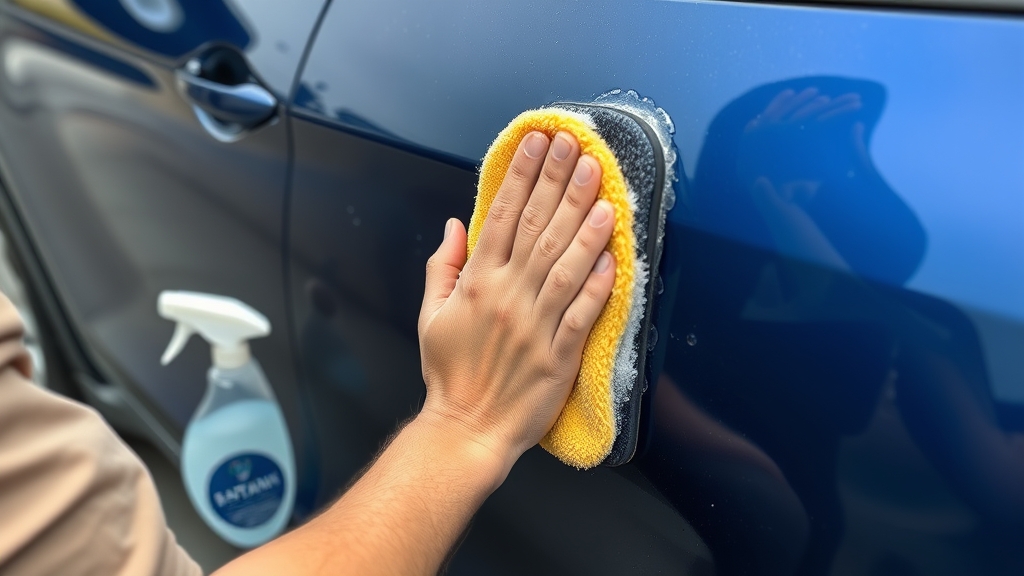
After claying, consider applying a quality paint sealant or ceramic coating kit for beginner protection, or explore paint correction if light swirls or marring are present.
Advanced Analysis & Common Pitfalls
Let’s break down the most common problems, trade-offs, and mistakes users encounter with clay bars, mitts, and towels—and how to avoid them:
| Tool Type | Precision | Speed | Safety Risks | Cost/Use | Durability | Severe Complaint |
|---|---|---|---|---|---|---|
| Traditional Clay Bar | Best (spot cleaning, tight areas) | Slowest | Catastrophic marring if dropped | $2–$4 | 1–2 vehicles per bar | Hand fatigue, wasted bar if dropped |
| Clay Bar Alternative Mitt | Good (less in corners) | Fastest | Micro-marring if pressure/lube insufficient | $0.60–$1.20 | 30–50 vehicles | Missed spots, lack of feel |
| Clay Towel for Cars | Good (slightly less precise than mitt for curves) | Very Fast | Slightly more abrasive, needs careful technique | $0.60–$1.20 | 30–50 vehicles | Fine scratches, occasional marring |
- Dropping a clay bar ruins it instantly—even one grain of grit gets lodged in the bar and will scratch paint deeply on next use. If a mitt or towel hits the ground, thoroughly rinse it before returning to work.
- Technique matters: Excessive pressure, skipping lube, or rushing can result in fine micro-scratches—especially with towels. Always use a high-lubricity wash and don’t rush panel inspection.
- Missed spots: Expect to go back over corners and edges with the bar, or wrap a tight small microfiber for those areas when finishing with a mitt/towel.
- Cost-per-use: Mitts and towels win by a wide margin in cost and waste—single-use clay bars head straight to the trash, while alternative mitts/towels last for dozens of cycles. For eco-conscious users, this is a major plus.
For an in-depth look at paint prep and swirl removal, check our paint correction guide. If you want more internal testing on clay mitt performance, see the comparison at Detailed Image.
Conclusion
If you’re a weekend detailer or maintain multiple cars, using a clay bar alternative mitt or clay towel for cars offers unbeatable speed, comfort, and lifetime cost. For spot perfectionists or tackling neglected paint, keep a traditional bar on hand for the worst cases and tight crevices. Whichever you choose, remember technique and inspection matter more than product hype. Try both methods to find your best balance between speed, safety, and cost—your paint will show you the results.
Ready to take your next step? Check out our definitive guide to the best alternative clay mitts and towels for expert picks in 2024.
FAQ: Clay Bar Alternative Mitts & Towels
Can a clay bar alternative mitt really replace a traditional clay bar?
For routine maintenance and light to moderate contamination, yes—a mitt or towel works in less time, lasts much longer, and saves money. For deep iron fallout, water-spots, or neglected paint, a classic clay bar still provides maximum spot-cleaning power.
How do I avoid scratching or marring with a clay towel or mitt?
Always use abundant lubricant, apply minimal pressure, and clean your mitt/towel after every panel. Lubrication is vital—when in doubt, add more. For especially sensitive paint, inspect sections under strong lighting as you go.
What is the cost difference per vehicle between a clay mitt/towel and a clay bar?
Most quality mitts or towels cost $30–$70 and last for 30–50 vehicles, so you’re paying roughly $0.60–$1.20 per use. Traditional clay bars are $2–$4 per car because they are usually thrown away after 1–2 uses.
How do I clean and care for a clay mitt or towel?
Rinse with clean water after each use and gently wipe the polymer side with your hand. Store flat or hanging, away from sunlight and heat. Never let the mitt/towel dry out while contaminated.
When is a traditional clay bar still preferable?
When you need absolute precision, are spot-cleaning tough areas, or working on a surface with heavy bonded fallout or water spots, a traditional clay bar still provides the best results and reach.