

clay bar alternative mitt options are changing the way DIY car owners and detailers tackle paint decontamination. In 2024, synthetic mitts and towels challenge the classic clay bar by delivering speed, reusability, and real-world savings, but are they as safe and effective? This actionable guide breaks down what you must know to choose wisely, work faster, and protect your finish.
Key Takeaways
- Synthetic clay mitts and towels deliver faster results, can be reused on many vehicles, and often lower cost per use than traditional clay bars.
- They can save substantial time, but risks like surface marring and reduced tactile feedback make careful technique and proper lubricant essential.
- Choosing the right product and maintaining it properly extends life and keeps your vehicle’s paint safer.
- Market snapshot — why synthetic “clay” mitts and towels matter in 2024
- Step-by-step best practice: how to use a clay mitt/towel safely and effectively
- Advanced analysis & common pitfalls
- Conclusion
- FAQ
Market snapshot — why synthetic “clay” mitts and towels matter in 2024
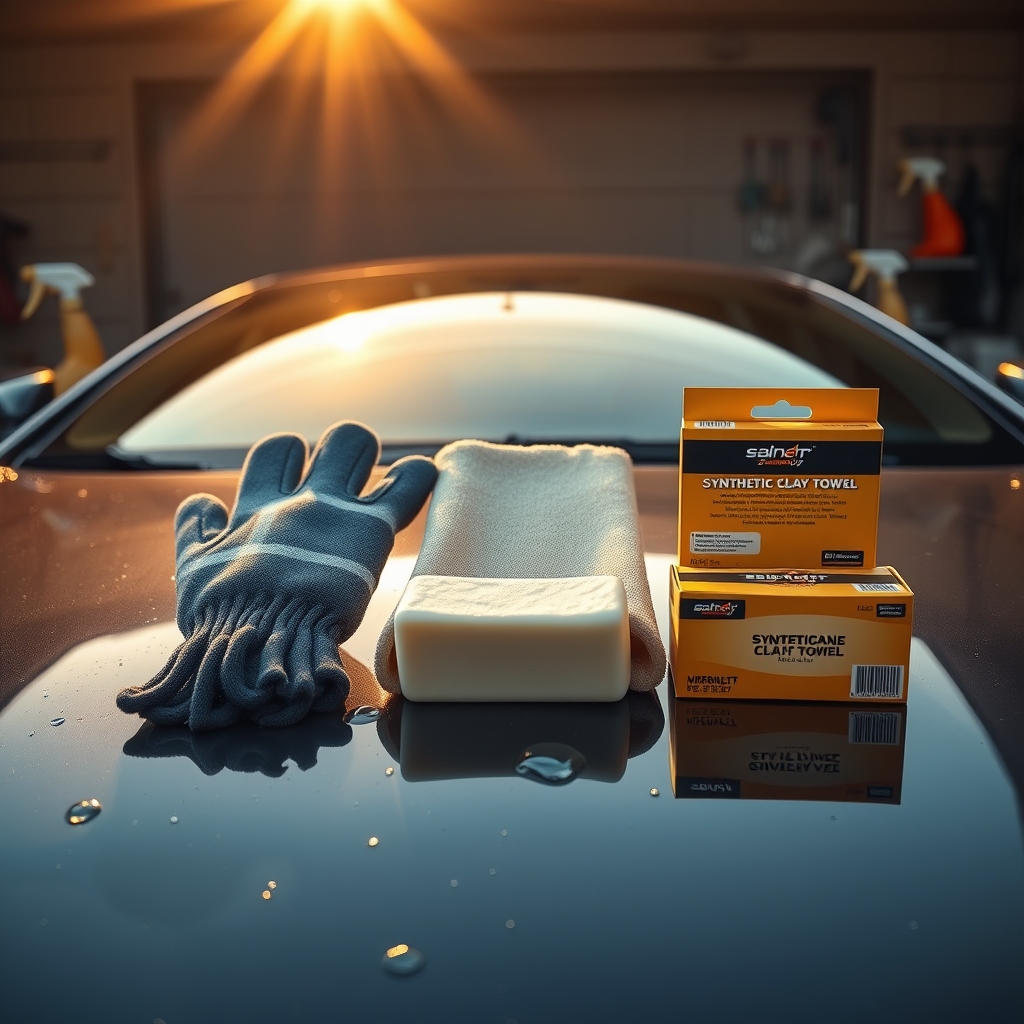
In 2024, the synthetic-clay segment—including clay bar alternative mitts and towels—has grown fast. Analysts estimate a $150 million global market with about 8% annual growth through 2029. The reasons? DIYers and pro shops alike want speed, less hand fatigue, less waste, and more value. A clay bar alternative mitt or towel allows you to treat an entire car’s paintwork in less than half the time, leveraging a much larger surface area and the ability to rinse and reuse. Unlike a traditional clay bar—which is usually thrown away after a couple of uses—these tools can often treat 30 to 40 vehicles before needing replacement. This shift delivers cost-per-vehicle savings, less environmental waste, and flexibility to use affordable lubricants like standard car soap in water instead of pricey dedicated clay lubes. At the same time, users must weigh quality, performance, and safety trade-offs: not all synthetic media is equal and performance can vary widely.
Step-by-step best practice: how to use a clay mitt/towel safely and effectively
Using a clay bar alternative mitt or clay towels for cars is simple, but to minimize marring or swirl risk, method matters. Here’s a proven workflow that works with products like the G3 Pro Mitt and synthetic towels:
- Pre-wash the car thoroughly. Remove as much loose dirt and grit as possible with a high-quality foam cannon or hand wash.
- Choose your lubricant. Soap-and-water solutions are acceptable for most mitts and towels. If working on delicate or soft clear coats, consider a dedicated clay lubricant for extra safety.
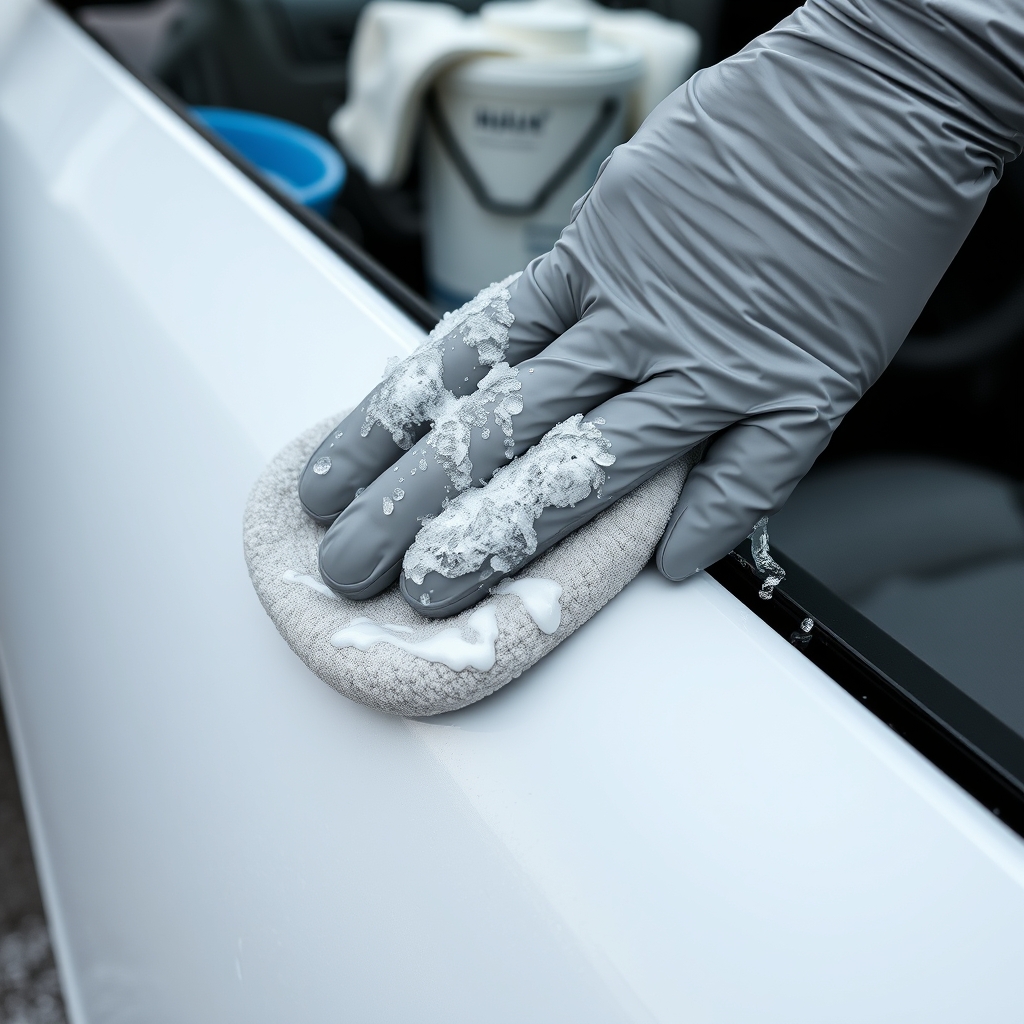
- Work one panel at a time. Keep the surface well-lubricated at all times, reapplying soap or clay lube liberally.
- Use light, even pressure. Glide the mitt or towel in straight-line motions—avoid circles. Start with minimal pressure and increase only if needed, especially on stubborn contamination.
- Flip and rinse frequently. Rinse the mitt/towel in clean water after every small section to release embedded contaminants. Use both sides if your mitt or towel allows.
- Assess progress regularly. After a few passes, wipe off the lubricant and feel the panel. If still rough, repeat lightly. Stop if you notice any visible marring or haziness.
- After decontamination, inspect for marring. If needed, follow up with a light polish to restore gloss before any wax, sealant, or ceramic coating application.
- Rinse and clean the mitt/towel immediately after use to prolong life and prevent grit buildup.
If you plan to add a ceramic coating kit for beginners or advanced sealant after, proper decontamination ensures maximum product bonding. Clay towels and mitts can prep quickly for these jobs but inspect your work before moving on.
Advanced analysis & common pitfalls
Synthetic mitts and towels aren’t a silver bullet. They offer major speed advantages, but several real-world issues show up time and again in lab tests, owner forums, and expert reviews:
- Reduced tactile feedback: Compared to classic clay bars, synthetic mitts/towels make it harder to feel when contamination is fully removed. This means inexperienced users may overwork or underwork panels (Hagerty Test).
- Risk of marring or swirl marks: Most reported with mitts used on delicate clear coats or heavily contaminated areas. Excess pressure or poor lubricant selection increases risk (Reddit user feedback).
- Poor performance in tight spots: Bulkier mitts cannot clean effectively around tight edges, door handles, or trim; classic clay bars still do better here (Detailed Image).
- Product degradation before expected lifespan: Some users report synthetic surfaces tearing, losing effectiveness, or clogging with debris after fewer than the advertised 30 to 40 vehicles.
- Price and value mismatches: While cost-per-vehicle is usually lower, upfront cost can be double or triple a basic clay bar, sometimes with no warranty.
| Feature | Clay Bar | Clay Bar Alternative Mitt | Clay Towel for Cars |
|---|---|---|---|
| Typical Use Speed | Slowest | Faster (large panels) | Fastest |
| Abrasiveness | Highest | Medium | Medium |
| Panel Coverage | Small | Large | Very Large |
| Tactile Feedback | Best | Reduced | Reduced |
| Tight Spot Access | Excellent | Poor | Poor |
| Reusability | None / very limited | 30-40 cars if maintained | 30-40 cars if maintained |
| Cost-per-vehicle | High | Low | Lowest |
For pro-level shine, even after claying, you should consider a DIY paint correction kit or paint decontamination clay bar for truly neglected or swirled cars.
Conclusion
Synthetic clay mitts and towels are revolutionizing the market for car paint decontamination. They offer fast, reusable solutions—saving time and money versus clay bars. However, they’re not perfect. Reduced feedback, surface marring risk, and durability limits require attention to technique and maintenance. For routine cleaning of large panels or to speed up your workflow, a clay bar alternative mitt is a top choice. For spot treatments or extremely delicate work, old-school clay may still have the edge. Want lasting results? Combine proper decon with the right graphene coating spray or car paint sealant to keep that finish protected. Try a mitt this season and see the difference yourself!
Take action now—choose the best clay bar alternative mitt for your needs and apply the safe workflow above to enjoy faster, more effective detailing with results you can trust.
FAQ
Can I use regular car soap instead of clay lube with a clay bar alternative mitt?
Yes! Recent tests and manufacturer guidance show that many clay mitts and clay towels for cars work safely with a soap-and-water solution. Just be sure the surface stays slick and wet at all times to reduce risk of marring.
How do I know when to replace my clay mitt or towel?
Look for visible shredding, rough patches, or if it won’t rinse clean. If you notice increased marring or embedded grit that won’t come out, it’s likely time for a new one.
Can a mitt or towel replace a clay bar for polishing prep?
For most routine decontamination, yes—but for deep prepping before machine polishing or on fragile paint, many detailers still prefer traditional clay for its superior feedback and targeted cleaning.
What’s the difference between a mitt and a clay towel for cars?
Both use synthetic “clay” surfaces bonded to a backing, but mitts are worn like a glove, often covering more area and reducing hand fatigue. Towels are floppy sheets, which can help reach tricky curves, but may be harder to control on large flat panels.
How can I minimize marring when using a clay bar alternative mitt?
Always use loads of lubricant, the lightest pressure that gets results, rinse often, use straight-line motions, and inspect each panel as you go. If you see marring, stop and evaluate. Routine follow-up with a good polish keeps your shine showroom-quality.