

Graphene coating spray has exploded in popularity among DIY car enthusiasts, but real-world results often diverge from the bold marketing claims. If you’re a weekend detailer wondering what actually works and how to get legitimate long-term protection—especially on black or dark paint—this buyer’s and application guide is for you.
Key Takeaways
- Weigh real hydrophobic performance, not just gloss or advertising, when choosing a graphene coating spray.
- Streaks, high spots, and premature loss of protection are common—especially with imperfect prep or on black cars.
- Expect to reapply once a year for best results, even though some brands claim “multi-year” durability.
- Market snapshot — demand, growth and what that means for buyers
- What graphene spray coatings actually are — formulation and realistic claims
- Top user complaints and negative review themes (what goes wrong and why)
- Hydrophobic performance — graphene vs ceramic
- Protection comparison — scratch resistance, UV resistance and longevity
- Real‑world durability timeline — lab claims vs what users see
- Cost comparison — upfront price and cost‑per‑year vs ceramic and wax
- Application best practices — step‑by‑step to avoid common failures
- Special guidance for black and dark cars — preventing swirls, holograms and high spots
- Maintenance protocol and test routines to verify longevity
- What top-ranking articles miss — unique, research‑backed points to include
- Best graphene spray coatings in 2024 — top picks, pros/cons and USPs
- Quick buyer’s checklist and final recommendation
- FAQ
Market snapshot — demand, growth and what that means for buyers
The DIY graphene coating spray segment surged in 2023 and 2024, with a reported 23.5% compound annual growth rate. It now occupies a multi-hundred-million-dollar part of the paint protection market. This expansion has brought more brands and “graphene” options to online retailers but also introduced greater variability in quality, formulation, and support. For buyers, that means more choices, yes—but also more “all sizzle, no steak” products to sort through.
What graphene spray coatings actually are — formulation and realistic claims
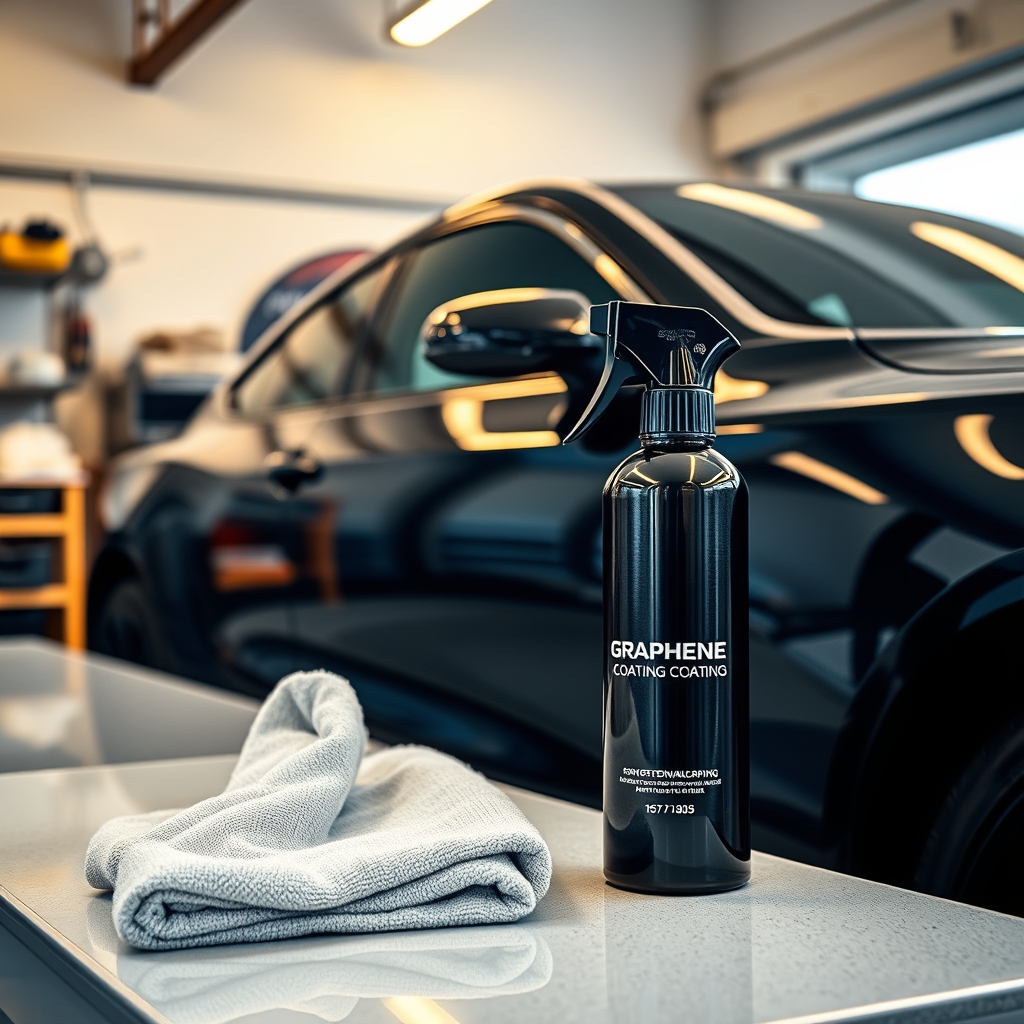
Most DIY graphene coating sprays blend graphene oxide or reduced graphene nanoparticles with SiO2 (the main active ingredient in ceramic sprays). True professional graphene coatings are rare and require special skills. The “spray-on sealants” you’ll find at stores and online are designed for speed and accessibility. Manufacturers market them as “super hydrophobic, high-gloss, and durable,” but independent graphene car coating reviews reveal that most benefits, especially longevity, are best measured by real-world DIYers, not lab-only results.
Common product types include one-step “graphene ceramic spray” kits like the “Super Hydrophobic High-Gloss Graphene Coating,” and all-in-one wipes or foam applicators. These are advertised for easy, fast use but often oversell the “years of protection” angle.
It’s smart to approach with skepticism: Most real-world users reapply once a year, not every several years as some labels claim. Water beading and gloss fade faster with frequent washing or winter exposure.
- Benefit: Slightly easier to buff than most ceramics and generally more forgiving for new users.
- Drawback: More vulnerable to streaking or uneven gloss when surface prep or buffing isn’t perfect.
Top user complaints and negative review themes (what goes wrong and why)
Real-user feedback for graphene detailing spray durability and finish is mixed. Analysis of hundreds of online reviews uncovers some recurring themes:
- Streaks and high-spotting: Usually due to uneven spray, lack of surface prep, or poor buffing—this is especially obvious on black cars.
- Uneven gloss: Missed buffing or product overload is a top culprit (a common complaint with graphene hydrophobic spray car reviews).
- Shorter water-beading/gloss lifespan: Most DIY users see water repellency fading at 3 to 6 months, despite bold “multi-year” claims.
- Yearly reapplication: To maintain looks and water repellency, most end up reapplying annually, not “every few years.”
Market data suggests that poor surface prep is the #1 reason for early hydrophobic failure, especially for those switching from traditional waxes, where detail tolerance is more forgiving.
Comparison Table — Graphene vs Ceramic vs Wax (DIY Sprays)
| Attribute | Graphene Coating Spray | Ceramic Coating Spray | Traditional Wax |
|---|---|---|---|
| Hydrophobic Effect | Very strong, fast beading | Strong, slower bead roll-off | Good but fades quickly |
| Scratch Resistance | Moderate (slightly higher than ceramic spray) | Moderate | Minimal |
| UV Protection | High; less yellowing | High | Low-medium |
| Chemical Resistance | Moderate | High | Low |
| Gloss (on black paint) | High, but prone to high spots/streaks with poor prep | Very high | Moderate |
| Typical Durability (DIY) | 3-6 months before recoat (annual recommended) | 6-12 months (annual possible) | 1-3 months |
| DIY Application Time | < 60 minutes | < 60 minutes | ~45 minutes |
| Cost Per Year (avg/vehicle) | $30 – $50 | $35 – $60 | $10 – $20 |
Hydrophobic performance — graphene vs ceramic
Hydrophobic beads—how fast water “runs off” the paint—are a major selling point for both coatings. In practice, graphene sprays generally form smaller, faster-beading droplets compared to most ceramic coatings, making them easier to wash and dry. Research shows this stronger hydrophobic performance is maintained for a few months on daily drivers, but heavy car wash use or harsh weather shortens this effect.
For dark cars, any leftover streaks or high spots are far more obvious, so careful buffing is vital (see below for best application protocol).
Protection comparison — scratch resistance, UV resistance and longevity
Attribute-by-attribute, graphene’s biggest upgrade is tensile strength—marginally improving scratch resistance on hazy/micro-marr prone paints. It matches ceramics in UV protection (with less tendency to yellow), but slightly lags on chemical resistance compared to established SiO2 ceramics. For more, read our guide on graphene coating vs ceramic coating.
Many experienced DIYers agree: graphene coatings protect well but require more regular washing and maintenance to keep their edge, especially on dark or black cars.
Real‑world durability timeline — lab claims vs what users see
Some brands claim “five years of protection” with a single graphene detailing spray application. The independent data, however, plus aggregated owner reviews, show that beading and visible gloss often fade in 3-6 months—especially after multiple aggressive washes, exposure to salt, or improper prep. See our detailed review on this topic. Most DIYers report reapplying about once a year, which typically means around $30–$50 per year per car in product cost for best graphene spray coating options.
Cost comparison — upfront price and cost‑per‑year vs ceramic and wax
Popular graphene coating sprays currently cost $15–$45 per 16oz bottle. Most cars use 1–2oz per complete application. Expect similar pricing for leading ceramic sprays. Wax is cheaper up front ($10–$20/year) but lasts far less. Graphene’s real-world cost-per-year is about $30–$50 if applied annually, which makes it competitive with ceramic sprays but pricier than wax per year. If your main goal is cost-effective paint protection with maximum gloss, annual graphene spray reapplication is a smart middle ground between wax and “pro” ceramics (which cost several hundred dollars plus labor).
Looking for value? Read our best graphene spray coating picks for each budget and finish goal.
Application best practices — step-by-step to avoid common failures
Proper prep is non-negotiable. Cutting corners here leads to most of the “it streaked, it spotted, it faded” complaints seen in graphene car coating reviews.
- Wash and decontaminate your car with a proper pH-neutral shampoo.
- Clay bar the surface to remove bonded contaminants.
- Perform an isopropyl alcohol (IPA) wipe-down to remove oils.
- Work in a shaded, cool area (avoid direct sun above 75F/24C).
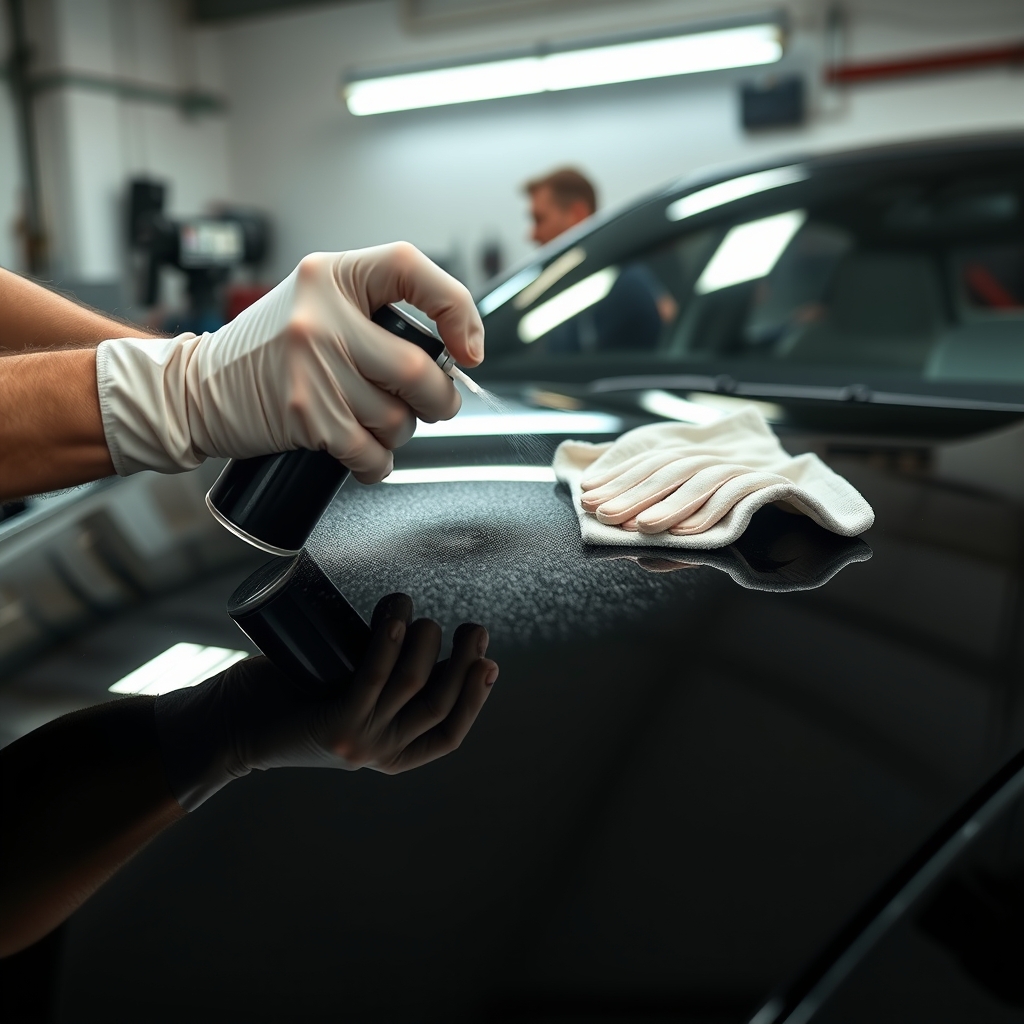
- Spray one panel at a time, using the recommended distance and 1–2 mists per 2×2-foot square.
- Buff immediately (within 30–60 seconds) using a clean, high-pile microfiber towel—move gently and use a second towel if streaks appear.
- For best curing, avoid water for 4–6 hours after application—even longer if humid or cold.
Graphene sprays have a slightly wider buffing window than ceramics, but prep is still critical.
Underscore: Even though graphene is forgiving during buffing, shortcuts in cleaning, clay, or IPA wipe-down are the main reason for failure in both gloss and water-beading.
For more, see our list of best spray paint protection methods for all paint types.
Special guidance for black and dark cars — preventing swirls, holograms and high spots
Black and dark paints magnify every imperfection. Here’s what you must do:
- Lighting: Use strong, diffuse inspection lights during and after buffing to catch streaks and high spots.
- Microfiber technique: Use only soft, edgeless, high-pile towels. Change out towels frequently—dark paint picks up dust and lint easily.
- Paint correction: If your paint isn’t swirl-free, perform a single-stage polish before graphene application—this is a must for black cars (learn more in our graphene coating for black cars guide).
- Dilution/layering: For black cars, apply one thin layer, wait a week, then optionally add a second thin coat for uniformity. This reduces high spots and improves depth.
Never rush: mistakes in prep or buffing on black paint are twice as obvious. If possible, practice on a less conspicuous panel first.
Maintenance protocol and test routines to verify longevity
Want that “just applied” beading and gloss? Stick to a basic, repeatable schedule:
- Wash only with pH-neutral car shampoos—avoid strong degreasers or dish soap.
- Use plush microfiber towels to dry; avoid “rubbing” which can cause swirls.
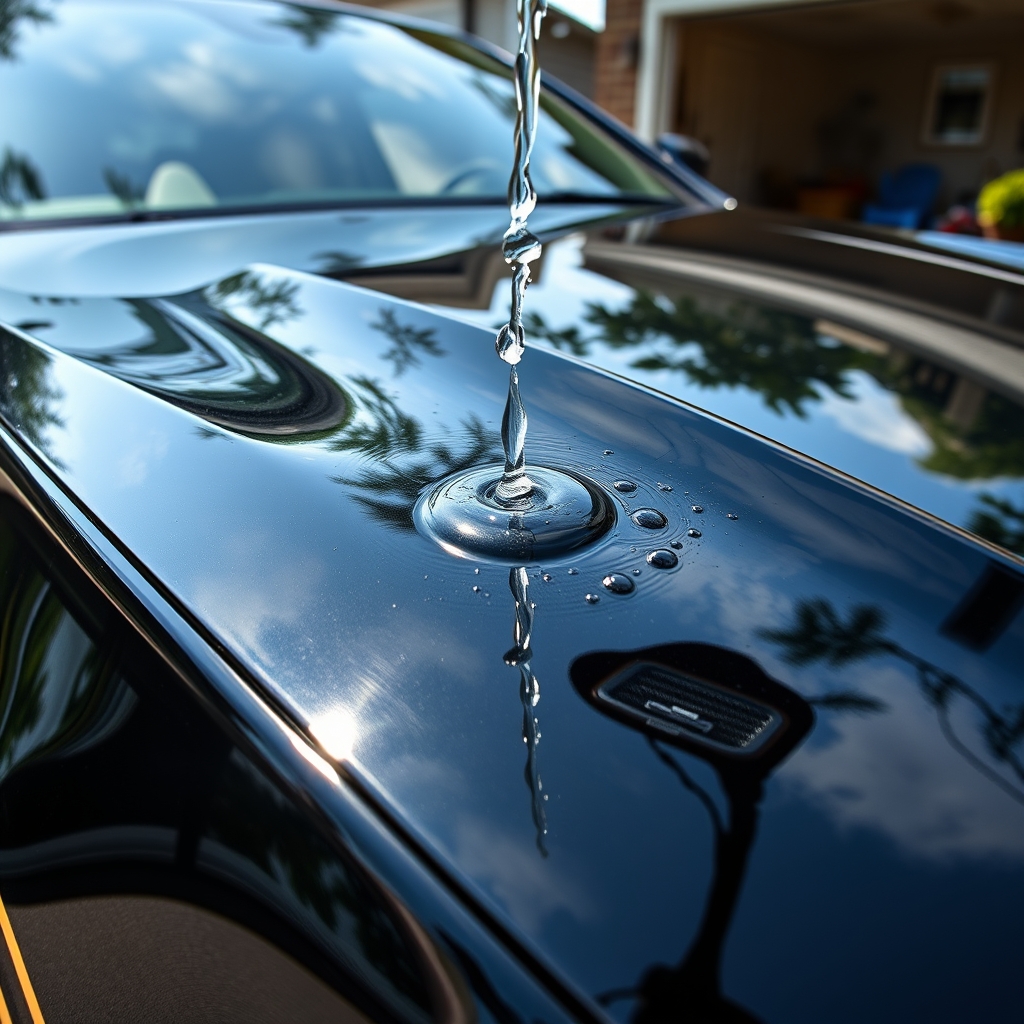
- Test hydrophobicity every month by pouring water onto a cleaned panel—tight, tall beads mean it’s working. Flat or slow water “sheeting” means time to reapply.
- Most products can be completely reapplied to an average sedan in 30–60 minutes—set a calendar reminder for “anniversary recoating.”
Annual reapplication keeps the finish sharp and is realistically what most DIYers choose for true graphene detailing spray durability.
What top-ranking articles miss — unique, research‑backed points to include
- Real durability is 3–6 months in typical use, not several years—plan for annual reapplication.
- Black car application requires more precision and specialized microfiber tools to avoid high spots and uneven gloss.
- Comparative chemical resistance: ceramics edge out graphene spray coatings in chemical protection but require more intensive prep.
- Quantitative maintenance schedule: monthly hydrophobic test, annual recoat, gentle pH-neutral washes for best performance.
- It’s easy to spend more for “premium graphene” but pay mainly for marketing—focus on user-reviewed performance instead.
See more in our graphene coating vs ceramic coating explainer.
Best graphene spray coatings in 2024 — top picks, pros/cons and USPs
Based on user reviews, independent testing, and feature comparisons:
- Super Hydrophobic High-Gloss Graphene Coating — High initial gloss, exceptionally slick, forgiving to apply, but requires yearly reapplication for daily drivers. $35–$45.
- Best for: DIYers who want a “wow” factor on wash day and easy application (see full graphene car coating review).
- Graphene Ceramic Spray Kit — Affordable, includes towels and foam, solid all-round protection, easy for first-timers. $25–$35.
- Best for: Budget-focused DIYers wanting a basic graphene spray coating set.
- Graphene Ceramic Spray Coating Advanced — Praised for minimal streaking, excellent hydrophobicity, and user-friendly buffing. $35–$50.
- Best for: Owners who value low-risk application and are willing to recoat annually.
For a value comparison, see our updated best graphene spray coating round-up for full pros and cons.
Quick buyer’s checklist and final recommendation
Use this quick decision tree to choose your best fit:
- Want max gloss and easy DIY application—willing to reapply yearly? Choose a reputable graphene coating spray.
- Need longer durability and stronger chemical resistance—willing to spend more and prep more? Consider a ceramic coating or a pro install here.
- Car is black or very dark? Invest extra time in prep and choose a two-layer graphene application with premium microfiber towels.
- Worried about streaks? Practice your technique on an inconspicuous spot before coating the whole vehicle.
Bottom line: For most enthusiasts, graphene sprays are easier and less expensive to apply than pro-grade ceramic coatings but do require yearly reapplication for best looks and repellency. Be realistic about expectations, prioritize prep, and pick proven brands. If the focus keyword graphene coating spray is on your shopping list, choose informed—not hyped.
Ready to try it yourself? Shop our current best graphene spray coating picks or check out our in-depth graphene coating vs ceramic coating comparison guide.
FAQ
How long does a graphene coating spray last on a daily driver?
In real-world use, you can expect about 3 to 6 months of peak gloss and water-beading before performance starts to fade, even though some brands claim multiple years. Annual reapplication is recommended for best results.
Can you apply graphene spray over old wax or sealant?
No, for best results, remove all previous protection with an IPA wipe and/or paint cleaner before applying graphene spray. Old wax or sealant can cause streaking and prevent proper bonding.
Is graphene coating spray safe for all paint colors and finishes?
Yes, but black and dark paints amplify any mistakes—be especially careful with prep, buffing technique, and lighting. Always spot test on an inconspicuous area.
How do I test if the graphene coating is still working?
After washing, pour water on the panel. If it beads up and runs off quickly, your coating is still working. Flat or slow water movement means it’s time to reapply.
Ceramic coating vs graphene coating—what’s the biggest difference?
Graphene coating sprays are generally easier and faster to apply for DIYers, while ceramic coatings (especially pro-grade) offer slightly better long-term chemical resistance and proven multi-year track records but cost more and require advanced prep.