

Interior car steam cleaner demand has skyrocketed, but most buying guides fail to separate real results from overhyped marketing. Want to bust germs, eliminate stains, and avoid costly upholstery damage? This proven guide shows exactly what to look for (or avoid) when using or shopping for an interior car steam cleaner in 2024.
Key Takeaways
- Most consumer steam cleaners for car upholstery miss the mark on true sanitization—look for 212°F steam and 30–45 psi pressure as a baseline, not marketing hype.
- Poor attachments, low tank volume, and skipping spot tests are responsible for common upholstery cleaning failures and even interior damage.
- Certifications, safety features, and independent test lab results matter more than “brand” or influencer claims—refer to recalls and expert reviews before you buy.
- Market demand and why steam cleaners for upholstery matter in 2024–25
- The single clear reason many consumer steamers fail upholstery jobs (unique insight)
- Most frequent user complaints and real pain points after cleaning upholstery
- Certifications and safety/eco labels that matter in 2024
- Critical technical specifications to demand (practical spec checklist)
- Price ranges — consumer vs. professional grade and what drives cost
- Independent tests and efficacy on different upholstery materials
- Safety risks, potential long‑term damage, and manufacturer precautions
- Maintenance, attachments, and workflow for best upholstery results
- Buying checklist and quick decision matrix (consumer vs. pro)
- Three important sub‑topics competitors often miss
- Final recommendations and call to action for readers
- FAQ Section
Market demand and why steam cleaners for upholstery matter in 2024–25
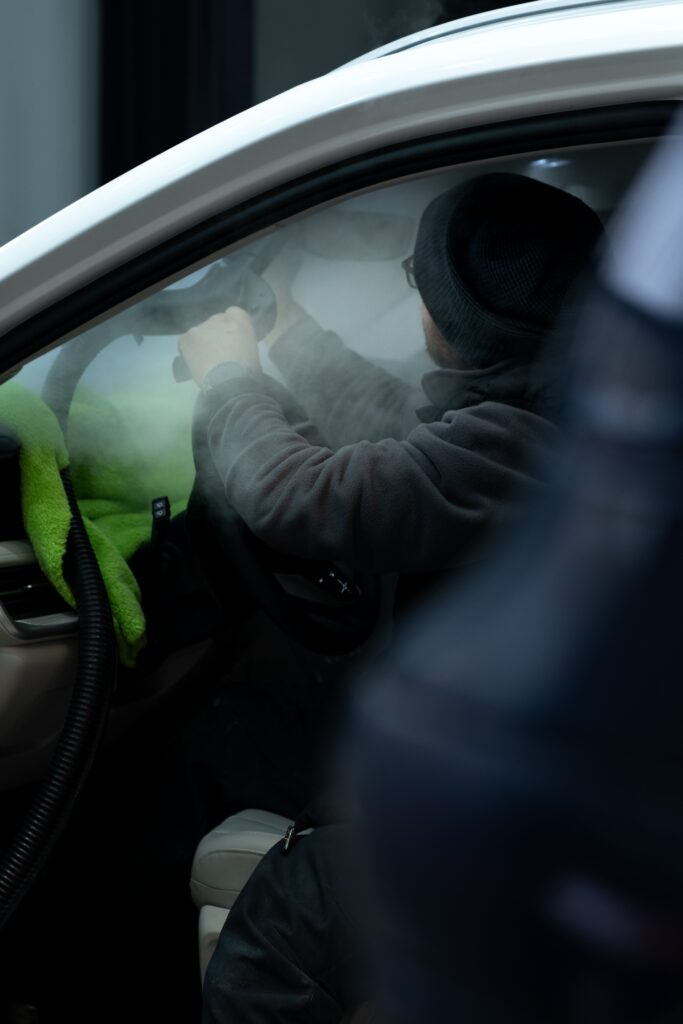
Steam cleaning car interiors—especially upholstery—moved mainstream in 2024, driven by concerns about germs, pet messes, and a desire for chemical-free cleaning. In the U.S. alone, over 2.9 million handheld pressurized steam cleaner units were sold in 2024, and that figure is projected to hit 3.2 million in 2025, according to industry data. The broader automotive interior cleaner market reached approximately $3.8 billion in 2025 and could hit $6.2 billion by 2033 (CAGR ~7%). Pet owners, rideshare drivers, and families are seeking safer, deeper upholstery cleaning than vacuums or wipes. Upholstery—constantly exposed to skin, food, and animal fur—is now a priortized cleaning focus.
The single clear reason many consumer steamers fail upholstery jobs (unique insight)
Most car steam cleaner for upholstery models underperform on three fronts: they do not reach sufficient steam temperature for sanitization, produce too little pressure, and lack proper attachments for automotive fabrics. Despite slick marketing, many “powerful” handheld steamers top out at 148°F—far below the 212°F needed to reliably kill bacteria or loosen oils from seat fabrics. Pressure output is often unspecified; effective cleaning needs at least 30–45 psi. Lastly, brands bundle generic plastic tools that cannot agitate dirt or suction up moisture, making stain removal a struggle. Always verify steam temperature, pressure, and that you’re getting rigid upholstery brush (not floppy) upholstery tools before investing in a car steam cleaner for upholstery.
Most frequent user complaints and real pain points after cleaning upholstery
Hundreds of real-world reviews flag recurring pain points with popular interior car steam cleaner models:
- Insufficient steam temperatures (~148°F) mean poor sanitization and weak stain removal
- Small tanks (often <0.5L) require annoying frequent refilling mid-job
- Flimsy or ill-designed upholstery heads flex away from surfaces
- Units can over-wet upholstery and cause moisture damage—especially if users skip manufacturer-recommended spot tests
- Deep-set stains stay visible unless steam is combined with agitation or chemical/enzyme cleaners
More concerning, skipping spot tests has resulted in ruined leather trim, stains that won’t come out, and even electronic malfunctions when excess moisture seeps into seat controls. (See Bissell Steam Shot recall July 2024)
Certifications and safety/eco labels that matter in 2024
Any car steam cleaner for upholstery you buy should have at least UL (U.S.) or CE (Europe) electrical safety marks. Professional grade units targeting infection-control use in clinics or hotels tout sanitation validation—meaning they’re tested for actual germ removal, not just heat output. Eco-labels now validate energy and water efficiency, especially on European-made models. Without recognized certifications, safety and cleaning claims are far riskier.
- UL/CE: Electrical and operational safety
- Eco labels: Lower energy and water use
- Sanitation validation: For pro units only—prove they meet healthcare standards
On the business side, leaders like Daimer partner with U.S. detailing franchises to bundle certified pro steamers and service contracts, highlighting the industry’s push for proven, compliant cleaning technology. (Source)
Critical technical specifications to demand (practical spec checklist)
Don’t rely on promises—demand the following for real interior car steam cleaner performance:
- Minimum steam temperature: 212°F (100°C)(germicidal standard)
- Pressure output: 30–45 psi or higher
- Power rating: 1000W or more
- Tank capacity: ≥0.5L (ideally more for fewer refills)
- Heat-up time: Under 3–4 minutes
- Steam moisture content: Under 5% (prevents over-wetting/electronic damage)
- Boiler construction: Stainless steel (durability, safety)
- Safety features: Auto-shutoff on low water/overheat
- Useful attachments: Rigid upholstery brush, crevice tool, microfiber pads, and nozzle for fabrics
More advanced users can check if the unit is compatible with professional infection control compliance (especially if you are a business or want B2B resale value).
Price ranges — consumer vs. professional grade and what drives cost
Interior car steam cleaner prices fall into two main bands:
| Type | Typical Price | Key Features | Who it’s best for |
|---|---|---|---|
| Consumer (Handheld/Basic) | $60–$200 | Plastic build, 8–15 mins runtime, basic attachments, <212°F heat, refills often required | DIYers, Light pet/food stains, Occasional use |
| Prosumer (Cart/Canister) | $250–$600 | Stainless tank, up to 212°F+, larger capacity, more pressure and attachments | Frequent users, Large families, Rideshare drivers, Serious hobbyists |
| Professional Detailing | $800–$1,700+ | Certified, high-pressure, 212–330°F, infection-control/eco validation, dedicated upholstery tools, service contracts | Auto detailers, Mobile pros, Small business, Healthcare/Hospitality clients |
Pro models command higher prices for real performance, build quality, and post-sale support. Consumer units may be “cheaper” upfront but often cost more long-term in replacements or repairs.
Independent tests and efficacy on different upholstery materials
No two interior car steam cleaner models are created equal. Reviews by experts at Car and Driver and Road & Track confirm wide variance in actual cleaning, safety, and stain removal. Some low-end units produced steam too cold to sanitize, while others risked burns or electronic damage if used carelessly—one leading to a major Bissell Steam Shot recall in July 2024 due to burn hazards. Tests show that while top models effectively freshen and lift mild stains from both fabric and leather, deeply set stains or odors still require pre-treatment with enzymatic or extraction cleaners plus agitation—a steamer alone rarely does it all.
Always reference test-lab results, not just “Amazon Best Seller” badges, when choosing. See our deep guide on best steam cleaner for car interior for full review findings.
Safety risks, potential long‑term damage, and manufacturer precautions
While steamers are broadly safe for automotive upholstery, improper use leads to predictable (and costly) issues:
- Over-wetting: Excess moisture can soak seat foam, ruin electronic seat controls, or trigger mildew. Always use low-moisture modes and keep distance from electronics or airbags.
- Heat damage: Some materials (Alcantara, vinyl, painted trim) warp, discolor, or lift when heated above safe thresholds. Always spot-test in a hidden area first.
- User injury: Steam burns are real—hold the tool tip away from skin, especially when changing heads.
- Recall risks: The Bissell Steam Shot recall shows that even big-name products can pose hazards—always check safety history.
Follow manufacturer guides, keep electronics dry, and never skip spot-tests—especially with unfamiliar car finishes or trim.
Maintenance, attachments, and workflow for best upholstery results
Successful upholstery cleaning goes beyond just owning the right machine. Here’s the proven workflow:
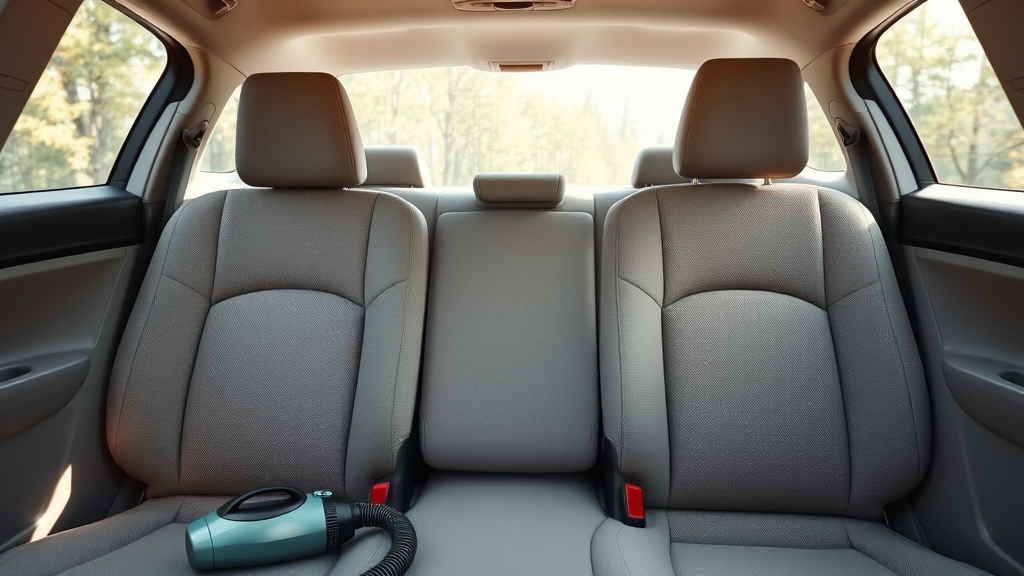
- Vacuum all surfaces thoroughly—steam lifts dirt but doesn’t extract grit, so start with a powerful car detailing vacuum cleaner.
- Spot-test steamer in a hidden corner.
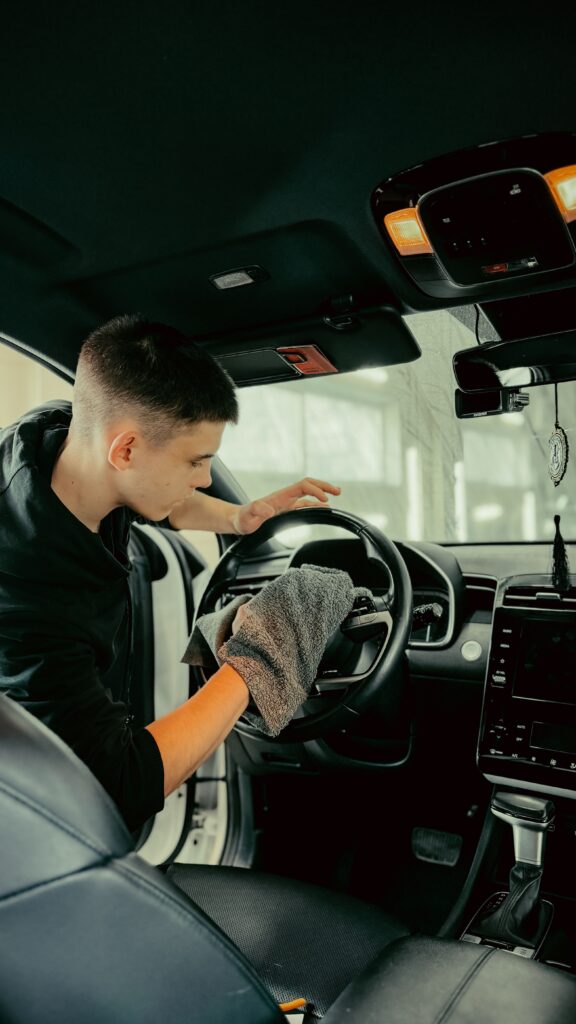
- Use the rigid upholstery brush attachment for seats, and microfiber pads for delicate trim or leather. Avoid floppy “triangle” heads—they spread, not agitate.
- For deep crevices, swap in a narrow crevice nozzle.
- Immediately after steaming, towel off all wet surfaces or follow with airflow/vacuum extraction to prevent mildew.
- Empty and rinse tank between jobs, and periodically descale the boiler if using hard water.
User reviews prove that attachment rigidity and tank size (≥0.5L) directly impact cleaning experience—invest accordingly.
Buying checklist and quick decision matrix (consumer vs. pro)
Confused by specs? Use this direct checklist before you buy any interior car steam cleaner:
- Must-haves: 212°F+ steam, 30–45 psi, ≥1000W, ≥0.5L tank, stainless boiler, auto-shutoff, rigid upholstery brush, crevice tool, microfiber pads
- Red flags: No safety certification, ambiguous pressure specs, plastic boiler, floppy heads, “mystery” eco claims
- Price check: Don’t pay “pro” prices for consumer performance—refer to the comparison table above
- Use case: If you detail cars for pay, choose a pro/service bundle—see why Daimer pro units dominate B2B sales here
- For occasional DIY, solid consumer units exist—just ensure they pass the minimum spec thresholds listed above
View our fully-vetted list of the best interior car steam cleaner models and our latest field comparison of handheld car steam cleaners for upholstery for 2024.
Three important sub‑topics competitors often miss
- Moisture content matters, not just temperature:
Most car steam cleaner for upholstery units tout high steam temps but rarely share actual water content. Low-moisture (<5%) steam is much safer for car electronics and sensitive materials—demand this data. - Combining steam with extraction or specialty cleaners:
Lab tests and pro detailers confirm that deep-set stains often require enzyme pre-treatments or vacuum extraction alongside steam. Don’t assume any steamer is a magic eraser. - Lifecycle cost is more than sticker price:
Factor in replacement heads, pads, and service contracts for pro units. “Cheap” consumer models with poor durability can cost more in yearly replacements versus a well-supported pro unit. See industry B2B trends here.
For paint and trim protection after a full deep clean, see our expert ceramic coating kit for beginners comparison, or reinforce seat defense with top-rated car seat cover upgrades.
Final recommendations and call to action for readers
For most DIY users, pick an interior car steam cleaner that hits at least 212°F, delivers real 30–45 psi, offers a 0.5L+ tank, and carries proper safety marks. If you clean for pay, invest in a pro-certified model with proven safety and dealer support—long-term ROI is higher, especially for repeat jobs. Test on a hidden section, use low-moisture settings, and always follow the manufacturer’s upkeep and drying instructions to avoid interior regrets. With U.S. market adoption already topping 2.9 million annual sales and the interior cleaning market booming past $3.8 billion, this is a mainstream solution—but only if you stick to the proven spec and safety advice in this guide. Explore more models, detailed test results, and DIY or pro workflow upgrades in our dedicated interior car steam cleaner reviews. Your upholstery—and your electronics—will thank you.
FAQ Section
Can I use a steam cleaner on all types of car upholstery?
Most modern interior car steam cleaners are safe on leather, cloth, and synthetic seats, but always spot-test first. Sensitive materials like Alcantara or vintage vinyl may discolor or warp with heat—consult your owner’s manual and start on the lowest steam setting.
Do steam cleaners remove deep pet stains and odors?
Steam breaks down and helps extract many odors, but deep pet stains and urine require enzyme-based pre-treatment. Combine steam with a rigid brush and quick drying for best pet stain results.
Are cheap handheld steam cleaners worth it?
Entry-level units may work for light surface dust but often lack steam power and tank size for real upholstery jobs. We recommend verifying specs—212°F+ steam and ≥0.5L tank—for consistent results.
Is steam cleaning safe for car electronics?
Only when used with care. Keep steam away from electronic controls and avoid drenching surfaces; low-moisture (<5%) output is much safer, as advised by manufacturers and independent labs.
How often should I clean my car upholstery with steam?
Light use drivers or pet-free homes can steam clean every 3–6 months. Heavy-use, pet, or commercial vehicles may need monthly cleaning with prompt spill removal for best results.