

Waterless car wash spray is rapidly changing how urban car owners clean and protect their vehicles—especially where water access is limited, or eco friendly habits matter most. But is this convenience and sustainability as good as it seems? Here’s a practical dive into real effectiveness, costs, user headaches, and environmental wins and trade-offs, so you can decide when and how to use waterless car wash sprays for genuine results.
Key Takeaways
- Waterless car wash spray is best for light dust, fingerprints, and water spots—it’s not a replacement for traditional washes on heavily soiled cars.
- Market adoption in the US is booming, driven by water shortages, eco-friendly regulations, and the rise of mobile detailing, with sprays saving 70–90% water per use (EPA guidance).
- Common problems include streaks, the need for quality towels, and poor results on heavy grime—technique and product selection make all the difference.
- Quick overview — what a waterless car wash spray is and when to use it
- How to use waterless car wash spray: Safe, effective steps for real life
- Pitfalls, real-world pain points, and advanced analysis
- Final verdict: Is waterless car wash spray worth it?
- FAQs
Quick overview — what a waterless car wash spray is and when to use it
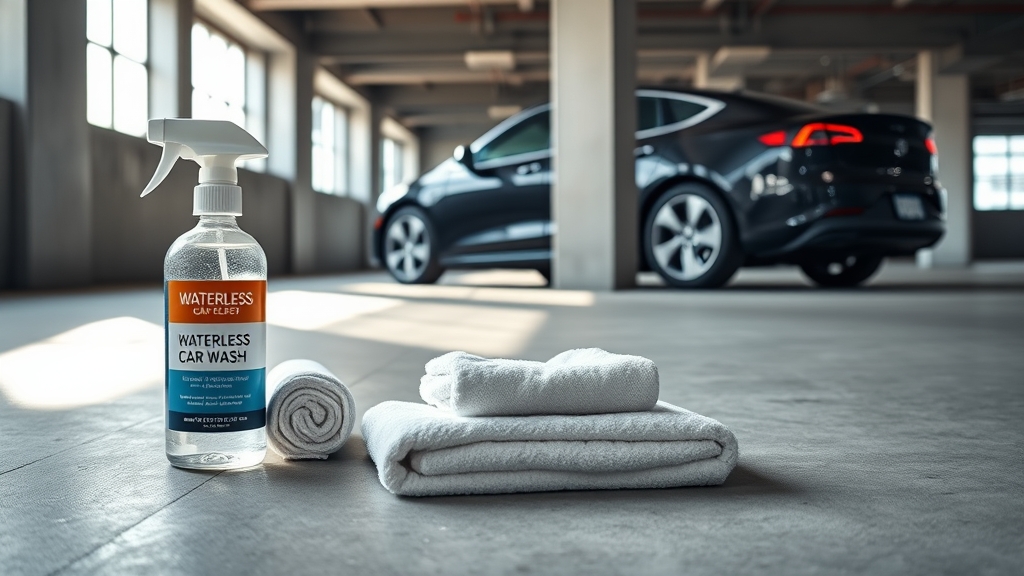
Waterless car wash spray is a spray-on product designed to clean your car’s exterior without a hose or bucket. You spray, wipe with a microfiber towel, and buff—the dirt is encapsulated and lifted away. Most formulas use a combo of biodegradable surfactants, lubricants, and sometimes SiO₂ (ceramic) additives for extra gloss. The environmental bonus: These sprays use little to no water and prevent run-off into storm drains, which is why the EPA recommends waterless car-wash sprays for spot-cleaning.
Use waterless car wash spray for:
- Light dust and pollen build-up between washes
- Fingerprints and water spots after rain
- Quick clean-ups in garages, apartments, or office parking lots
- Mobile or on-location detailing where water is restricted
But adjust expectations—it’s not designed to remove caked mud or winter salt. Trying to clean a seriously dirty car this way can lead to streaks, towel overload, or even paint scratches.
How to use waterless car wash spray: Safe, effective steps for real life
Getting pro-level results with a waterless car wash spray isn’t about spraying and wiping blindly. Here’s a realistic step-by-step system based on lab tests, user experience, and detailer feedback:
- Assess the dirt level. Only use for light-to-moderately dirty paint. If you see caked-on mud or sand, rinse with water or visit a touchless wash first.
- Work in small panels. Spray the waterless car wash spray directly on a cool surface (shade is ideal—avoid direct sun).
- Use clean microfiber towels. At least 6–8 for a midsize car. Fold the towel, use one side per wipe, flip frequently.
- Gently wipe. Start at the top of the car and work down. Glide in straight lines, using minimal pressure to avoid dragging grit.
- Buff immediately with a dry towel. This prevents streaks and brings out the gloss. Replace towels as they get dirty—don’t skimp!
- Inspect your work. If you see haze, repeat with a new towel—some formulas need extra buffing, especially on black or dark paint.
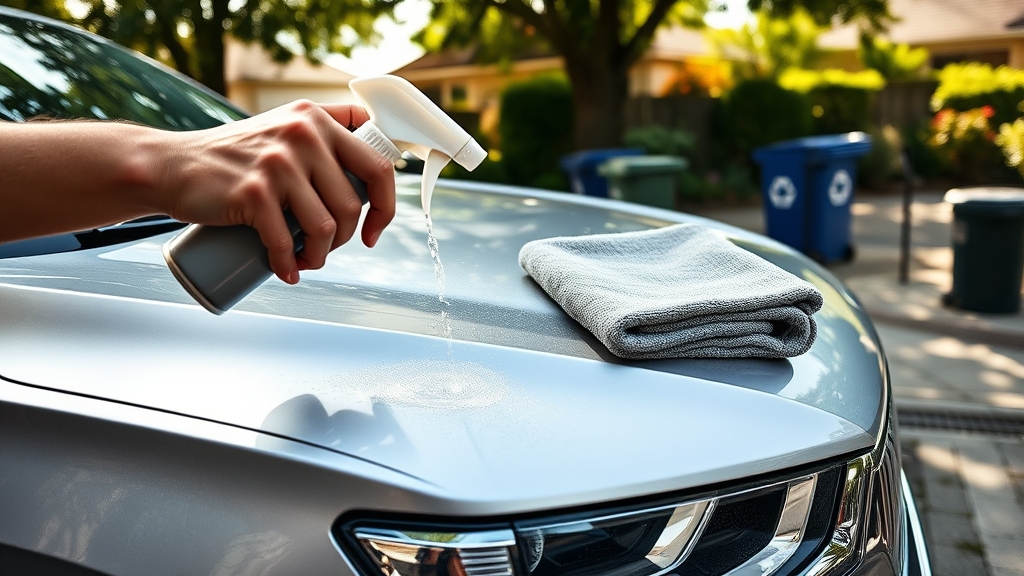
For tough bug splatter or sap, let the eco friendly car wash spray sit for 60 seconds, then gently agitate with a towel or a soft detailing brush. If it won’t budge, switch to a traditional wash or use a specialist clay bar for stubborn contaminants before applying protective coatings.
Here’s a quick snapshot of how a real Los Angeles commuter (apartment dweller, no hose) saves with waterless sprays:
- Bottle Cost: $15 (16 ounces)
- Uses per Bottle: About 4 (for a compact sedan)
- Water Saved: 30-50 gallons per wash (market reports)
- Time per Wash: 15-20 minutes (no hose setup/breakdown needed)
Explore more waterless car wash spray tips or use this formula to calculate your annual savings:
(Number of waterless washes per year) x (gallons saved per wash) = total gallons saved/year.
Pitfalls, real-world pain points, and advanced analysis
User reviews and lab tests reveal that waterless car wash spray products aren’t magic—let’s break down what goes wrong most often, and how today’s main brands differ.
| Brand | Chemistry | Best Use | Price (Range) | Test Highlights | Common Complaints |
|---|---|---|---|---|---|
| Meguiar’s Hybrid Ceramic | Biodegradable surfactants, SiO₂ | Daily light cleaning, gloss | $12–16 | High lubrication, streak-free (Road & Track test) | Higher cost, less effective on heavy grime |
| Adam’s Polishes Waterless Wash | Plant-based surfactants, polymer | Pollen, bug splatter, water spots | $10–15 | Eco-friendly, decent scent, good coverage (Car and Driver test) | Streaking if overapplied, needs extra buffing |
| Aero Cosmetics Wash Wax ALL | Polymer + wax | Quick detailing, fleets, aviation | $15–20 | Very convenient for large vehicles | Some users dislike scent, less slick on dark paint |
| Legendary Ceramic Waterless | Advanced polymers, SiO₂ | Gloss, slippery finish | $16–22 | Hydrophobic, easy on/off, multi-surface (source) | Oily residue on some paints, smells |
Common pain points (from market reports and user reviews):
- Struggles on heavy grime. Most sprays can’t lift mud, baked-on bugs, or winter residue.
- Streaks/haze if overapplied. Especially on dark paint or in direct sun.
- Requires lots of towels. Cheaping out on microfiber can scratch paint or leave lint.
- Risk of swirls/scratches if technique is poor. Using too much pressure or not swapping towels risks micro-marring.
- Some “eco” claims are vague. Not all products are certified biodegradable—double-check for reputable eco-labels or look for EPA spot-cleaning recommendations.
Real-world case: A mobile detailing pro in drought-hit California uses waterless car wash spray for express jobs, reporting a 70% drop in water waste and faster service—but keeps a traditional rinse setup for clients with neglected, heavily soiled cars.
For a long-term finish, be cautious: repeated use of waterless car wash on heavily neglected or non-protected paint can, over time, dull gloss or accelerate swirl marks. If your car has a ceramic coating, waterless products are generally safe—just avoid harsh solvents and always test a small spot first.
Final verdict: Is waterless car wash spray worth it?
The evidence is clear: For waterless car wash spray, choosing the right product and applying it with care delivers fast, eco-conscious cleaning for lightly dirty vehicles—saving water, time, and often money. But be realistic: if your car is caked in winter salt or you ignore technique, you’ll face streaks, need dozens of towels, or even risk paint damage. Use it as intended—spot or maintenance cleaning—and you’ll see the benefits. To go further, see our guide to foam cannon car wash guide or explore our foam cannon car wash guide if you need a deep, sudsy clean.
Ready to try waterless car wash spray? Start with a small area, use proper towels, and keep track of how much water you save this month. Your car—and the planet—will thank you.
FAQs
Is waterless car wash spray safe for all paint types?
Most waterless car wash sprays are safe for modern clear coat finishes and ceramic coatings, as long as you follow best practices. On older or single-stage paints, test a small area first and avoid using on excessively dirty surfaces.
How much water does waterless washing actually save?
Compared with a traditional two-bucket wash (30–50 gallons per use), a single application of waterless car wash spray cuts water by 70–90% or more, according to EPA guidance and market studies.
What are the biggest mistakes first-time users make?
Not using enough clean microfiber towels, applying too much pressure, and trying to clean heavily soiled cars all lead to streaking, scratches, or frustration.
Are all eco friendly car wash sprays really biodegradable?
No—some brands use “eco” claims loosely. Look for third-party certifications or explicit statements about biodegradability. EPA recommendation for spot-cleaning is a strong indicator.
Can I use waterless car wash spray on wheels, glass, or trim?
Most modern formulas are safe on painted wheels and glass, but always read the label. Avoid on hot surfaces or brake dust-coated wheels, which need a separate cleaner.