

Car seat cover upgrade is one of the highest-value interior improvements for both daily drivers and detail-focused enthusiasts in 2024. Picking the right upgrade isn’t just about looks—today’s market is changing fast, offering smarter features and better materials that address real comfort, fit, and protection concerns. This guide cuts through the hype with evidence-backed advice, so you buy once and buy smart.
Key Takeaways
- The 2024 car seat cover upgrade market is booming due to new features like integrated cooling, real eco-leather, and improved vehicle compatibility.
- Custom-fit covers outperform universal types in safety, comfort, and durability, though they require more installation effort and higher upfront cost.
- Buyers should look for independent lab testing, fit guarantees, and beware of low-quality or counterfeit options undermining long-term value.
- Why 2024 Is a Turning Point for Car Seat Cover Upgrades
- How To Choose and Install the Right Seat Cover Upgrade
- Advanced Analysis & Common Pitfalls of Car Seat Cover Upgrades
- Conclusion
- FAQ
Why 2024 Is a Turning Point for Car Seat Cover Upgrades
The car seat cover upgrade market is experiencing major change in 2024, driven by growing demand for smarter features and evidence-backed improvements. New data shows the global heated and cooled seat cover segment is projected to grow at nearly 12% CAGR through 2030. The heated cover market alone is expected to hit nearly $1.3 billion by 2025, more than doubling to $2.5 billion by 2034. Overall, automotive seat cover revenue topped $5 billion in 2023 and is forecast to exceed $8.7 billion by 2032 (source).
Why is this happening now? Car owners want protection against everyday wear, resale loss, and messes from pets or kids—but they also expect features like cooling (for summer), waterproofing, and compatibility with seat airbags or heating. The market is also seeing a real shift toward eco-leather, which now makes up 42% of the premium seat cover segment. High-tech covers—including active ventilation and smart sensor integrations—are here, but so are more stylish OEM-matching options that don’t interfere with safety.
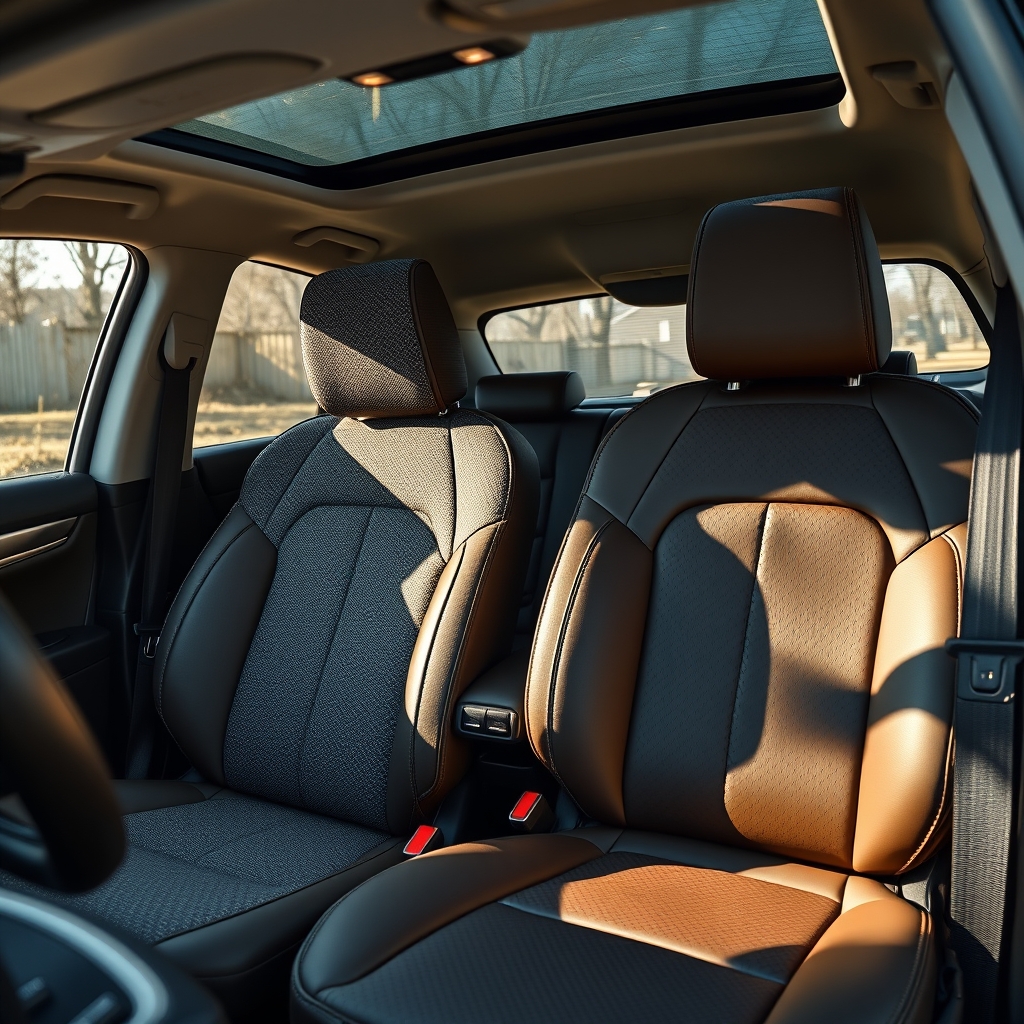
In short: 2024 is the year where “just a seat cover” turns into a serious, evidence-based upgrade—if you know what to look for and how to avoid common traps. Read on for practical steps and unbiased advice.
How To Choose and Install the Right Seat Cover Upgrade
Here’s how to select and install a car seat cover upgrade for maximum comfort, protection, and performance—without falling for marketing fluff.
- Identify your main pain points. Do you need cooling for hot summers? Protection against spills or pet damage? An OEM-style upgrade for resale?
- Choose your cover type:
- Universal fit: Budget-friendly, installs in minutes, but often slips or wrinkles and may block armrests or airbags.
- Custom fit: Precision-designed (CAD/3D scan), perfectly fits your seat, protects integrated features, and mimics factory look—but costs more and may need a pro install.
For a detailed comparison, see our “Custom Fit Seat Covers vs Universal Seat Covers” resource.
- Demand real protection. Look for seat covers with verified material ratings: hydrostatic head water tests, abrasion cycles, and puncture resistance. Neoprene and CORDURA are top picks for pets and spills (source).
- Check compatibility with safety features. Genuine custom-fit seat covers will mention “airbag-compatible” cutouts and won’t block seat sensors, heated seats, or lumbar controls.
- Assess installation difficulty. Universal fit covers are DIY; custom covers may require 15–30 minutes of careful alignment or a professional install ($200–$500). Paid installation often comes with a fit guarantee.
- Ask for independent test data. Legit sellers should provide documentation or point you to third-party tests for waterproof, abrasion, and cooling claims. Many brands still lack this—always ask.
- Prioritize warranty and return policy. Top brands like Katzkin, Faurecia, Comfier, and ShearComfort offer robust support (source).
- Validate with user reviews and photos. Real-world installation and daily-use images are more reliable than studio product shots.
- Maintain your upgrade. Use dedicated cleaners (not household soaps) for leather and eco-leather. Neoprene and synthetic covers last longer with regular vacuuming and gentle spot cleaning. Review more interior cleaning tips in our paint decontamination clay bar guide.
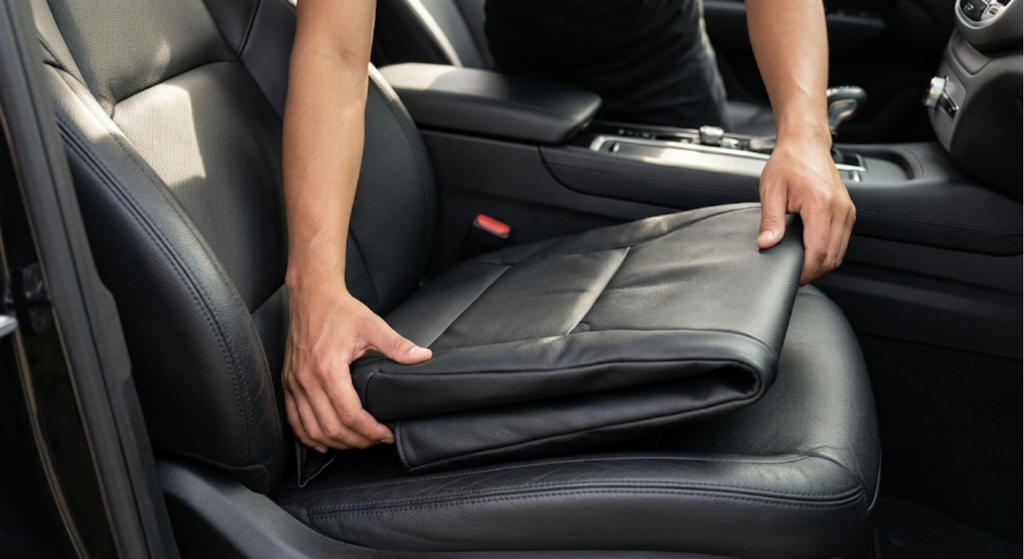
Can’t decide on fabric type? If summer cooling is your top concern, opt for perforated eco-leather or breathable mesh. Custom covers deliver the best performance, but some smart universal-fit options now offer active cooling with thermoelectric modules and fans—just double-check for independent CFM and temperature delta data (source).
Still torn? For budget builds, universal fit may be enough, but for high-traffic family cars or resale-oriented upgrades, the extra investment in custom-fit is usually worth it. For a full breakdown on premium interiors, check out our custom car floor mats guide.
Advanced Analysis & Common Pitfalls of Car Seat Cover Upgrades
Even after careful research, buyers fall into predictable traps—either chasing a deal that’s too good to be true or missing hidden conflicts with their vehicle’s safety features. Here’s a breakdown of the most frequent pitfalls, with a comparison to help you spot real value.
| Issue | Universal Fit Covers | Custom Fit Covers |
|---|---|---|
| Fit/Appearance | One-size-fits-most, often wrinkles, slides, or bunches. May look “aftermarket”. | Vehicle and trim-specific. Looks factory-installed (“seat covers that look OEM”), rarely shifts. |
| Installation | DIY, usually under 10 minutes. | 15–30 minutes with careful alignment or professional ($200–$500 cost, but fit guarantee possible). |
| Compatibility | Often blocks airbags, seat adjustments, cup holders. May nullify warranty, causes safety risks. | Made for airbag and heated seat compatibility. Maintains OEM safety systems (source). |
| Durability | Greater risk of tearing, fading, and stretching—especially with pets or children. Prone to counterfeit duplicates. | Superior stitching, premium materials (nappa/synthetic leathers, eco-leathers). Often backed by multiyear warranty. |
| Smart Features | Some have built-in cooling (less common), usually entry-level specs. | OEM-style upgrades (ventilated, heated, even massage features) available. Insist on real tech spec data. |
| Cost | $15–$90 per set, budget-friendly for quick fixes or less-used vehicles. | $180–$600+ plus install. Worth it for resale or premium feel. Factor in professional install if DIY is not your style. |
- Beware “leather car seat covers” listings that use words like “PU leather” without labelling real or eco-leather. Counterfeits are common and typically tear or crack after a few months.
- “Cooling car seat covers summer” claims are hit-or-miss. If no CFM (airflow), ΔT (temperature reduction), or certified test results are provided, be skeptical. Many only offer perforated surfaces without real airflow.
- For waterproof and pet-proof options, true effectiveness relies on closed seams and thicker-grade materials like CORDURA or neoprene. “Spill-proof” often means light-protection only—ask for test ratings or video proof. See how this compares to paint protection in our ceramic coating kit for beginners article.
- Look for installation videos or guides from the seller and community posts on forums like r/cars or r/AutoDetailing. Poor install causes 80% of user complaints about bunching, uneven alignment, or blocked airbags.
- Brands scaling with direct-to-consumer sales have condensed documentation and easier fitment validation—refer to vehicle-specific fitlists, not just year/model dropdowns.
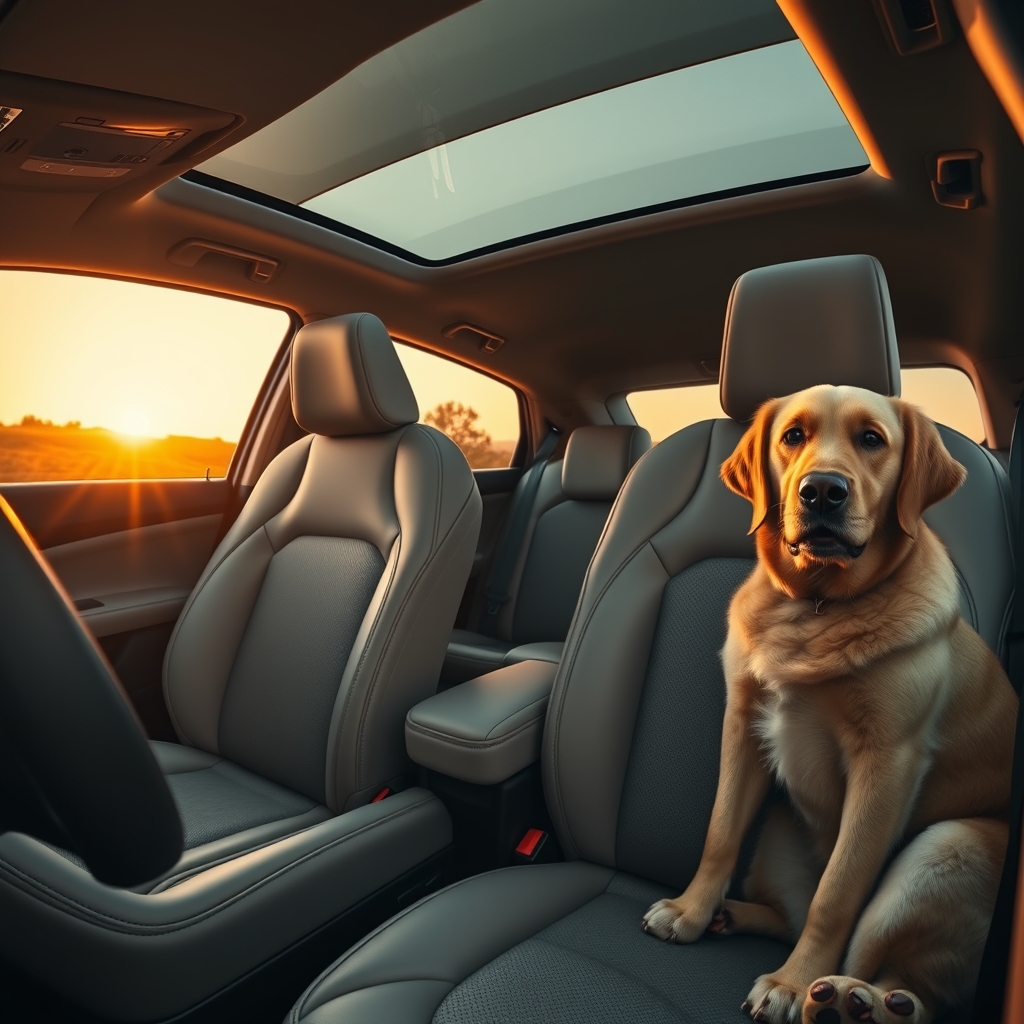
If you want that showroom finish, always finish with maintenance routines:
- Genuine leather needs conditioning every 6 months (see our paint correction guide for deep clean routines).
- Eco-leather can be cleaned with a damp microfiber towel and a drop of gentle soap.
- Neoprene covers require less care, but inspect for seam wear after every wash/vacuum cycle.
For a full breakdown on waterproof and pet-proof protection claims, see external research on modern waterproof seat cover technologies here.
Check which brands have validated airbag/seat feature integration—this is the most overlooked safety concern and can void insurance or reduce airbag deployment effectiveness in an accident.
Still have detailing questions? Compare your complete interior upgrade with our foam cannon car wash guide for a full professional finish.
Conclusion
The right car seat cover upgrade in 2024 delivers more than just a cosmetic change—it adds genuine comfort, verified safety, better resale value, and protection against mess, weather, and daily wear. The best results always come from matching your purchase to your real driving and family needs: custom-fit options win on fit, safety, and long-term value, while smart universal covers may offer quick, affordable improvement for less-used cars. Focus on quality—documented test results, strong warranties, and trusted brands minimize regret and maximize satisfaction.
Ready to protect your investment and upgrade your comfort? Shop with the steps above, and make your car seat cover upgrade a decision you’ll never regret.
FAQ
Are custom-fit seat covers worth the extra cost over universal fit?
For daily drivers, family vehicles, or cars with integrated features (like airbags or heated seats), custom-fit covers are worth it. They provide better safety, an OEM look, and last much longer—making the upfront cost a smarter long-term investment.
How can I tell if a “leather car seat cover” is real or fake?
Check detailed material specs—real leather or eco-leather (plant/recycled) is always labeled. “PU leather” or “leatherette” usually means synthetic, which can be fine if verified and well-made. Research manufacturer reputation and request real-world user photos if possible.
Do cooling seat covers actually lower seat temperature in summer?
Some do, but many don’t! Genuine “cooling car seat covers summer” models use built-in fans or thermoelectric modules—insist on independent test data showing airflow (CFM) and temperature drop (ΔT). Simple perforated textiles rarely provide real cooling.
Which seat cover materials are best for pets and spills?
Neoprene and CORDURA (or similar thick fabrics) are best for waterproofing and resisting pet claws. Leatherette is easy to wipe but can tear. Always check for sealed seams, zipper quality, and third-party material tests.
Will installing seat covers void my warranty or affect airbags?
Poorly fitted universal covers sometimes block airbag deployment or seat sensors and can void warranty coverage in those areas. Custom-fit covers from reputable brands usually account for all built-in features—always read product documentation or consult your dealership for confirmation.