

Paint protection film installation is one of the most significant investments a serious car owner can make, but the real costs, pros, and risks are rarely spelled out before you hand over your keys. This no-nonsense guide gives you a complete, data-backed breakdown of costs, trade-offs, and post-installation realities—so you decide if PPF is actually worth it.
Key Takeaways
- Paint protection film installation is a high-skill, high-investment process—expect $1,200 to over $8,500 depending on coverage, car size, and installer quality.
- Major user complaints include edge-lifting, premature yellowing, dust/bubble defects, and weak warranty enforcement. Proper research and maintenance are critical.
- PPF offers 5–10 years of true paint protection and has a measurable resale value advantage, but only if installed—and cared for—correctly.
- What Is Paint Protection Film Installation and Why It Matters
- Step-by-Step Guide: How Paint Protection Film Is Installed
- Advanced Analysis & Common Pitfalls
- Conclusion
- FAQ
What Is Paint Protection Film Installation and Why It Matters
Paint protection film installation is a professional process where a clear, ultra-durable polyurethane film is custom-fit and wrapped around key areas (or the full body) of your vehicle to shield the paint from chips, scratches, stains, and UV damage. In 2024, savvy car owners are turning to PPF not just for cosmetic protection, but to safeguard resale value—especially on high-value or daily-driven vehicles.
The process is more labor- and skill-intensive than ceramic coating or waxing. A PPF install typically involves digital patterning, intricate edge work, wet application, and hours of squeegee and heat-gun work to avoid trapping dust or introducing visible seams. The cost is substantial—national averages are:
- Partial-front PPF: $1,200–$1,500
- Full-front PPF: $2,800–$3,200
- Full-body PPF: $7,500–$8,500 (standard sedan or SUV)
For exotics, custom bodywork, or heavily corrected paint, prices can exceed $12,000.
(Source: Titan Coatings Financial Guide, Aarons Automotive Detailing)
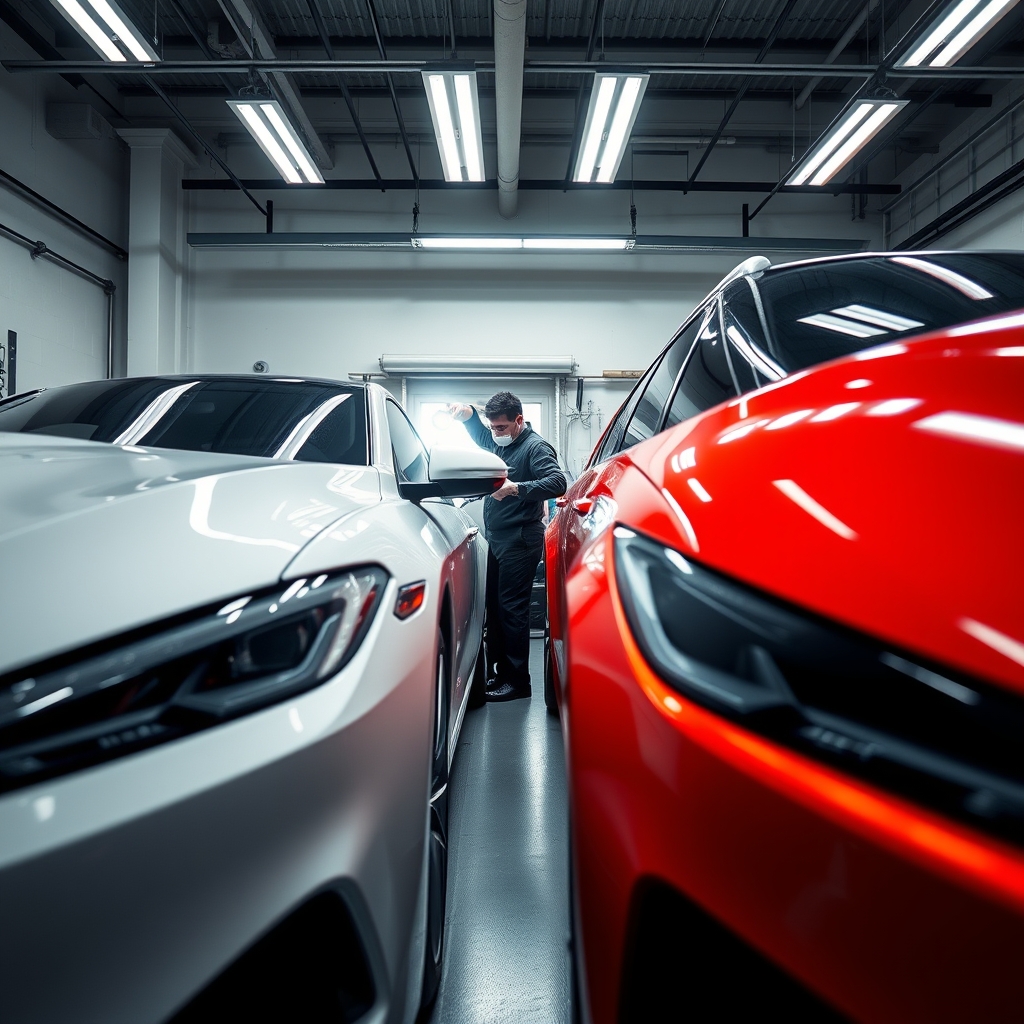
Unlike ceramic coatings, which mainly boost gloss and repel water, PPF is your best line of defense against actual physical damage—road rash, rock chips, and minor scrapes. Buyers in 2024 are investing because repainting a bumper can cost $800–$1,500, while a deep scratch on a fender can run $2,000+. PPF can save you that bill—if it’s installed and maintained correctly.
Explore how ceramic coating compares by reading our proven ceramic coating cost guide.
Step-by-Step Guide: How Paint Protection Film Is Installed
PPF installation isn’t a DIY spray-on. It’s a series of meticulous manual steps that will vary slightly by shop and film brand, but here’s the professional process every serious buyer should know:
- Prep: Wash, Decontaminate, Paint Correction
(Essential: Film will seal in chips and swirls if paint isn’t prepped perfectly)- Thorough wash, iron/fallout remover
- Clay bar (see our clay bar guide) to remove embedded grit
- paint correction with a machine polisher for flawless surface (learn how swirl marks are removed)
- Patterning & Pre-Cut
Your shop may use computer-cut film precisely matched to your vehicle. Some installers hand-cut, which can introduce risk but accommodate unusual edges or body panels. - Film Application
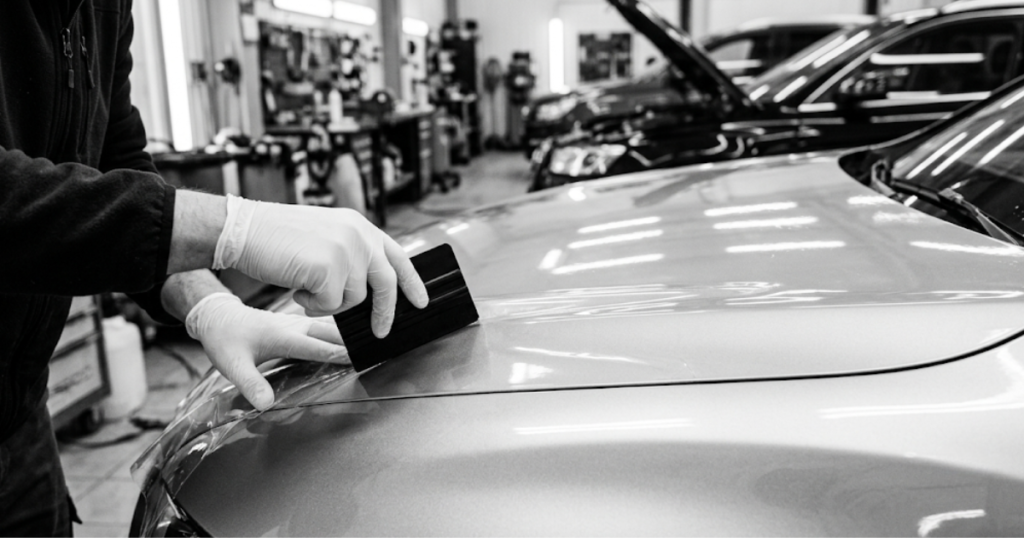
The pre-cut film is positioned, sprayed with slip solution, and carefully squeegeed into place. Installers use heat guns and special tools to contour film onto curves and edges—this is where months of skill really show. - Edge Wrapping/Sealing
Properly wrapped or tucked edges prevent lifting and contamination (a core sign of high-quality work). - Curing and Inspection
Some bubbles or haze may appear at first—minor issues typically self-heal during the 7 to 30-day curing process. Any defects left after this period require professional attention.
What Drives the Cost of Paint Protection Film Installation?
- Material: High-quality self-healing polyurethane film is expensive—cost varies by brand, thickness, and features (like UV resistance or mattifying).
- Labor: Top installers train for months and charge $50–$120/hour depending on city (see breakdown).
- Coverage Area: Full-body installs require up to 5x more time and material than partial protection, plus more edge work.
- Paint Correction: Heavily swirled or chipped paint dramatically increases prep costs. Always request a full breakdown.
For an even deeper dive, check out our car paint correction expert guide.
Advanced Analysis & Common Pitfalls
Even the most advanced PPF films are only as good as the installer’s technique and your ongoing aftercare. Here’s what real vehicle owners have reported—and what the data shows:
Most Common Customer Complaints
- Edge Lifting: Film starts to peel at the edges or corners—often due to rushed or improper heat-setting (see PPF installation mistakes).
- Premature Yellowing: Low-grade adhesives, poor edge sealing, or cheap films cause yellow outlines within 1–2 years, even on premium cars.
- Bubbles & Dust Traps: Trapped air or grit are nearly impossible to fix once the film is set. Fast, careless prep is a prime culprit.
- Sealing in Defects: Swirl marks, rock chips, or bird etchings become permanent if not corrected before the install. Removal and reapplication can cost thousands.
- Warranty Friction: Many users find warranty claims are slow, denied due to “improper maintenance,” or far less generous than advertised. Get all promises in writing.
PPF vs Ceramic Coating: Side-by-Side Comparison
| Feature | Paint Protection Film (PPF) | Ceramic Coating |
|---|---|---|
| Average Installed Cost | $1,200–$8,500 (partial to full-body on sedan/SUV) | $1,400–$2,200 |
| Lifespan | 5–10 years | 2–5 years |
| Physical Impact Protection | Excellent (rock chips, scratches) | Minimal |
| Hydrophobic/Gloss | Good (even better with overcoat) | Excellent |
| Maintenance | Mild soap, no harsh chemicals. Clay/polish carefully as needed. | Easy washes, occasional recharge |
| Resale Value Effect | Preserves value by 10–15% | Minimal direct effect |
| Warranty/Claim Issues | Frequent user complaints | Varies by supplier |
For basic protection, a ceramic coating may suffice—see our beginner’s ceramic coating kit guide. For true defense against chips and serious scratches, PPF leads, especially for long-term ownership.
Hidden Cost Drivers: Material vs Labor, Region & Brand
- Hourly rates vary widely: Expect $50–$100/hour in Los Angeles, $70–$120/hour in Chicago. Full-body exotic installs can be $12,000+.
- Brand & Film Type: Top brands—like XPEL, SunTek, STEK—offer better clarity, durability, and self-healing, but require skilled shops. Ask for technical specs: adhesive type, UV resistance, and warranty scope.
Check our paint correction vs ceramic coating guide for a breakdown of costs and scenarios.
Dive even deeper on choosing the right ceramic and PPF for your situation.
Aftercare & Maintenance Playbook
- Washing: Use pH-neutral shampoo and soft mitts. Skip drive-throughs—rollers can lift edges or scratch the film.
- Clay bar as needed: Only when surface feels gritty. See our clay bar detailing tips for safe technique.
- Spot polishing: Use ultra-fine polish gently if gloss dulls—avoid any abrasive products that could mar the film.
- Ceramic overcoat: Can be applied 1–4 times over the film’s lifespan for added shine and easy cleaning.
- Inspect edges and seams: Early detection of lifting or bubbling can save a full re-do.
Proper care typically keeps PPF performing and looking great for 5–10 years, maximizing your investment and resale value.
Conclusion
If you own a premium vehicle, drive daily, or simply want to avoid costly paint repairs, paint protection film installation offers real payoff—if you choose your installer wisely and commit to aftercare. Expect $1,200–$1,500 for partial coverage or $7,500–$8,500 for a full-body application on standard cars, with exotics costing substantially more. The upfront cost is steep, but a true quality PPF install lasts up to a decade and can deliver a 10–15% resale value boost. Don’t skip homework: Vet your installer, review warranty terms in writing, and plan for routine maintenance.
Ready to protect your investment? Get quotes from certified pros, demand transparent breakdowns, and make sure your paint protection film installation sets the standard—not just for looks, but for long-term protection.
FAQ
How long does a typical paint protection film installation last?
Most quality PPF brands last 5–10 years when installed professionally and maintained with proper washing and care. Some high-end films with UV blockers may last slightly longer.
Is paint protection film really worth it for daily drivers?
If your car is exposed to highway miles, parking lots, or harsh conditions, PPF prevents costly chips and scratches and helps maintain resale value—making it worth the cost for many daily drivers.
What happens if my PPF edges start lifting or the film yellows?
These are typically warranty issues, especially if great care was taken with maintenance. Edge lifting is usually traced to poor install or insufficient prep—contact your installer immediately. Premature yellowing can sometimes be covered by the manufacturer warranty.
Can I combine ceramic coating with paint protection film?
Yes. Many professionals recommend applying a ceramic coating on top of PPF for added gloss, easy cleaning, and longevity. Wait until the film has cured, typically 7–30 days, before application. See our DIY ceramic coating tips.
How do I choose a reputable PPF installer near me?
Look for certified installers with a portfolio, close-up edge-work photos, solid shop reviews, and a written warranty. Ask about their experience and training. Rates vary by city, so always get detailed quotes and breakdowns.