

Ozone generator for car odor is a hot topic among car owners and DIY detailers who want to deal with stubborn smells like smoke or pet odor. While car ozone treatment machines seem powerful, the real story is a balance between odor removal results, material risk, health, and smarter alternatives. Here’s what you actually get—and what you may risk—when you reach for an ozone generator.
Key Takeaways
- Ozone generators for car odor offer strong short-term odor reduction—up to 70 percent at high dosages—but can exceed safe ozone exposure limits and damage interiors.
- Health and safety protocols must be strictly followed: evacuate the car completely and ventilate thoroughly post-treatment.
- Alternatives like activated charcoal filters and hydroxyl generators are often safer, more effective under legal limits, and should be tried before ozone.
- Quick take — is an ozone generator for car odor the right choice?
- How ozone generators work (brief, non-technical)
- Unique insight — effectiveness vs safety tradeoff
- Technical specifications to look for when buying a personal unit
- Step-by-step safe usage protocol for DIY car ozone treatment
- Health risks and regulatory guidance you must know
- Common complaints and negative experiences reported by car owners
- Alternatives to ozone — effectiveness, safety, and when to prefer them
- Costs in 2024 — professional ozone service vs owning a personal ozone generator
- Market snapshot 2024 — major brands, product trends, and region notes
- Three critical sub-topics top articles usually miss (and how this piece will cover them)
- Practical resources and must-have citations for the article
- FAQ
Quick take — is an ozone generator for car odor the right choice?
Ozone generators can rapidly reduce persistent car odors, achieving up to 50 to 70 percent knockdown in high-concentration, short-burst applications. However, running a car ozone treatment machine at these strengths pushes ozone levels far above OSHA and EPA safety guidelines—and can harm both your health and your car’s interior. The realistic verdict: only use an ozone generator for car odor as a last resort after safer, proven methods are exhausted, and always use strict safety procedures.
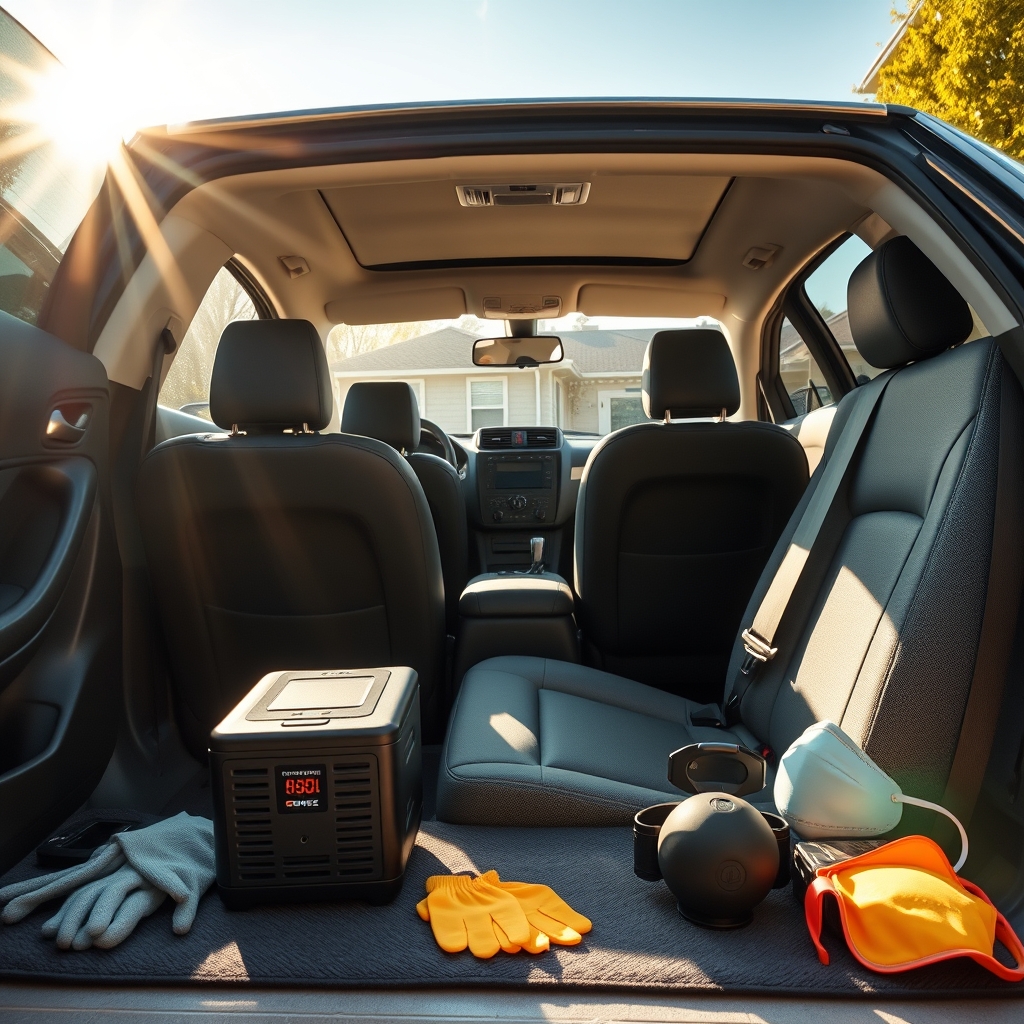
Studies from 2023–2024 show that exposing a car interior to 1 to 5 parts per million (ppm) of ozone for 10 to 15 minutes can cut strong odors in half or more, but these levels exceed OSHA’s 0.1 ppm (8 hour time-weighted average) and EPA’s 0.05 ppm guideline.[6] If you must use ozone, treat it as a powerful chemical treatment—never as a harmless “freshening” routine.
How ozone generators work (brief, non-technical)
A car ozone treatment machine produces ozone gas (O3) by splitting normal oxygen molecules (O2) either via a “corona discharge” (electric spark) or ultraviolet (UV) light. The output is a trio of oxygen atoms; this reactive molecule can break down certain volatile organic compounds (VOCs) and odorants, such as those from smoke or pets. However, ozone’s chemistry is a double-edged sword—it can also create secondary pollutant byproducts and cause strong, sometimes toxic, off-gassing in confined spaces.[7]
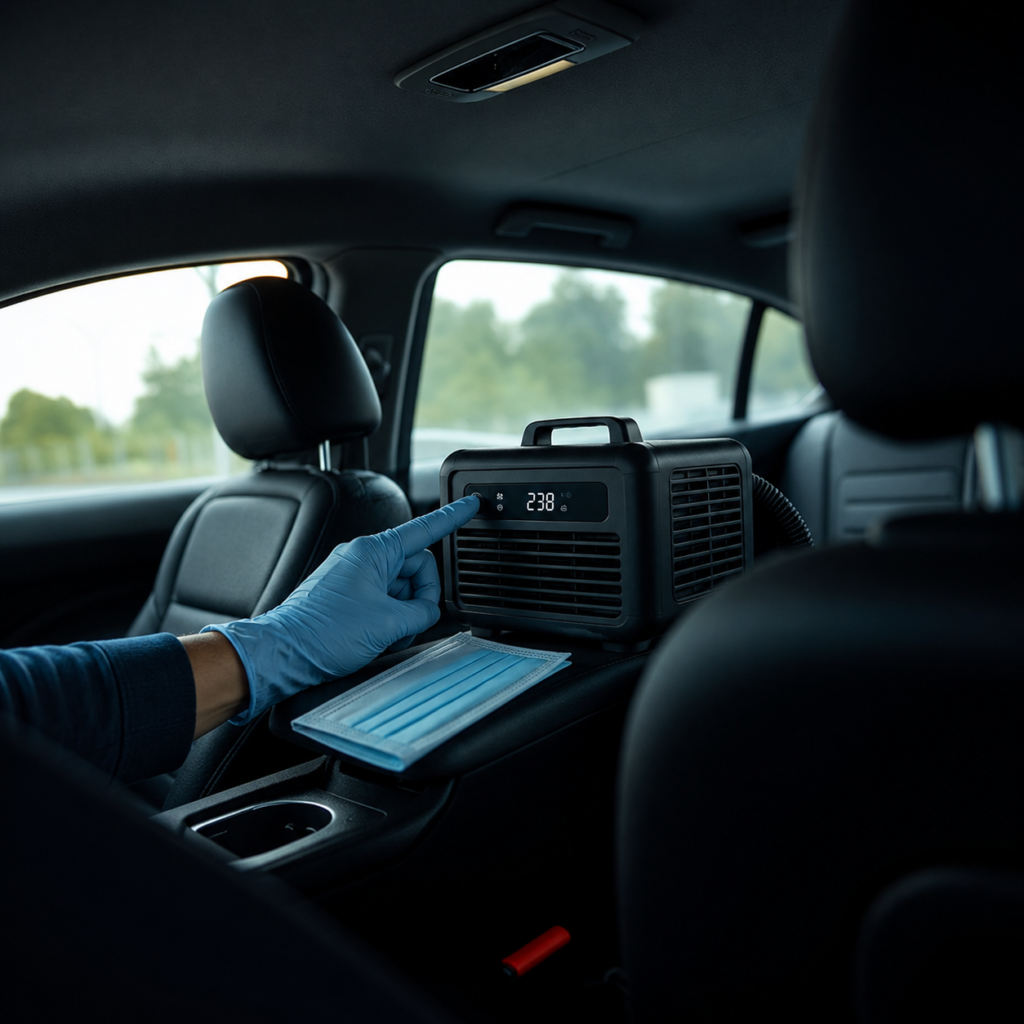
It’s important to know: Not all odor compounds react with ozone. Some, like acrolein (found in smoke), can be neutralized effectively, while others linger. The process can also lead to secondary reactions that might cause new smells or off-gassing.[6]
Unique insight — effectiveness vs safety tradeoff
Here’s the critical tradeoff: Ozone generators are potent at high concentrations but are much weaker (and less effective) when used in compliance with health regulations. The chart below compares effectiveness and safety margins with leading alternatives.
| Odor Removal Method | Percent Odor Removed | Meets OSHA/EPA Safety? | Risks |
|---|---|---|---|
| Ozone generator (1–5 ppm, 10–15 min) | 50–70% | No | Respiratory harm, material damage |
| Ozone generator (below 0.1 ppm) | 30–45% | Yes | Limited effect |
| Activated charcoal/hydroxl generator | 80–90% | Yes | Minimal |
In 2024 comparative trials, activated charcoal filters and hydroxyl generators removed up to 90 percent of odors under entirely safe conditions—double what ozone treatment achieves at safe exposure. For professional or repeated use, most detailers are shifting toward these alternatives.[9]
Technical specifications to look for when buying a personal unit
When shopping for a car ozone treatment machine, look for these key specs:
- Ozone output (mg/hr): Most reputable consumer and pro units deliver 500 to 1,200 milligrams per hour. More is not always better—higher output means greater risk if misused.
- Timer/duty cycle: Must-have safety feature. Look for devices with a 1/3 duty cycle—10–15 minutes every 30–45 minutes—and an automatic shut-off timer.
- Hose adapter port: Allows the unit to sit safely outside the vehicle and feed ozone in, which makes operation safer and extends unit life.
- Portability or professional features: For most DIYers, small “portable” models like the PA1K-GO (600 mg/hr) are sufficient. High-volume pros might invest in package kits such as the MaxBlaster PRO Edition with accessories and spare parts.[1]
Don’t forget: Machine reliability and clear manufacturer warnings are a must. If a device doesn’t make you confirm that all persons or pets will be evacuated—it’s not a good choice.
Step-by-step safe usage protocol for DIY car ozone treatment
- Deep clean first: Vacuum and wipe all surfaces, removing all trash and biologically sourced odors at their source. Ozone only works on airborne and surface-embedded chemicals, not physical contaminants.
- Preparations: Place the car ozone treatment machine inside on a non-flammable surface. Plug it in via extension cord or use a portable battery unit. Crack a window for oxygen intake.
- Settings: Set the timer for 10 to 15 minutes only. Use recirculation mode on your car HVAC to allow ozone to reach all areas.
- Evacuate: Everyone, including pets, must be out of the car and away from the immediate area. Lock the doors during treatment.
- Finish and ventilate: After the cycle ends, open all doors and windows. Ventilate for at least 30–60 minutes before anyone re-enters the vehicle.
- Monitor: Sniff cautiously. If any sharp, lingering ozone smell remains, air it out longer. Consider using a small air quality monitor for extra safety.
- Recommended session: No more than 10–15 minutes per run. Overuse can accelerate off-gassing.
- Always follow the manufacturer’s safety warnings.
Do not skip the ventilation step, even if you’re in a rush. Re-entering a car with concentrated ozone can cause respiratory symptoms within minutes.
Health risks and regulatory guidance you must know
- OSHA legal limit: 0.1 ppm (8-hour time-weighted average)
- EPA recommends staying below 0.05 ppm
- Ozone generators sold as air cleaners are not recommended by the EPA for routine car or home use
Exposure to ozone, even at “modest” levels, can quickly cause coughing, chest tightness, worsening of asthma, and respiratory morbidity. Vulnerable individuals—children, the elderly, and anyone with pre-existing lung issues—are especially at risk. Never run a car ozone treatment machine with anyone inside or nearby.
Industry and scientific consensus: Routine use of ozone at levels needed for truly “full” deodorization is not safe and is limited by law. Alternative odor control options are far less hazardous.[5]
Common complaints and negative experiences reported by car owners
What issues do real car owners and detailers report using an ozone generator for car odor?
- Lingering “sharp” ozone smell: Some owners smell ozone or a “chemical” odor for days—or in rare cases, weeks—after even single, short 15-minute treatments.[4]
- Respiratory discomfort: Users and passengers sometimes complain of coughing, headaches, or asthma flare-ups that persist after poor ventilation.
- Interior material damage: Repeated or excessive ozone exposure can degrade vinyl, rubber gaskets, dashboard plastics, and even cause sticky film or “aging” of interior trims and steering wheels.
- HVAC system issues: Ozone can cause breakdown and off-gassing in the air conditioning recirculation ductwork and cabin filter, leading to recurring odors or poor airflow.
Problems appear most often after overly long treatments, running machines in poorly ventilated cars, or repeated high-output sessions. If your car is valuable or has rare interior materials, be extra cautious.
Alternatives to ozone — effectiveness, safety, and when to prefer them
Before using ozone, try these safer, often more effective options:
- Activated charcoal filters: Proven for removing a broad range of VOCs and odors. Many HEPA cabin air filters now include a charcoal layer optimized for smoke, pet, and food smells.
- Hydroxyl generators: These use advanced chemistry to neutralize odors safely, even when people or animals are present. Comparative 2024 trials show 80% or better odor reduction, outperforming ozone at safe levels.[9]
- Deep cleaning HVAC and surfaces: A high-performance car detailing vacuum cleaner paired with steam cleaning and a deep clean with an auto detailing clay bar can get rid of many stuck-in odors at the source.
- Source removal and new cabin filters: Replacing source-contaminated upholstery or cabin filters is often more effective and permanent.
- HEPA + carbon air purifiers: These portable devices can reduce airborne odor compounds safely over hours.
Unless you are handling extreme cases—like heavy tobacco cars purchased from auction or neglected pet or food spill vehicles—these alternatives work better for most owners and do not require evacuation or risk material damage.
Costs in 2024 — professional ozone service vs owning a personal ozone generator
Understanding your real costs is key before investing in equipment or paying for pro service:
- Professional ozone service: $85–$250 per car per visit depending on severity, location, and whether thorough interior cleaning is included. Some mobile detailing operations charge added travel/overhead fees. Recurring severe cases mean recurring cost.
- Owning a personal car ozone treatment machine:
- Entry-level consumer ozone units (500–700 mg/hr): $50–$120 (e.g., Airthereal PA1K-GO, Airbotx 440X basic).
- Professional, high-duty units (1,000–1,200 mg/hr): $250–$400 (e.g., MaxBlaster PRO Edition, Autel 1000 series), usually bundled with hose adapters, spare filters, and carrying case.
- Replacement hose adapter, filters, and parts: $10–$50.
If you’re using ozone more than a few times a year (multiple cars, rentals, or for professional detailing), investing in a solid machine pays off over time. Otherwise, a mobile car detailing service or rental option avoids the health and maintenance risk.
For a full DIY comparison (and a guide to affordable paint protection), see our best ceramic coating kit for beginners guide.
Market snapshot 2024 — major brands, product trends, and region notes
Major U.S. and international brands for car ozone treatment machines include:
- MaxOzone USA: Offers both consumer and PRO Car Detailer packages.
- Airthereal: Popular for the PA1K-GO portable line.
- Airbotx: Former 390X line now rebranded 440X; gaining traction for “safer” operation and compact form.
- OdorFree: Sells both ozone and hydroxyl generators for pro detailers.
- Autel: The 1000 series is known for reliability and solid warranty.
- NuvinAir: Focused on pro market, also vocal about health tradeoffs.
Most units rate between 500 and 1,200 mg/hr for car interiors. Growing demand for alternative technologies—specifically safe-inhabited-space hydroxyl generators—reflects a rising awareness of ozone’s downside risks.[9] Professional ozone services remain concentrated in large urban areas and dealer service centers, but smaller mobile operators are catching up fast.
Three critical sub-topics top articles usually miss (and how this piece will cover them)
- Quantified tradeoffs: Few articles actually show how much odor removal you lose by obeying OSHA/EPA limits. High-dose ozone can deliver 50–70 percent removal but always violates safety rules. Under legal limits, 30–45 percent is far more realistic, compared with up to 90 percent for activated charcoal or hydroxyl devices.
- Long-term material risks: Persistent off-gassing, chemical burns, and the slow breakdown of vinyl, plastics, and HVAC system parts can outweigh short-term odor removal gains. Consumer reports and forum threads often mention “weeks” of lingering odor after a single mistake.[4]
- True cost analysis: We break down the cost to own a car ozone treatment machine versus recurring professional fees. If you only need a treatment once every year or two, pro service wins. More frequent use tilts the balance toward ownership.
Our piece covers these head-on so you can make a clear, safety-first investment decision. For best results cleaning tough upholstery smells, see also our interior car steam cleaner guide.
Practical resources and must-have citations for the article
- EPA Guidance on Ozone Generators as Air Cleaners – official position and exposure warnings.
- NuVinAir: Should You Use an Ozone Machine? – detailed comparison and health risks.
- Airbotx: Ozone vs Hydroxyl Generators – performance comparison studies and modern product lines.
- Top vendor spec sheets: MaxOzone, Airthereal, Airbotx, OdorFree, Autel.
- Professional detailer forums: Real-world complaints and pro-level advice (example thread).
For hands-on product reviews and performance tips, see our expert Ozone Generator for Car Odor: Best Ways to Remove Odors (Proven Guide) and our deep-dive into cleaning with waterless sprays here.
Conclusion
Ozone generators for car odor are powerful tools—with major tradeoffs. At high settings, they deliver fast, noticeable results but at the cost of exceeding safety guidelines and risking interior and respiratory harm. Under safe protocols, their effectiveness drops while healthier alternatives often outperform them. Always try less risky methods first, and if you must use an ozone generator for car odor, commit to evacuation, protective gear, and long ventilation. Choose your solution wisely and protect your lungs—and investment—in your car. For guaranteed odor removal step-by-step, check out our updated mobile car detailing guide or discover pro-level cleaning tips in our full clay bar detailing article.
FAQ
How long does the ozone smell last after treating my car?
Most odors dissipate fully after 1–2 hours of ventilation, but some users report a “sharp” ozone smell lingering up to several days if ventilation is incomplete or if treatments are excessively long.
Can ozone damage my car’s interior materials?
Yes. Prolonged or repeated ozone use can cause fading, brittleness, and “aging” of plastics, vinyl, rubber gaskets, and HVAC ductwork. Keep treatments brief and infrequent.
Is it ever safe to be in the car during ozone treatment?
No. It is never safe or permitted. Always fully evacuate the vehicle and area prior to starting a car ozone treatment machine.
Are there safer alternatives to ozone for tough car odors?
Yes. Activated charcoal filters, hydroxyl generators, and deep cleaning (including source removal and steam cleaning) almost always deliver safer, highly effective results.
How much does a quality car ozone generator cost?
Consumer-grade units range from $50–$120. Professional packages with higher output and spares can cost $250–$400. Renting or booking pro service can cost $85–$250 per treatment.