

Dual action polisher beginner is the essential starting point for anyone wanting to achieve professional-looking paint correction at home—without risking costly mistakes or overwhelming complexity. In 2024, most new detailers pick DA (dual action) polishers for their blend of safety, easy learning curve, and real-world results on daily driven vehicles.
Key Takeaways
- 82% of entry-level detailers choose a dual action polisher for its safety, ease of use, and lower cost over rotary machines.
- The best DA polisher for beginners delivers 600-800 W power, a 15 mm orbit throw, variable speeds, and low vibration—usually found in the $200–350 range.
- Avoid burning paint by following a starter kit approach with the right pads, compounds, motion, and speed, and always keep moving with light pressure.
- Why most beginners choose a dual action polisher
- Step-by-step guide: Getting started with your DA polisher
- Advanced analysis & common pitfalls with DA polishers
- Conclusion: Making your first DA session count
- Frequently asked questions
Why most beginners choose a dual action polisher
Most first-time car detailers want to safely remove swirls and light scratches, apply wax or sealant, and avoid expensive errors. Research in 2024 shows that approximately 82% of new car detailers choose a dual action (random-orbital) polisher rather than a rotary. Why?
DA polishers are forgiving because their movement both spins and oscillates. This “wobble” prevents concentrated heat buildup, dramatically lowering the risk of burning paint—even on tricky edges or curves. Unlike rotary polishers, which spin in only one direction and generate high friction and heat, a dual action system disperses pressure and heat more evenly. This makes it the standard for a dual action polisher beginner who wants quick results with a short learning curve.
Most DA polishers aimed at beginners are less expensive than professional rotary machines. You’ll find reliable options in the $200–350 range that offer the right mix of power, manageable weight, and warranty support. For real-world examples, detailers often mention models like the Auto Finesse MPX/DPX and the budget-friendly Harbor Freight Bauer DA, both of which are designed to be safer and easier to handle for DIY enthusiasts.
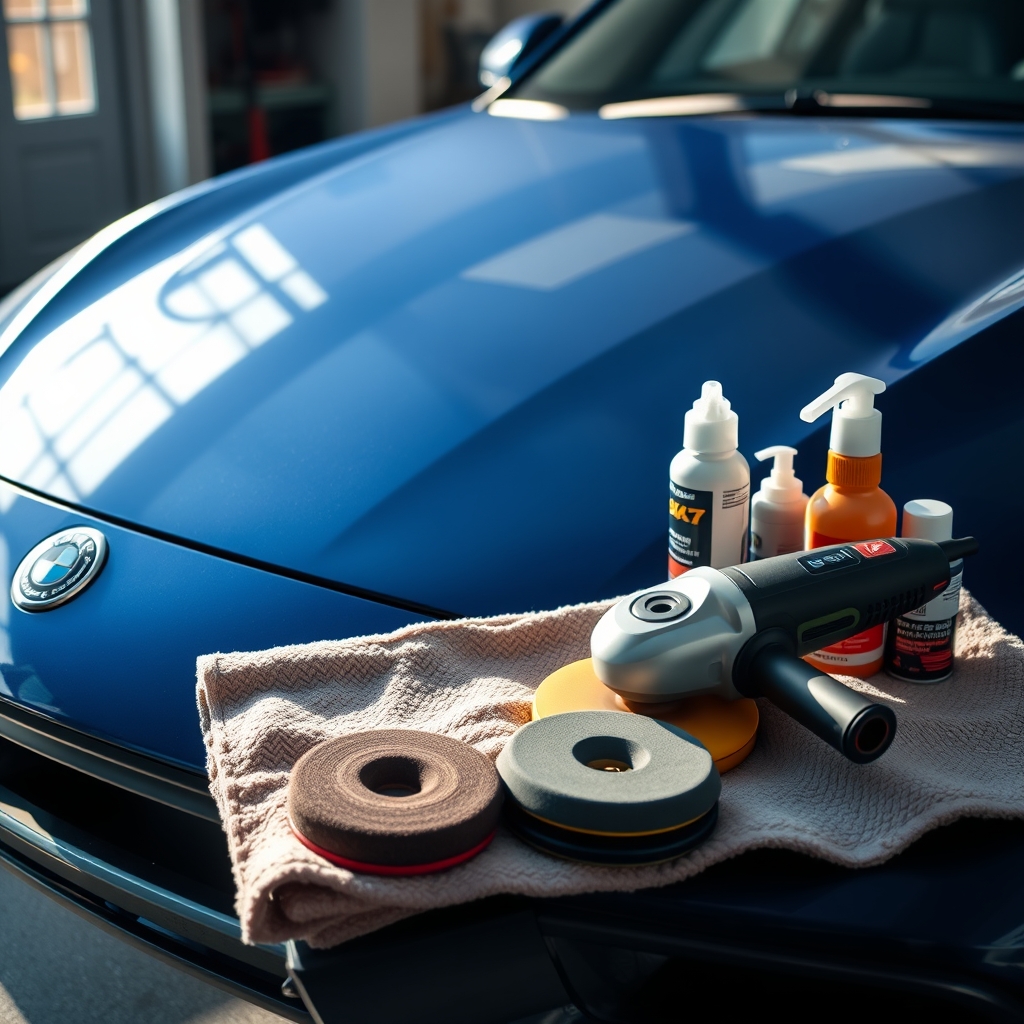
Key benefits all beginners get with a DA polisher:
- Great for removing visible swirls, minor scratches, and oxidation without the steep learning curve.
- Multi-purpose: Ideal for applying waxes, sealants, and finishing polishes too.
- Protected against beginner mistakes—random orbital motion disperses heat, so you’ll almost never burn through clear coat.
For those also interested in the final paint protection step, see how a ceramic coating kit for beginners can further lock in your results.
Step-by-step guide: Getting started with your DA polisher
- Unbox your DA polisher starter kit: Confirm it includes your polisher, at least one cutting pad and one finishing pad, compatible backing plates, pad conditioner, microfiber towels, and compatible compounds suited to your clear coat type.
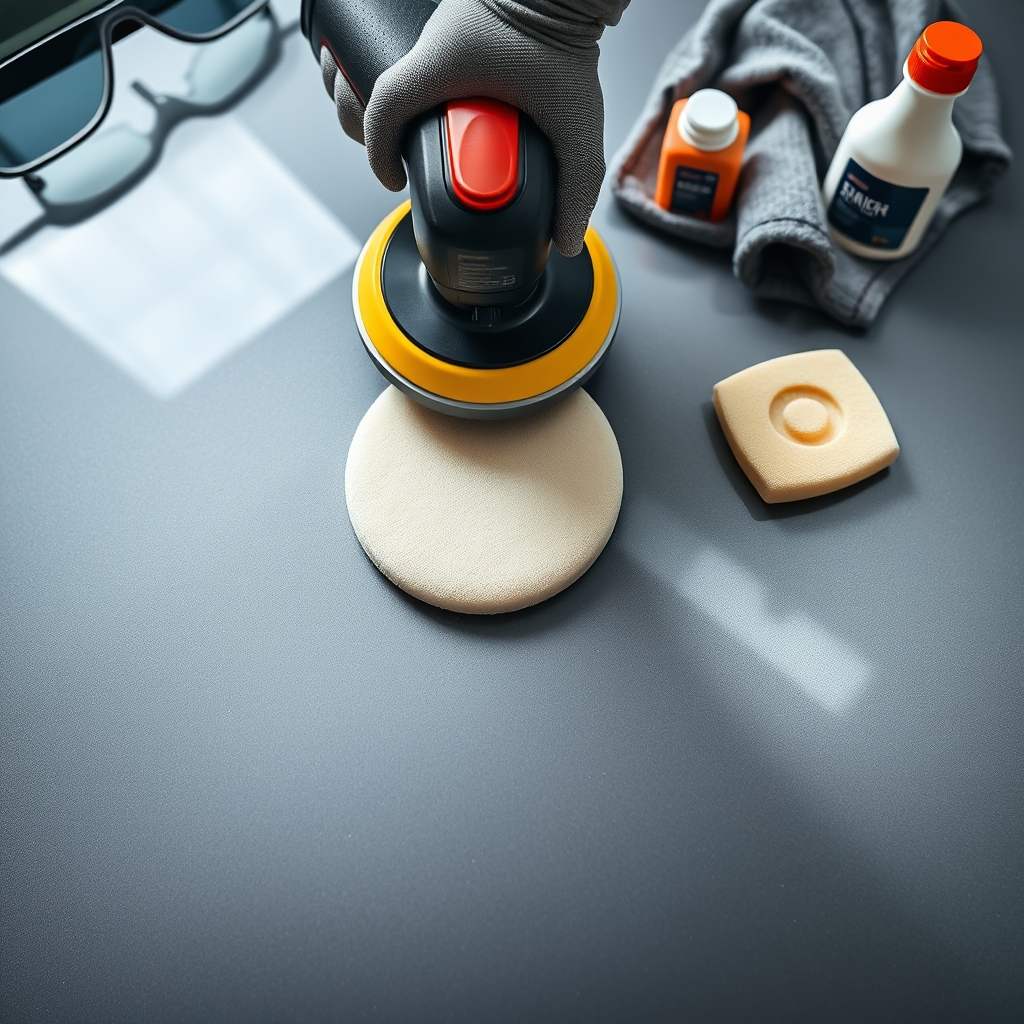
- Select and attach the right pad: Use a medium-cut foam (or microfiber) pad for paint correction. Ensure the pad perfectly matches your backing plate size for safe edge control.
- Prime the pad: Apply a few pea-sized drops of compound to the pad and gently spread it on the panel before activating the tool, helping prevent dry-buffing and pad scorching.
- Set your speed: For most DA polisher beginners, start at the lower end of variable range—typically between 2,000 and 4,000 rpm—to balance correction and safety. Increase only if the correction is insufficient, never exceeding the pad’s rated speed.
- Work one panel at a time: Move the polisher slowly (about 1 inch per second), overlapping each pass by 50 percent. Keep the polisher moving and maintain light, even pressure. Never tilt the pad or let it sit stationary—constant motion is key to safety.
- Wipe away residue: Use a clean microfiber towel after every section, ensuring no abrasive dust is left behind to scratch the finish.
- Repeat as needed: For deeper defects, perform a second pass with fresh product. For final gloss, switch to a softer finishing pad and a less aggressive polish in your DA polisher starter kit.
If you’re prepping for additional paint protection, learn about clay bar car wash before wax—an essential first step before polishing and sealing for optimal results.
Advanced analysis & common pitfalls with DA polishers
While a dual action polisher is much safer for a beginner, there are still important tradeoffs and potential issues to understand. Let’s dive into the real-world limitations, complaints, and how DA polishers compare to rotary machines over several key factors.
| Feature | Dual Action Polisher | Rotary Polisher |
|---|---|---|
| Safety for Beginners | Extremely high – minimal risk of burning | Low – burns, holograms, and paint-through are common mistakes |
| Learning Curve | Short – easy to master basic techniques | Long – requires coordinated movement and experience |
| Cutting Power | Moderate (excellent for swirls/light scratches) | High (removes deep scratches quickly) |
| Heat Generation | Low – distributes heat evenly | High – concentrated spot heating is a real risk |
| Fatigue & Vibration | Present but lessened in quality models | Can be less, but heavier and riskier to use |
| Finish Quality | Glossy, swirl-free, safe for all paints | Can be glossier but prone to more errors |
Common beginner complaints & pitfalls:
- Lack of correction power: Cheap DA polishers (often under $100) frequently underperform on heavy scratches. Their small pad throw (typically 6–12 mm) results in slower correction, and their motors may bog down under pressure.
- Vibration and fatigue: Extended use of a low-cost DA can cause hand/wrist fatigue due to vibration. Entry-level models without vibration dampening make long sessions uncomfortable.
- Pad wear and overheating: Running the machine at max speed or using the wrong pad/compound combo leads to premature pad failure and, rarely, edge burning—even on DAs.
- Unrealistic expectations: Many think a DA will remove all defects in one pass. In reality, DAs are best for maintaining good paint and fixing light to moderate imperfections.
To safely maximize correction, always choose cutting pads and compounds made for DA polishers. Need a breakdown of pad types? Check out our deep dive in car paint correction for black cars.
Price ranges: What do you get for your money?
- Ultra-budget ($65–120): Units like the Harbor Freight Bauer DA are popular on forums. Expect lower wattage, small pad throw, more vibration, and shorter lifespan. Fine for rare use, but not ideal if you want lasting reliability or faster results.
- Mid-range ($200–350): These DA polishers (e.g., Auto Finesse MPX/DPX, Griot’s G9, or Meguiar’s MT300) deliver 600–800W motors, ~15 mm pad throw, variable speed (1,000–8,000 rpm), positive/forced rotation, low vibration, better ergonomics, and warranties—trusted by the majority of dual action polisher beginners for a reason.
If you’re weighing everyday swirl removal versus advanced paint correction, remember that most beginners will get fast, safe results from a mid-range DA. Only step up to a rotary polisher or forced rotation DA after you’re confident and want more aggressive correction.
Want a full comparison of modern waxes versus sealants for post-polish protection? See our honest car wax vs sealant guide for daily drivers.
Top burn risks – and how to prevent them:
- Never let the pad sit stationary on one spot—keep it moving at a slow, even pace.
- Stay within the recommended speed range (usually 1,000–8,000 rpm for DAs) based on your pad’s rating and defect severity.
- Do not overload compounds—too much can clog the pad and generate heat. Very light pressure is enough; pressing harder does not improve correction, but raises burn risk.
- Moisten foam and microfiber pads with a conditioning spray before each job to prevent dryness and keep friction low.
- Use a compatible backing plate (matching your pad diameter exactly).
These anti-burn habits work hand-in-hand with a great starter kit and setup. For specific product recommendations, our foam cannon car wash guide covers pre-polish prep essentials.
What most articles on DA polishers miss:
- Exact motor wattage, throw, and variable speed specs—key for predictable performance. Many review sites just say “good for beginners” without listing the numbers.
- Importance of positive/forced rotation (the “gear-driven” DA option) for faster correction in less time, safer than rotary.
- Longevity, warranty, and part availability by price point (mid-range wins here).
- Clear pairings for pads and compounds—beginners often guess and end up with subpar results. Always buy named DA polisher cutting pads that match your expected paint type and defect level.
- Fatigue and vibration isolation features—weight, grip size, and handle flexibility matter in long sessions. Don’t overlook this if you plan to detail more than twice a year.
Conclusion: Making your first DA session count
Starting out with a dual action polisher beginner kit is the safest route to paint correction and gloss enhancement for modern vehicles—without a punishing learning curve. The combination of 600–800 W motors, ~15 mm orbit throw, variable speeds, great ergonomics, and purpose-built DA polisher cutting pads means you’ll avoid paint burn, reduce fatigue, and get fast, visible improvements.
The best results come when you pair a quality DA, purpose-matched pads, and the right compounds in a starter kit—skipping the cheapest dual action polisher alternatives that trade off too much in performance or durability. For your first project, stick to the standard workflow: correct with a cutting pad and mild compound, finish with a soft pad and polish, and always keep the pad moving at a recommended speed. Add in solid prep (such as clay bar for swirl marks removal) and post-polish protection, and you’ll quickly outrank even professional detailers with your results.
The dual action polisher beginner toolbox is more complete—and more affordable—than ever. Start with a proven kit, learn the basics, and your paint will thank you for years to come. Ready to upgrade your garage? Explore our paint correction for black cars guide or check out kits in the reviews linked above and level up your detailing journey now.
Frequently asked questions
Why is a dual action polisher safer for beginners than a rotary?
A DA polisher’s random orbital action spreads heat and friction across a wider area, dramatically lowering the risk of burning paint or leaving swirl marks. Rotary machines generate much more heat in one spot and demand constant motion and experience to avoid errors.
What should a DA polisher starter kit include?
A complete kit should include: one DA polisher (ideally 600–800 W, 15 mm throw), a medium-cutting pad, a finishing pad, backing plate, compatible compounds and polishes, microfiber towels, pad conditioner, and basic PPE (mask, glasses, gloves). Buy named DA polisher cutting pads to match the kit.
Can a DA polisher remove deep scratches?
Most DAs can remove light to moderate swirls and scratches. For deep defects through the clear coat, even the best DA polisher for beginners may struggle—safe removal often requires a rotary or professional intervention. Test first with a mild compound and pad.
How do I keep from burning or damaging paint with my DA polisher?
Keep the pad moving at all times, stay within the recommended speed range, use only light pressure, don’t overload the pad with compound, and choose pads/compounds rated for DAs. A positive drive or forced rotation DA adds safety while correcting faster.
Is a more expensive DA polisher worth the upgrade over the cheapest models?
Yes, mid-range units ($200–350) offer more powerful motors, better pad throw, greater ergonomics, lower vibration, and valid warranties. Ultra-budget units can work but tend to tire you out, take longer, and may fail faster or deliver subpar correction.