

Foam cannon car wash kits are now the must-have upgrade for at-home detailers who want thick, swirl-free suds and pro-level cleaning without the repeat expense or hassle of bad fits and runny foam. If you use a medium-duty electric pressure washer and have ever been frustrated by watery foam or accessories that simply do not fit, this guide is for you. Here is what you need to know—and exactly how to get consistent foam and the right kit the first time.
Key Takeaways
- Check your pressure washer’s PSI/GPM and connection type before buying any foam cannon kit to avoid costly incompatibility and poor foam.
- Dialing in the foam cannon soap ratio—and water temperature—dramatically changes wash power and foam thickness, saving money on soap and time per wash.
- Choose a foam cannon kit with rebuildable, stainless or brass internals and standardized quick-connects for superior longevity and consistent, satisfying foam every time.
- 2024 market snapshot — why foam cannons are mainstream now
- How to Choose and Use a Foam Cannon Car Wash System (Step-by-Step)
- Advanced Analysis & Common Pitfalls: Avoiding the Main Mistakes
- Conclusion
- FAQ: Foam Cannon Car Wash Troubleshooting & Advice
2024 market snapshot — why foam cannons are mainstream now
The last three years saw a major shift in what at-home car enthusiasts expect from their wash routine. The global foam cannon car wash accessory market is growing by 11 to 12 percent per year (2021 to 2024), pushing sales toward $1.2 billion, with surge demand from the DIY segment and small detailing shops. Online retailers, led by Amazon, report a 27 percent year-over-year jump in foam cannon kit with pressure washer unit shipments. About 38 percent of American pressure washer owners now own a foam cannon, chasing faster, “touchless” washing and fewer swirl marks.
But with this popularity comes hundreds of new choices, and an explosion of cheap imports. Customers now face more options—but often more complaints: runny or low-density foam, poor fit with standard pressure washers, and leaky plastic or brass fittings. This makes careful selection more important than ever. Still, the performance gains are real: thick foam encapsulates dirt, reducing swirl risk and cutting down on labor.
Want the perfect start before you add a foam cannon? Read our proven clay bar car wash before wax guide.
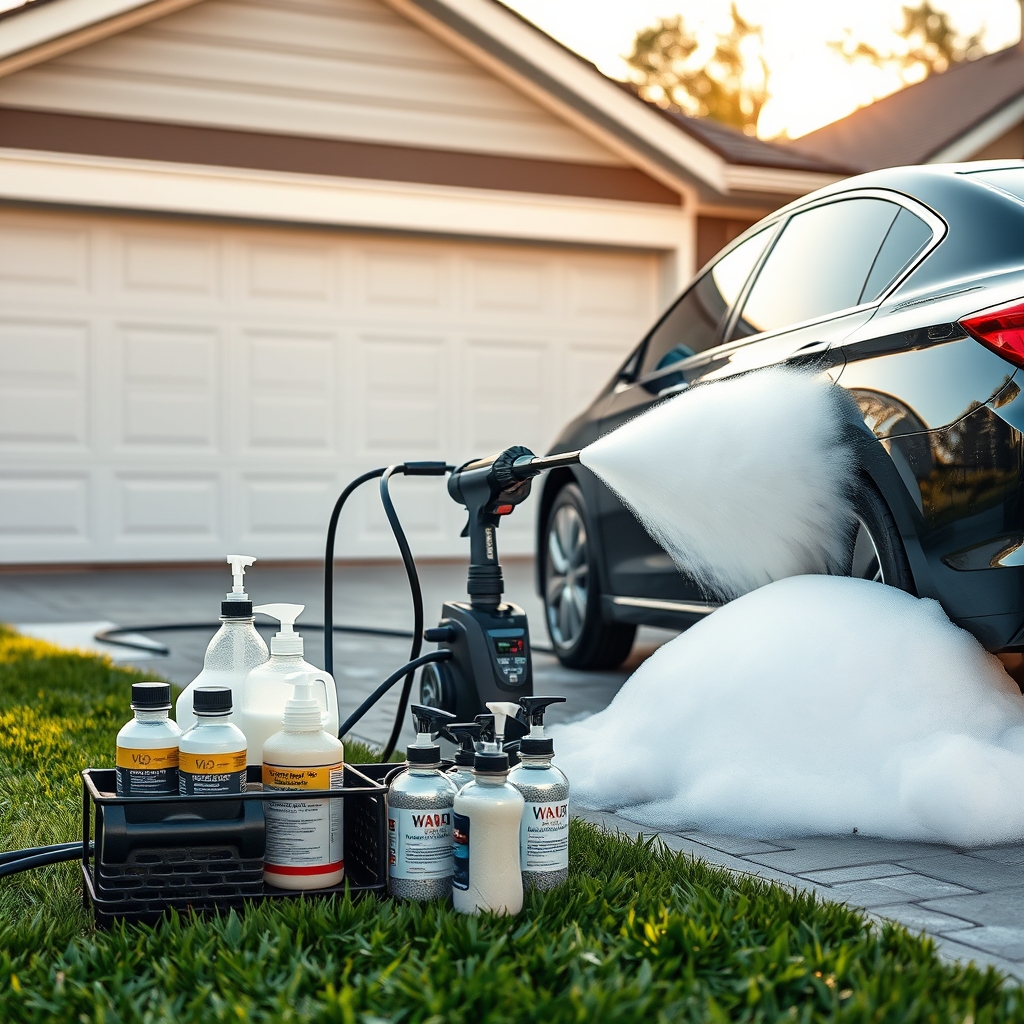
How to Choose and Use a Foam Cannon Car Wash System (Step-by-Step)
- Confirm Your Pressure Washer Specs
- Check your washer’s PSI (target: 2000 to 3500 PSI for best foam density) and gallons per minute (GPM 1.4 to 2.5 is typical). Under 2000 PSI? Expect less “shaving cream” foam and more watery coverage.
- Note the connector type: Is it a common 1/4-inch quick-connect, M22, or something else?
- Compare Foam Cannon vs Foam Gun
- Foam cannon (pressure washer) delivers denser, clingier foam—ideal for Mike’s driveway detail or full wash. Foam guns attach to a garden hose—not as thick, but easier for occasional light washes or where no power washer is handy. See our table below for a full breakdown.
- Double-Check Compatibility
- Match the quick-connect thread, check orifice size (1.1 mm for lower PSI, 1.25 mm for 2000+ PSI). Using a foam cannon pressure washer attachment that’s too big or too small massively reduces foam output.
- If you suspect a non-standard washer, bring the spray gun to the store or compare threads closely before buying. Many user complaints are due to mismatch here, not the device itself.
- Pick the Right Technical Specs
- Reservoir size: 1-liter or larger avoids mid-wash refills.
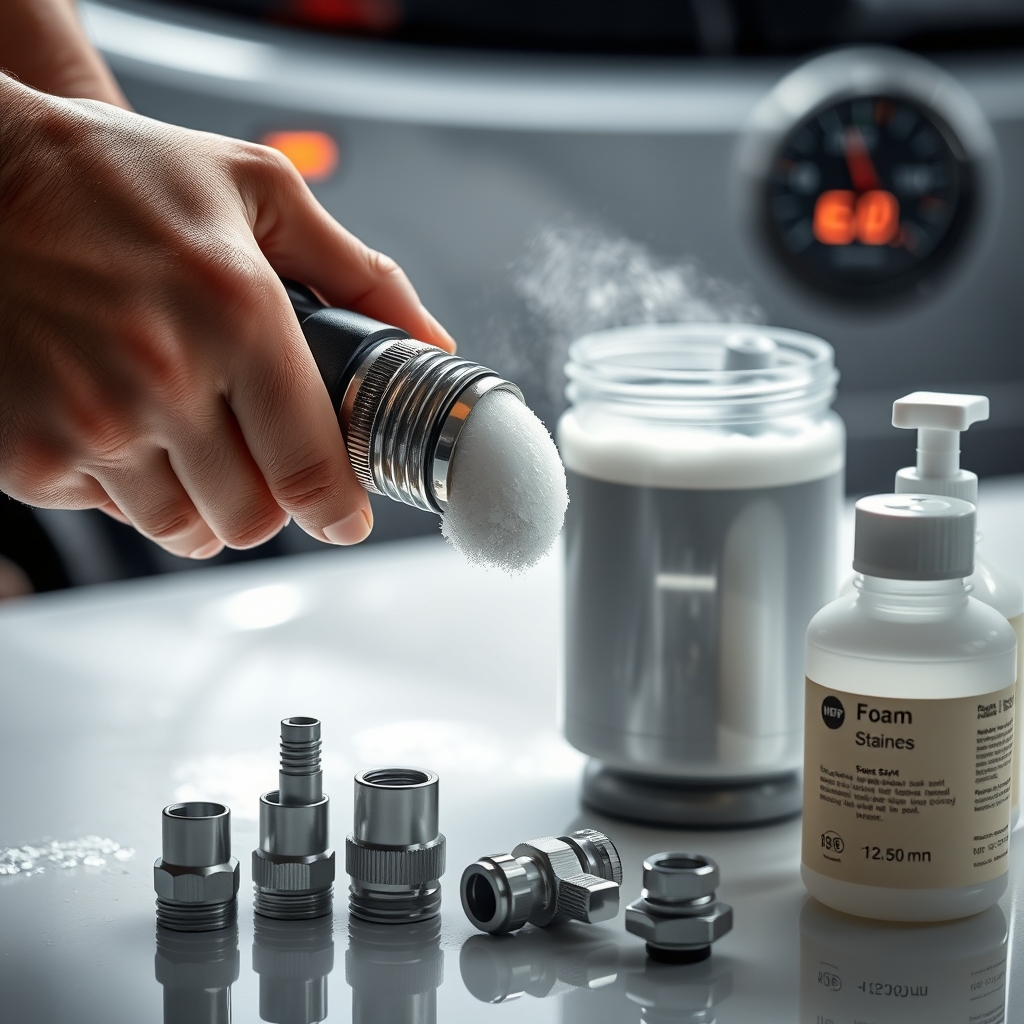
- Materials: Stainless or full-brass internals strongly outlast plastic or plated brass. Check if the cannon is “rebuildable”—replacement seals and nozzles save money long-term.
- Tip/Nozzle: Does it come with multiple metering tips for different PSI? Metering tips allow you to tune foam thickness for your soap and washer, vital for Mike’s setup.
- Dial in Your Foam Cannon Soap Ratio
- Start with manufacturer recommendation, then experiment. Example: 2–3 ounces of dedicated foam cannon car shampoo to 30 oz warm water is a safe start.
- Log each test with your specific soap, noting temperature used, foam thickness, and how much soap remains after rinsing.
- If you get runny foam, try more soap, slightly warmer water, or a smaller orifice tip.
- Test and Maintain
- Foam your whole car evenly, let dwell 2–4 minutes (do not let dry), rinse fully, then maintain by flushing the reservoir and cannon with clean water every use. This prevents soap crystallization and frustrating clogs or uneven pattern next wash.
Ready to finish protection after your wash is dialed in? See our expert tips on the best ceramic coating kit for beginners—with reviews under $50!
Advanced Analysis & Common Pitfalls: Avoiding the Main Mistakes
Even smart buyers—including experienced DIYers like Mike—run into the same set of headaches. Here’s a breakdown of major trouble spots, with practical fixes and troubleshooting guidance.
Foam Cannon vs Foam Gun: What Suits Your Detailing Style?
| Feature | Foam Cannon (Pressure Washer) | Foam Gun (Hose) |
|---|---|---|
| Required Pressure | Ideal: 2000–3500 PSI; under 2000 PSI = weak foam | Standard garden hose; no PSI/flow constraint |
| Foam Density | High (thick, clingy “shaving cream” foam) | Moderate-light (bubbly, wetter foam) |
| Best Use Case | Full vehicle, wheels, professional touch | Quick wash, light dirt, pre-rinse for daily driving |
| Connection Type | 1/4-inch quick-connect most common; variants exist | Standard garden hose thread |
| Typical Price | $30–$120 | $18–$45 |
Compatibility Issues: Low Pressure, Wrong Fittings, and Bad Orifices
- Incorrect PSI or GPM: Washers under 2000 PSI almost always produce less foam. Consider a 1.1 mm orifice and set expectations low for electric, low-flow models (source: Pittsburgh Spray Equipment).
- Non-Standard Connectors: Many complaints stem from M22, M14, or even proprietary connectors. Always confirm your washer gun and the kit use the same size or buy an adapter. Incompatibilities cause leaks—reducing PSI and foaming power drastically. (Industry research report).
Soap Ratios, Water Temperature, and Real-World Results
- Start with the cannon manufacturer’s dilution, but water temperature matters—cold water can leave foam drippy and surfactants inactive, using up more soap with poor results (source: Dr. Beasley’s guide).
- If the foam clings poorly, try less dilution, switch to warm water, or select a more concentrated soap. Write your results down for repeatable washes.
Looking to stretch your soap budget or go eco-friendly? Get real cost-per-wash breakdowns and see trade-offs in our graphene hydrophobic spray car protection guide.
Top User Complaints—And Fixes
- Runny, Drippy Foam: Caused by improper dilution, low water temperature, or a too-large orifice.
- Leaks and Failing Seals: Most common with cheap, plastic-heavy kits or mismatched quick-connects. Consider upgrading to a rebuildable, stainless/brass kit for long-term savings.
- Residue and Clogging: Not flushing the unit after use leads to stubborn clogs that block soap delivery the next wash. Always run clean water after each use (reference: MTM Hydro Parts).
Planning paint correction after cleaning? Read our authoritative guide on DIY paint correction for black vehicles—learn finish tips that save time and effort.
Conclusion
The path to a reliable foam cannon car wash at home is simple: Confirm your washer’s PSI and fittings, invest in build quality (not just a brand), and adjust your foam cannon soap ratio using test logs with your own equipment and water conditions. By choosing a compatible, rebuildable cannon and dialing in dilution, you avoid 90 percent of frustration and get pro-grade cleaning every time.
Skip the trial and error—pick your foam cannon kit with pressure washer compatibility checked, and enjoy dense foam, faster cleaning, and less soap waste. Ready to achieve consistent, pro-level foam at home? Start by confirming your washer’s specs or see our full checklist above.
FAQ: Foam Cannon Car Wash Troubleshooting & Advice
Why does my foam cannon produce runny, thin foam?
The most common causes are improper soap-to-water ratios (too diluted), low water temperature, or using a pressure washer with under 2000 PSI. Try using warm water, a 1.1 mm orifice tip, and adjusting the soap mix as a first step.
How do I know the foam cannon will fit my pressure washer?
Check that your gun uses a standard 1/4-inch quick-connect. If not, inspect the threading (M22, M14 or proprietary). Bring your old sprayer to the store if unsure, or order an adapter online. Check reservoir and gun tip compatibility as well.
How much soap should I use for each wash?
Start with the foam cannon or soap manufacturer’s recommendation (often 2–3 ounces per 30 oz water). Fine-tune by logging foaming results at different ratios and temperatures to find the ideal mix for your specific conditions.
Can I use any car shampoo, or do I need special foam cannon soap?
Most regular car shampoos work but dedicated foam cannon car shampoo delivers thicker, longer-lasting coverage and is easier to rinse. For the slickest, swirl-free wash, use a soap with concentrated surfactants and low residue.
What maintenance does a foam cannon need?
Always flush the reservoir and run clean water through the cannon after every wash to prevent clogging or residue. Dry thoroughly, inspect seals, and replace them if leaks develop. Consider moving up to stainless rebuildable kits for best longevity.