

waterless car wash spray is transforming how time-pressed urban drivers, fleet managers, and green-minded car owners keep vehicles spotless—delivering measurable water, time, and cost savings while raising new questions about paint safety, product choice, and best technique. In this practical guide, you’ll see exactly when waterless sprays outperform traditional washing, how to steer clear of common user mistakes, and how the right steps protect your finish and your budget.
Key Takeaways
- Switching to waterless car wash spray saves up to 150 gallons of water per wash and cuts operator costs by 35%–42%—especially for fleets and city drivers.
- Paint-safety issues and residue are almost always preventable with the right product, towel technique, and by avoiding heavily soiled surfaces.
- Best results—and long-term savings—come from using high-lubricity formulations, quality microfiber, and a clear workflow that maps to your use case.
- Market Snapshot — Size, Growth and Where Adoption Is Strongest
- Why Waterless Makes Economic Sense — Water, Time and Operating Cost Savings
- Waterless vs Traditional Washing — Effectiveness, Tradeoffs and When to Choose Which
- Most Common Complaints and How to Avoid Them (Paint Safety, Streaking, Residue)
- What Differentiates the Best Waterless Car Wash Products — Ingredients & Formulations
- Average Cost per Wash — Waterless Wash & Wax Versus DIY and Professional Traditional Washes
- Environmental Credentials — Certifications, Biodegradability and Scientific Verification
- Using Waterless Sprays in Urban Apartments — Practical Challenges & Solutions
- Tactical How-to: Step-by-Step Method and Product/Towel Checklist to Avoid Scratches and Residue
- Buyer’s Checklist and Use-Case Recommendations
- Quick Reference: Dos & Don’ts, Troubleshooting Table and When to Choose a Pro Wash
- Conclusion
- FAQ
Market Snapshot — Size, Growth and Where Adoption Is Strongest
The global market for waterless car wash spray is valued at about $1.2 billion in 2024 and growing at a robust 9% compound annual rate through 2031. Adoption is highest in Europe due to strict environmental policies in Germany, France, and the UK, while China and India in Asia-Pacific are experiencing the fastest market growth. Steady demand continues in North America, especially with the surge of on-demand and mobile detailing services, now in over 450 metropolitan areas globally.
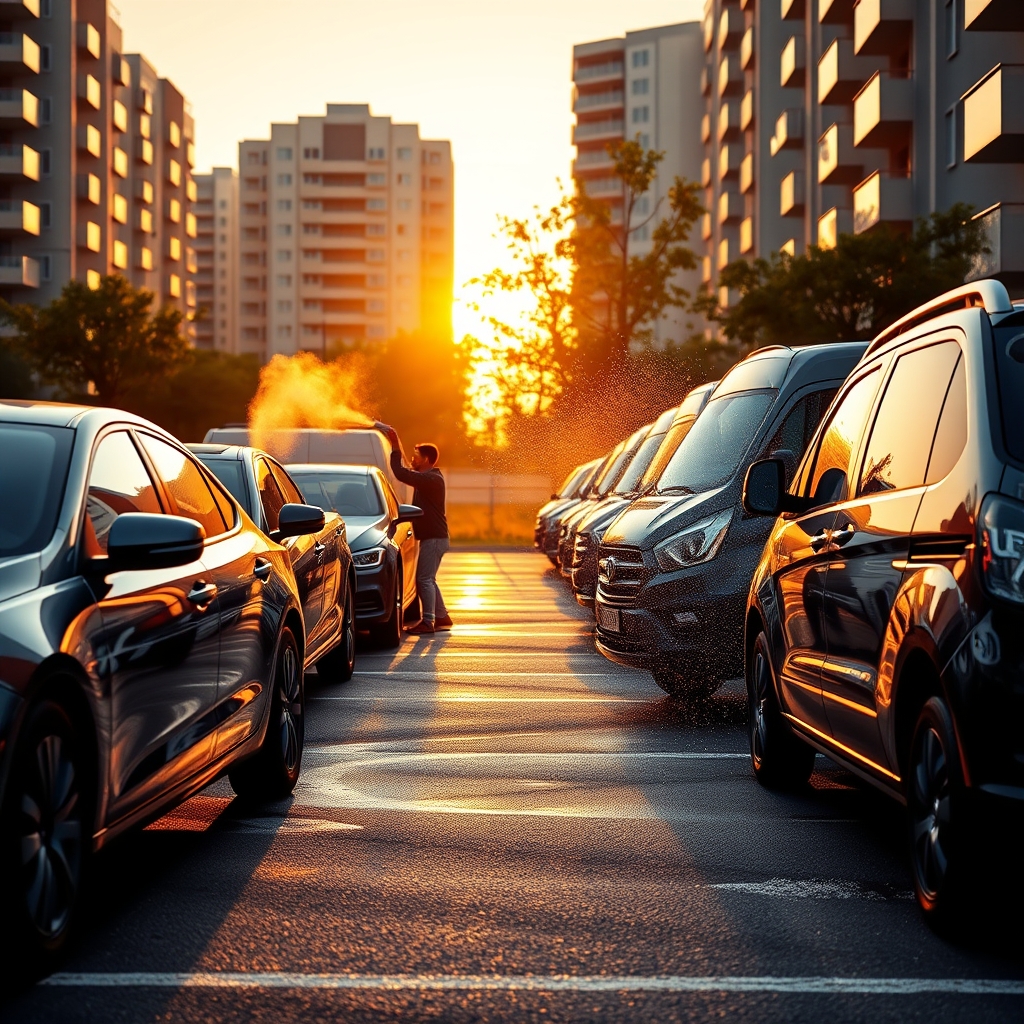
Market expansion is being driven not just by urban single owners but also by commercial operators, rideshare and fleet managers, and increasingly eco-savvy consumers responding to regulatory pressures and water usage restrictions. For further trends, see the 2024–2032 global waterless car wash business report (CarwashPro).
Why Waterless Makes Economic Sense — Water, Time and Operating Cost Savings
Traditional car washes typically consume 140–150 gallons of water per vehicle, alongside wastewater fees and chemical management. By contrast, waterless wash and wax products require zero water. Fleet operators converting to waterless car wash spray solutions report daily savings of 2,000–3,000 gallons and yearly savings between 730,000 and 1,095,000 gallons—a 100-car fleet can save over 14–16 million gallons every year, translating to $50,000–$80,000 in regional water costs alone. With water restrictions tightening in major cities, these savings are taking center stage for both financial and regulatory reasons. Individual users benefit too, as each wash can cost 35%–42% less and take 20–30 minutes instead of 45–60 minutes.
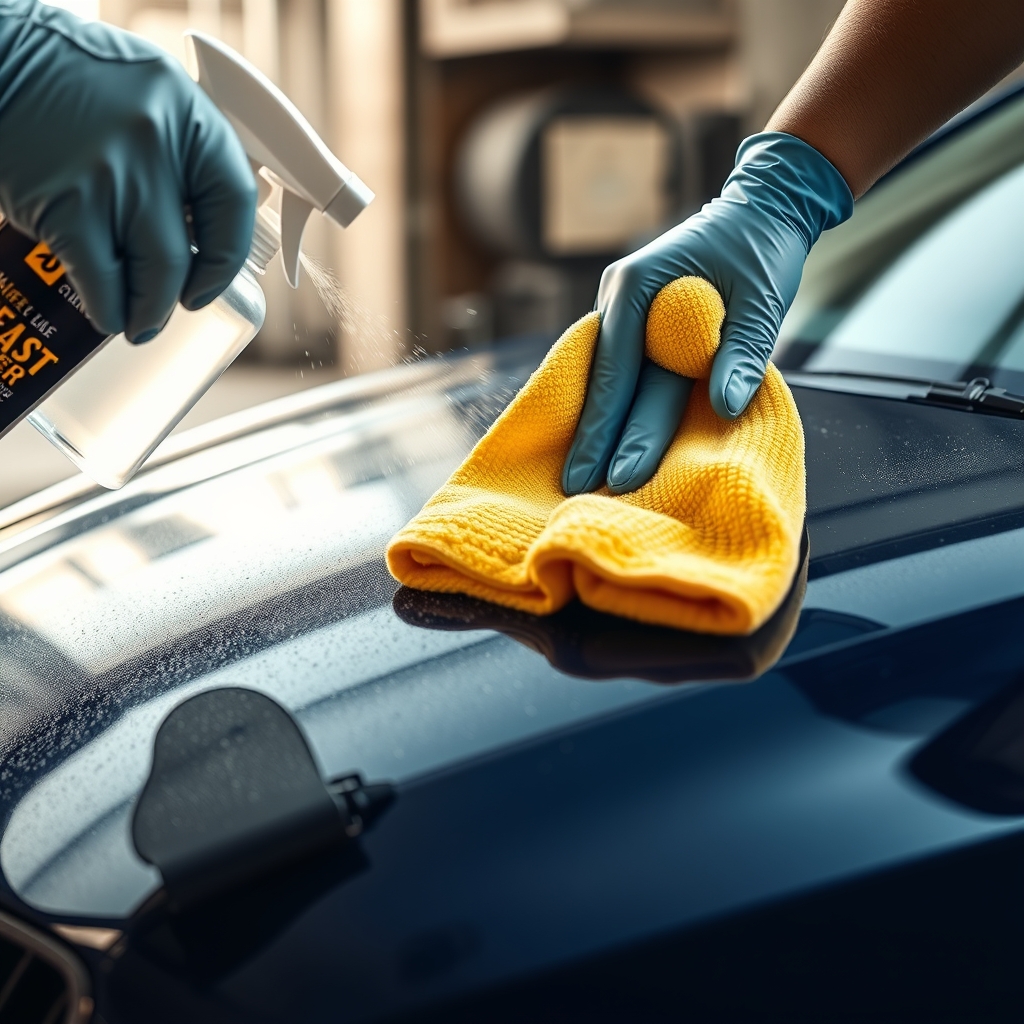
Case vignette: An urban rideshare driver using waterless wash and wax twice weekly spends 60 fewer hours a year on cleaning and saves 15,000 gallons of water—extending their vehicle’s uptime and lowering both utility and cleaning costs.
Looking for ways to push operating cost savings even further? See our guide on comparing foam cannon vs waterless car wash systems for home users.
Waterless vs Traditional Washing — Effectiveness, Tradeoffs and When to Choose Which
Switching from traditional to waterless car wash vs traditional methods isn’t always straightforward. Waterless products excel for lightly to moderately dirty vehicles, regular touch-ups, and situations where water is restricted. They drastically reduce wastewater, eliminate heavy equipment, and are safe for frequent use when applied properly.
| Criteria | Waterless Car Wash Spray | Traditional Car Wash |
|---|---|---|
| Water Use | Zero gallons per wash | 140–150 gallons per vehicle |
| Effectiveness (light/moderate soil) | Excellent | Excellent |
| Effectiveness (heavy grime) | Not recommended | Best method |
| Convenience (urban use, apartments) | Very high | Often restricted |
| Paint Safety (with correct use) | Safe for paint | Safe for paint |
| Common Pitfalls | Micro-scratches if misused | Water spots, runoff issues |
| Average Time Needed | 20–30 min | 45–60 min |
When vehicles are heavily soiled (caked mud, abrasive grit, de-icing salt), stick with a full foam pre-wash or even a high-quality clay bar session to protect your paint—see our step-by-step clay bar guide for best practices. Save the waterless method for maintenance cleans and city dust.
Most Common Complaints and How to Avoid Them (Paint Safety, Streaking, Residue)
Despite growing popularity, reviews frequently report paint micro-scratches or swirl marks, streaking, wax-like residue, and hazy films. Yet, these issues almost always result from using waterless sprays on heavily soiled surfaces, using poor-quality towels, over-application, or failing to buff properly.
- Paint Safety: Is waterless car wash safe for paint? Yes—with the right towel and technique. Only use on light to moderate dust and dirt. Heavily soiled panels will grind embedded grit into paint, risking scratches.
- Streaking & Residue: Over-applying the spray, using dirty towels, or using low-grade microfibers often leaves streaks and residue. High-lubricity formulas and premium 300+ GSM towels deliver the best results.
- Product Choice: Poorly formulated sprays (low in lubricants or polymers) may not encapsulate dirt, increasing scratch risk. Opt for brands with a record of performance and safety.
For handling minor swirl marks, learn when a paint correction polish is justified after repeated waterless use.
What Differentiates the Best Waterless Car Wash Products — Ingredients & Formulations
The best waterless car wash products stand out for their high-lubricity, surfactant blends and protective polymers or waxes. Many leading brands have shifted toward biodegradable, low-VOC ingredients—an important differentiator for commercial users and eco-focused buyers. Concentrate versions cost less per ounce than ready-to-use sprays, but require careful dilution. Car and Driver testing confirms all major brands can perform well, but some formulas offer superior cleaning or gloss depending on your needs (Car and Driver, 2024).
- High-Lubricity Sprays: Most effective for preventing micro-scratches.
- Polymer/Wax Additives: Boosts shine and short-term protection but may increase residue risk.
- Concentrates vs Premix: Concentrates cheaper per wash, best for fleets or frequent users.
- Biodegradable Formulas: Preferable for regulatory compliance and sustainability initiatives.
If you want to extend protection, explore DIY ceramic coating kits—a popular next step beyond traditional wax-included waterless sprays.
Average Cost per Wash — Waterless Wash & Wax Versus DIY and Professional Traditional Washes
Here’s how real-world costs stack up:
- Waterless Wash (DIY): 4–6 ounces per wash (~$0.50–$1.50 in product), microfiber towel wear (~$0.20 per use), and 20–30 minutes of labor.
- Traditional DIY Wash: Water costs ($0.20–$0.60), detergent, PPE, and typically longer prep/cleanup.
- Drive-Through/Hand Wash: $8–$25 per basic service, not including time spent waiting or vehicle downtime.
Switching to waterless wash and wax delivers 35%–42% operating cost cuts for fleets and a much lower per-wash outlay for private users—especially in regions with high water rates or pressure from local ordinances.
For even better cost/protection ratios on black or dark vehicles, try a graphene detailing spray on top of your waterless routine.
Environmental Credentials — Certifications, Biodegradability and Scientific Verification
Eco waterless car wash options now routinely feature independent test claims such as ASTM/ISO certification, third-party eco-labels, and transparent statements about biodegradability and VOC content. European regulations are pushing a market-wide migration to certified low-impact chemistry, encouraging both commercial and consumer buyers to scrutinize green claims and avoid “greenwashing.” For compliance-oriented operators and apartment users, verified eco waterless car wash products are now the norm, not the exception (Source: Future Market Insights).
- Look for: “Biodegradable,” “Low-VOC,” recognizable certifications (EcoLabel, Green Seal, Safer Choice, etc.).
- Caution: Vague marketing without real evidence or test results.
Using Waterless Sprays in Urban Apartments — Practical Challenges & Solutions
Living in a city or apartment means zero access to hoses, frequent parking garage dirt, ventilation concerns with aerosols, and rules against runoff. Waterless car wash urban apartment kits are tailor-made for these constraints. Go for unscented or low-odor sprays, compact packaging, and quick-dry microfibers. Work in short sessions (clean one section at a time), and dispose of towels responsibly. Check local bylaws for non-water-based cleaning; most cities restrict outdoor washing with runoff, but waterless products are often permitted.
Mobile detailers operating in 450+ metro areas can provide eco-friendly, waterless cleaning at your building if space or time is too tight.
Tactical How-to: Step-by-Step Method and Product/Towel Checklist to Avoid Scratches and Residue
- Inspect the vehicle: Only use waterless spray if there is light/moderate dust. Heavy mud, grit, or salt? Defer to a traditional wash.
- Pre-treat spots: Target bird droppings or bugs with extra spray and wait 30 seconds.
- Apply spray: Mist the product generously on a section (2×2 feet at a time).
- Microfiber action: Use a clean, folded 300+ GSM towels. Wipe lightly in one direction, flipping to a clean side as soon as the towel looks dirty.
- Buff: Immediately follow with a separate, dry microfiber towel for a streak-free finish.
- Work in shade: To reduce product drying too fast or leaving film.
- Essential checklist: High-lubricity spray, at least 3–4 clean microfibers per vehicle, gloves or PPE if sensitive to chemicals, storage bag or box for kit.
According to Car and Driver and several major detailers, virtually all best waterless car wash products perform safely when towels and workflow are followed faithfully. For prepping especially delicate paint, consider doing a clay bar decontamination first; see our explanation here: how to use a clay bar on a car.
Buyer’s Checklist and Use-Case Recommendations
| User Type | Recommended Product | Accessories Needed |
|---|---|---|
| Urban/Apt Dweller | Premix spray, low/unscented formula | 3+ premium microfiber towels, PPE if spraying indoors |
| Rideshare Driver | Premix or concentrate with wax; interval-based cleaning | Storage caddy, quick-dry microfibers |
| Fleet/Commercial | Concentrate for best dollar-per-wash | Bulk towels, robust spray bottles, PPE, logbook |
| Detailing Hobbyist | High-lubricity polymer-rich blend | Towel set, paintwork inspection lamp, optional clay bar |
- Concentrates give the lowest per-wash cost, ideal for frequent users or small fleet ops.
- For less than 15 vehicles/month, consider premix for simplicity.
- Every user: 3–4 microfibers per wash, ventilated area, and easy-access storage.
To push gloss even further, add a DIY paint correction kit before regular waterless maintenance.
Quick Reference: Dos & Don’ts, Troubleshooting Table and When to Choose a Pro Wash
- DO: Only use on lightly soiled surfaces, pre-treat stubborn spots, use high-quality microfiber, buff after wiping, and use in shade where possible.
- DON’T: Use waterless sprays on sand/road salt-caked cars, reuse dirty towels, let product dry on paint, or ignore towel rotation.
- Troubleshooting Common Issues:
| Problem | Likely Cause | Solution |
|---|---|---|
| Streaks/haze | Over-application, slow buffing, dirty towel | Use less product, swap towels, buff immediately |
| Scratches/swirls | Dirty/marginal towel, applied to heavy dirt | Switch towels often, do traditional wash for heavy dirt |
| Sticky residue | Poor product, excessive use | Reduce spray, verify formulation, final buff |
- If dirt feels gritty or panels look caked, always opt for a professional or traditional wash over waterless car wash spray.
Conclusion
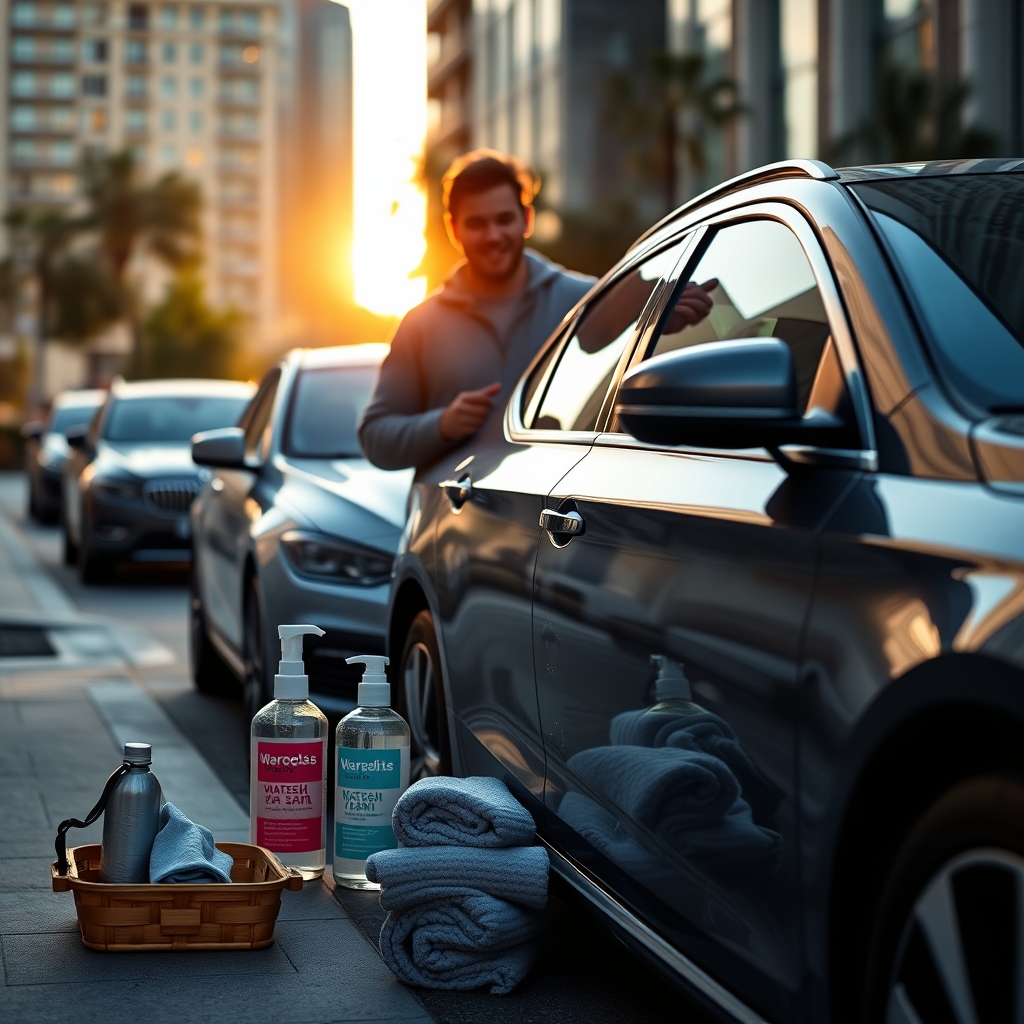
For single owners, rideshare drivers, fleet managers, and urban apartment dwellers alike, waterless car wash spray delivers major water and financial savings along with practical convenience. The key: choose the right formulation, pair with premium towels, follow a proven workflow, and avoid attempting a waterless wash on truly dirty vehicles. Try the best waterless car wash products for your use case—and see measurable gains in time, money, and paint protection. Start saving water, effort, and cost today.
FAQ
Can I use waterless car wash spray on a heavily soiled vehicle?
No. Heavily dirty or gritty surfaces risk scratching paint. Always wash off heavy mud, salt, or grit with water first, then use waterless spray for touch-ups.
How many microfiber towels do I need per wash?
Plan for at least three to four clean microfibers per vehicle; swap to a fresh side as the towel collects dirt.
Is waterless car wash spray safe for ceramic or graphene-coated cars?
Yes, if you select a neutral or compatible formula. For improved results, see our advice on maintenance after ceramic coating.
Can waterless wash and wax replace waxing?
It provides short-term protection and shine, but you’ll need periodic waxing or a higher-end coating for maximum durability.
What should I do if I accidentally scratch my paint with a waterless wash?
Minor swirls can usually be polished out. Review our paint correction tutorial for safe DIY solutions.