

Car wax vs sealant is one of the most common debates among detail-oriented daily drivers who want real-world paint protection in 2024. You want a solution that lasts, is straightforward to apply at home, and actually saves you time and money over a full year of washes — not just something that looks good for a few weekends.
Key Takeaways
- Natural carnauba wax offers affordable gloss but needs reapplication every 1–3 months; synthetic paint sealants deliver 4–6 (or up to 12) months of realistic protection for daily drivers.
- Sealants outperform waxes on durability, hydrophobicity, and UV resistance, but typically look cooler and can show streaks if the paint was not properly prepped.
- The best approach for most DIY daily driver owners in 2024 is a premium sealant, possibly topped with quick wax for extra gloss, with realistic, scheduled maintenance over time.
- Executive snapshot — car wax vs sealant in 60 seconds
- Durability comparison — proven month-by-month differences
- Real-world performance tests — what independent evaluations measure
- Best paint sealant of 2024 — realistic lifespan and expectations
- User complaints & regrets — what owners say after months of use
- Cost, effort and application time — realistic buy/install math
- What top articles miss — layering, maintenance routines, and longevity caveats
- Practical maintenance plan for daily drivers (schedule & steps)
- Top 3 expert recommendations for 2024 paint formulations
- Quick buying checklist and one-paragraph wrap
- FAQ
Executive snapshot — car wax vs sealant in 60 seconds
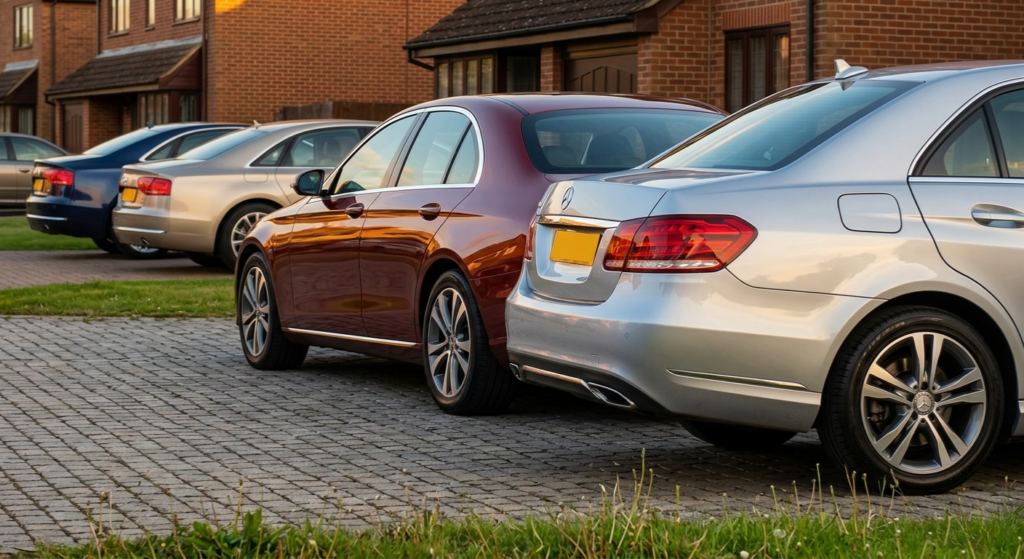
For 2024, natural carnauba wax is valued for its warm gloss but typically lasts 1–3 months before UV, washing, and heat break it down. Synthetic paint sealants, especially new polymer and graphene/ceramic-infused variants, last 4–6 months (mainstream) or 8–12 months (premium), with the strongest 2024 products showing real-world protection for about 9–10 months even with daily driving and regular washes. If you need frequent reapply and prioritize that “show car” look, wax is for you; if you want set-and-forget, cost-effective year-round defense, sealant is the better fit for the daily driver — the tradeoff comes down to gloss warmth vs. outright longevity and maintenance frequency.
Durability comparison — proven month-by-month differences
How long will your paint protection last between reapplications? Here are the real numbers for daily-driven cars in 2024 based on independent research:
- Natural carnauba wax: 1–3 months (6–12 weeks), shorter in harsh UV/sunny climates, with initial gloss lost after 1–2 washes.
- Mainstream synthetic sealants: 4–6 months on average with weekly washes and outdoor parking.
- Premium graphene/ceramic-infused sealants: 8–12 months, with the best 2024 product holding 9–10 months before visible water beading loss or contamination.
“Lasts X months” usually means the product repels water and blocks contaminants for that period, but you’ll likely notice diminished beading, gloss, and a rougher surface before total failure. Protection may degrade before you see it with your eyes, so don’t wait for full breakdown to reapply.
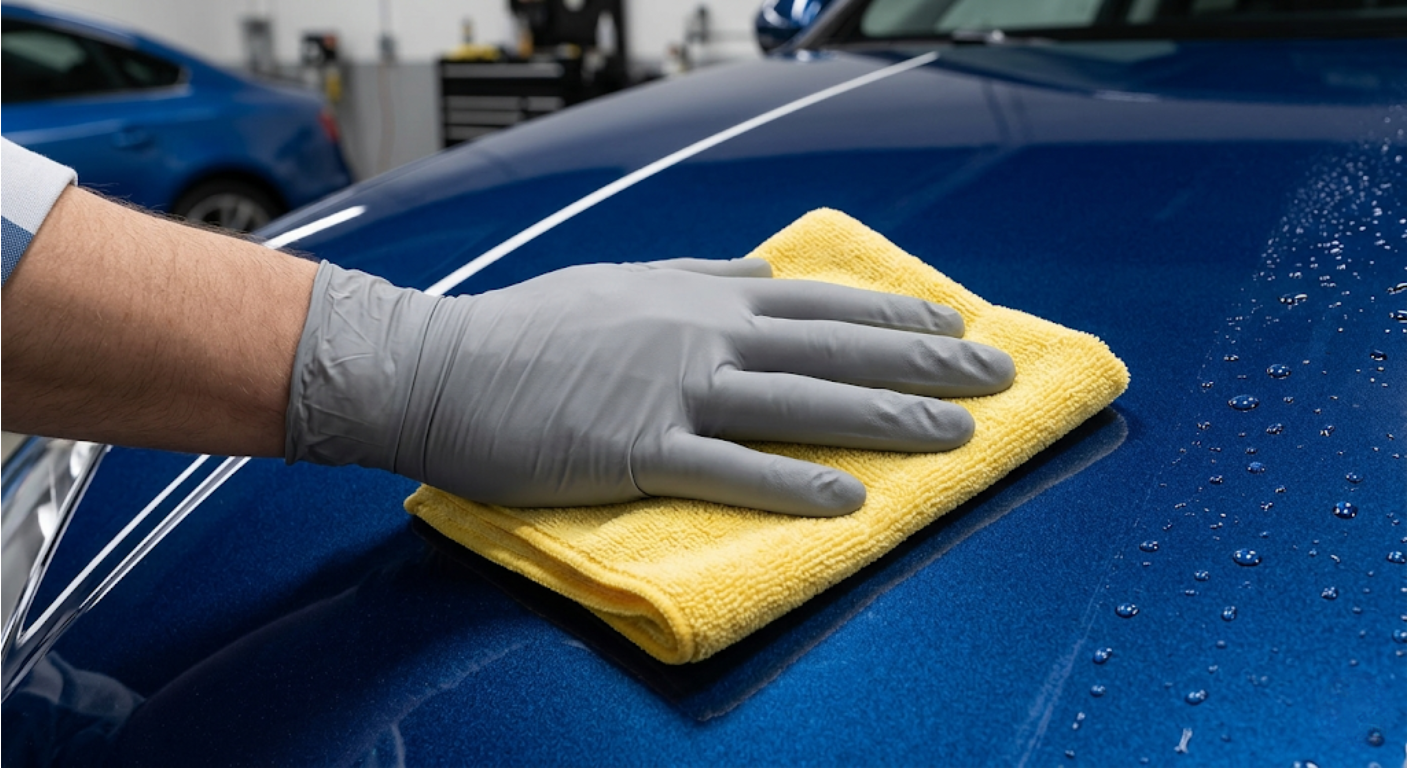
For those interested in even longer-term options, consider reading about DIY ceramic coating kits or graphene spray coatings — both outperform waxes and sealants, but involve more prep and cost.
Real-world performance tests — what independent evaluations measure
The most credible tests compare synthetic sealant vs natural wax for:
- Gloss retention: Sealants have a clear, “colder” shine; carnauba waxes provide that classic warm, deep gloss, but lose it as wax breaks down.
- Hydrophobicity: Sealants bead water at higher contact angles, meaning water sheets off faster and paint stays cleaner between washes. Waxes bead less tightly (source).
- UV resistance: Sealants hold up better against fading and oxidation — crucial for cars parked outside.
- Abrasion/wash cycles: Synthetic sealants survive far more washes before losing protection, while waxes start disappearing after a few.
| Feature | Carnauba Wax | Paint Sealant |
|---|---|---|
| Typical Durability | 1–3 months | 4–6 months (Premium: 8–12 months) |
| Gloss | Warm, deep | Clear, bright, cooler hue |
| Ease of Application | Easy | Moderate (requires prep) |
| Protection Strength | Basic water/dirt | Superior contaminant, UV, wash resistance |
| Cost | £10–£30 | £20–£60 |
Multiple independent reviews confirm these patterns (source; source). Note that while both provide some protection, a sealant wins on every measurable outcome except for the unique cosmetic warmth of carnauba wax.
Best paint sealant of 2024 — realistic lifespan and expectations
The best car paint sealant 2024 can deliver around 9–10 months of strong water beading and contaminant protection with weekly hand-washing and everyday driving. What sets premium sealants apart:
- Advanced chemical formulation — usually with polymer, graphene, or ceramic infusion.
- Surface prep is crucial: washing, clay bar, solvent wipe, and sometimes light machine polish give maximum bond.
- Consistent maintenance washes and occasional spray toppers/boosters maintain gloss and protection between full reapplications.
If you want true year-round endurance that rivals entry-level coatings, go for a premium graphene or ceramic-infused sealant and don’t cut corners on prep. For more on surface preparation, see our best car paint correction guide.
Field results and industry tests agree: The best 2024 sealant holds up about 9–10 months for a daily driver, as long as you wash with mild soap and reapply spray toppers after every few washes. Want even longer? Check out a proper ceramic coating kit for up to a few years of real protection.
User complaints & regrets — what owners say after months of use
Here’s what experienced owners regret most after going the car wax or sealant route:
- Carnauba wax for daily driver: Frequent reapplication (often every 1–2 months), visible fading after just a handful of washes, rapid breakdown under direct sunlight, and tiring manual buffing process. People also complain about white residue on trim and wheels if not careful.
- Car wax vs sealant: Sealants eliminate a lot of the hassle, but owners note a “plastic” (cooler, bright) gloss compared to carnauba’s warmth, risk of streaks or hazing if the car paint wasn’t fully prepped, occasional issues with uneven application, and sometimes frustration at the higher initial price, even if the per-month cost is actually less.
A key lesson: No product is zero-maintenance — but the right choice and prep can prevent most regrets for daily driver use. If you want even less reapply fuss, explore modern waterless car wash sprays that work as toppers for sealants and waxes.
Cost, effort and application time — realistic buy/install math
Let’s break down both up-front and long-term costs and labor:
- Paint sealant vs carnauba wax — Price: Carnauba wax: £10–£30 for a jar (enough for 4–6 applications). Paint sealants: £20–£60 per bottle; premium options at the top end.
- Application ease and time: Wax: usually applies and buffs by hand with minimal effort in 30–45 minutes/coat. Sealant: moderate effort (requires cleaner, clay bar, possibly light polish) and takes 45–75 minutes/coat.
- Cost per month of protection: Although a sealant costs more up front, its 4–12 month durability means the monthly cost is lower than wax due to less frequent reapplication.
Sealant application requires more thorough prep but pays back with less work over a year. For a deeper look at preparing paint, read our foam cannon car wash guide and clay bar tutorial.
What top articles miss — layering, maintenance routines, and longevity caveats
Most web guides skip over these crucial realities:
- Layering multiple coats of wax or sealant is mostly wasted effort; the second layer seldom offers much more protection after full coverage is achieved (source).
- Maintenance washes every 1–2 weeks keep the protective layer healthy — neglecting washes speeds up breakdown of even the best sealant.
- Using a spray sealant topper or hybrid wax after each wash helps extend the main layer’s life, but won’t “reset” it.
- Poor surface prep (not washing or claying) will shorten any product’s service life dramatically; even premium sealants underperform on dulled, dirty, or oxidized paint (source).
- Climate matters: high UV regions and frequent washing accelerate the loss of both wax and sealant. Parking inside or under a cover helps preserve protection.
Practical maintenance plan for daily drivers (schedule & steps)
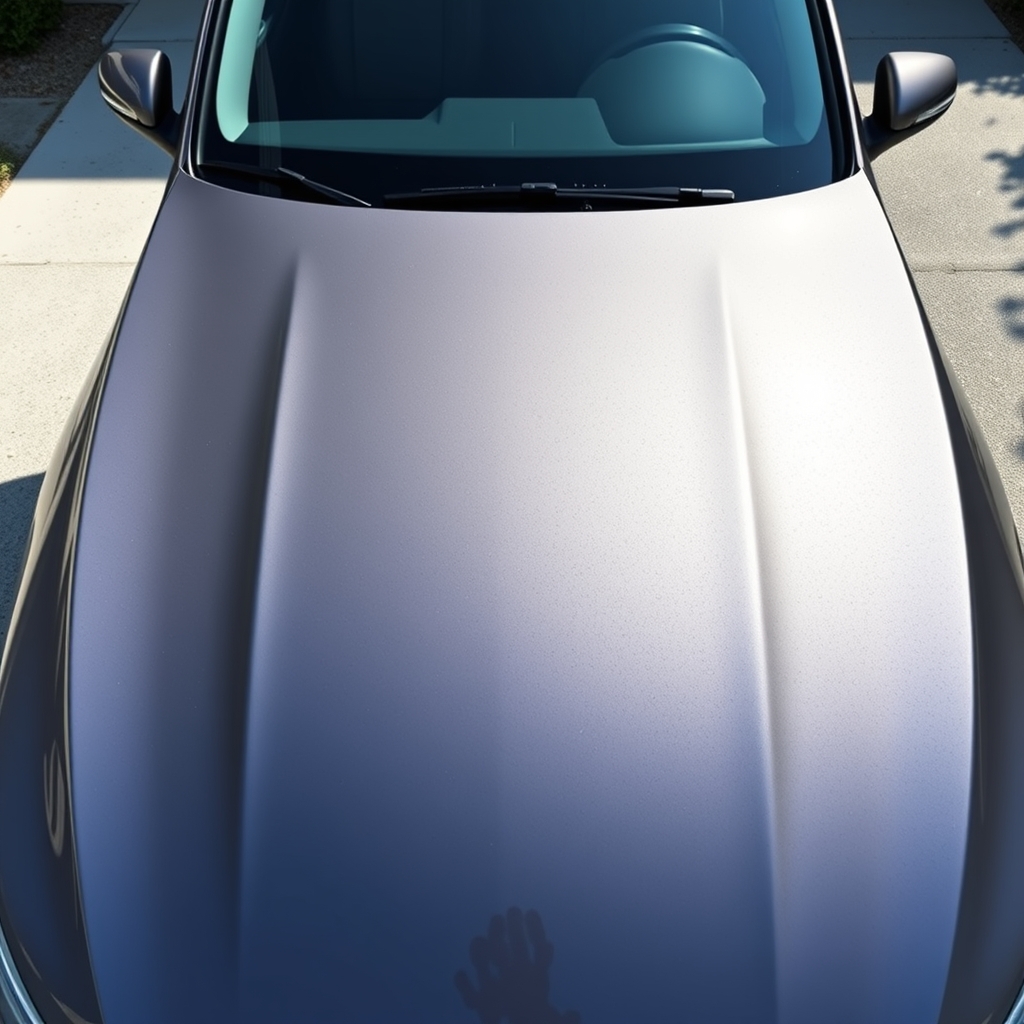
- Weekly or biweekly wash: Use a pH-neutral shampoo. Rinse thoroughly. Dry with microfiber.
- Every 2–4 weeks: Apply a spray topper or hybrid quick wax to maintain hydrophobicity — especially for sealants.
- Full strip and reapply:
- Carnauba wax: Every 6–8 weeks (1–3 months max durability). Plan for 6–8 reapplications per year.
- Sealants: Every 4–6 months (mainstream) or 8–12 months (premium). Budget 2–3 reapplications per year at most.
- How to spot end-of-life: Loss of water beading/sheeting, dulling of gloss, and increased dirt sticking are your signs it’s time to reapply.
For a smoother maintenance experience, consider using a quality waterless car wash product between major washes, which is safe for both wax and sealant finishes.
Top 3 expert recommendations for 2024 paint formulations
- For most modern daily drivers: Choose a premium synthetic or ceramic-infused paint sealant as your base layer for the best cost-to-durability ratio. Reapply every 8–12 months after full prep.
- For ultimate gloss on warm-colored or garage-kept cars: A carnauba wax is still the classic choice — but expect to reapply every 1–2 months if exposed to sun, washing, or outdoor contaminants.
- Maximize longevity: Always follow full prep: wash, clay bar, solvent wipe, and if possible light polish. For added gloss, layer a carnauba wax atop a cured sealant (allow 12–24 hours to cure first). This gives you both warmth and longevity, but keep expectations realistic on how long the gloss will hold.
For very long-term protection, explore a ceramic coating kit for beginners — with the right prep, these easily outperform waxes and sealants for up to several years.
Quick buying checklist and one-paragraph wrap
- Budget: Do you want to buy once or are you OK with repeat buys?
- Desired gloss: Prefer a warm, deep shine or clear, crisp reflectivity?
- Tolerance for reapplication: Happy waxing every 1–2 months or want a 6–12 month set-and-forget?
- Climate/UV exposure: Outdoor parking or high-sun regions mean sealant is a better bet.
- Willingness to prep: Best longevity only comes with washing, claying, and (ideally) polishing beforehand.
In summary: For most daily drivers in 2024, a synthetic or ceramic-infused paint sealant offers significantly better real-world durability (4–12 months) versus carnauba wax (1–3 months), at a lower effective cost per month. If you crave gloss and don’t mind frequent work, wax is extremely satisfying; but if you value your time, car wax vs sealant tips toward sealant for realistic, year-round protection. Ready to upgrade your paint’s defense? Plan your next product by your climate, maintenance habits, and the durability you want — and prep right for long-term results.
FAQ
How long does carnauba wax really last on a daily driver?
In real use, carnauba wax lasts 1–3 months before visible protection and gloss fade. Florida-level sun or weekly washes can strip it within 6 weeks. Plan to reapply every 6–8 weeks if you want year-round defense.
What’s the best car paint sealant 2024 for daily use?
Look for a ceramic- or graphene-infused synthetic sealant with a track record of 8–12 months protection in independent tests. Brands change annually but the key is going for a premium formula and prepping the paint thoroughly before application.
Can I layer carnauba wax over a synthetic sealant?
Yes, once your sealant has cured fully (typically 12–24 hours), apply a carnauba wax on top for extra warmth in shine. Just don’t expect the wax to extend the sealant’s durability — it mainly adds gloss.
How do I know when to reapply my wax or sealant?
Watch for decreased water beading, rougher paint surface, loss of shine, or increased dirt sticking. For sealants, when water stops sheeting off quickly after a wash, it’s time to reapply.
Is ceramic coating better than wax or sealant?
Ceramic coatings offer the best durability (multi-year protection), but require more surface prep and skill. For most DIYers, a high-end sealant offers 70–80% of the benefit for a fraction of the cost and hassle. Consider starter ceramic coating kits if you want a step up from sealants.