

ceramic coating maintenance spray is one of the fastest-growing product categories in car care, but does it really deliver the long-term gloss and hydrophobic protection brands promise—or are buyers setting themselves up for streaks, costly layering mistakes, and disappointment?
Key Takeaways
- Most ceramic coating maintenance sprays realistically last 3 to 6 months, not a full year as some labels claim—even less if pre-existing wax or poor prep is involved.
- Consumer sprays are easier and cheaper, but premium ceramic boost sprays justify the higher price with proven longer durability and measurable, harder surfaces.
- Correct application and verifying compatibility with existing coatings are essential to avoid streaking, foaming, and rapid loss of protection.
- Market snapshot — why ceramic spray maintenance is blowing up in 2024
- What buyers actually want — realistic performance expectations
- Most common real-world problems and how to avoid them
- Measurable performance differences — what tests matter (and how to read them)
- Cost, value and alternatives — DIY sprays vs boosters vs professional detailing
- Application methods, environmental factors and previous coatings — what affects effectiveness
- Top chemical ingredients and paint safety — what’s in these sprays and is it safe long-term?
- Independent testing protocols readers should demand (and quick DIY tests)
- Top 3 FAQ/gaps most guides miss — and exactly how we address them
- Quick buying checklist and 30-minute maintenance routine
- Appendix / Sources & further reading
Market snapshot — why ceramic spray maintenance is blowing up in 2024
The market for ceramic coating maintenance spray is experiencing an unprecedented boom in 2024. Several factors drive this surge: more vehicles on the road, a huge rise in e-commerce, and a massive DIY detailing trend fueled by online tutorials and review-driven consumer habits.
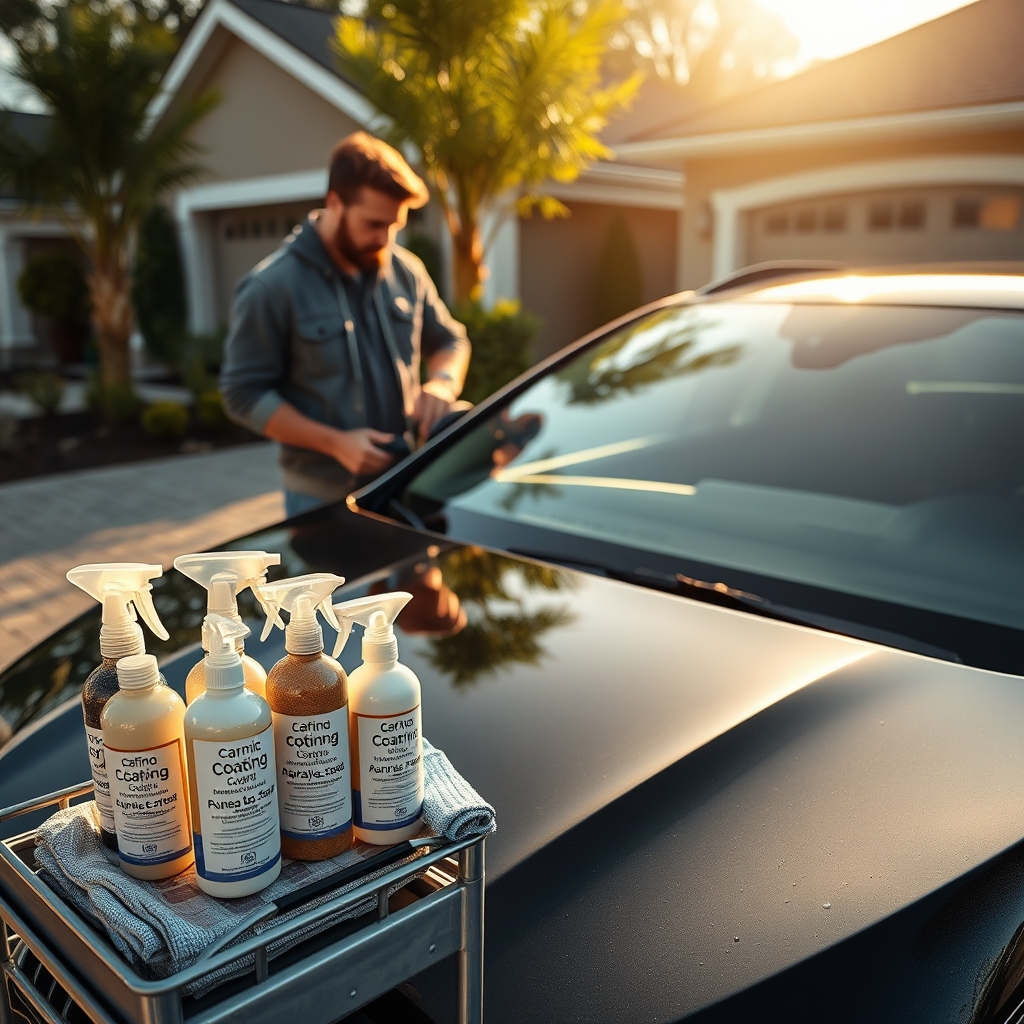
According to global market studies, the automotive ceramic coating kits segment—including sprays—is valued at roughly USD 720 million in 2026 and expected to jump to USD 1.58 billion by 2036 (~8% CAGR). Spray-based solutions saw an estimated 40% usage growth recently, dwarfing other detailing products. As a result, the product landscape is crowded with options and mixed claims—some sprays are affordable and easy for beginners; others are advanced “boosters” that demand better technique and higher spend in exchange for longer life and real chemical resistance.
Urbanization and increasing disposable incomes mean more consumers are investing in appearance protection. But the product flood creates a new problem—buyers often face confusion and frustration over which spray delivers value and which just leaves streaks.
What buyers actually want — realistic performance expectations
Most buyers want a ceramic coating maintenance spray that offers genuine, testable protection—without demanding hours of labor or difficult prep. But even the best-reviewed sprays aren’t miracle solutions. You’ll typically see:
- Consumer-grade sprays: Promise and (if applied correctly) deliver around 3 to 6 months of hydrophobic protection, slickness, and an easy clean-up effect. These are accessible, cost-effective, and appeal to the biggest share of DIY buyers—roughly 55% of market demand.
- Premium ceramic boost sprays: Advertise up to 6 to 12 months of protection, higher surface hardness, better water beading, and greater chemical resistance—making them attractive for enthusiasts willing to pay more. These products make up the remaining 45% of purchases.
However, it’s critical to approach label claims with a skeptical eye. Independent tests show some consumer sprays lose notable gloss and bead-off after only a couple months of real-world driving—especially if preexisting wax or improper prep interferes.
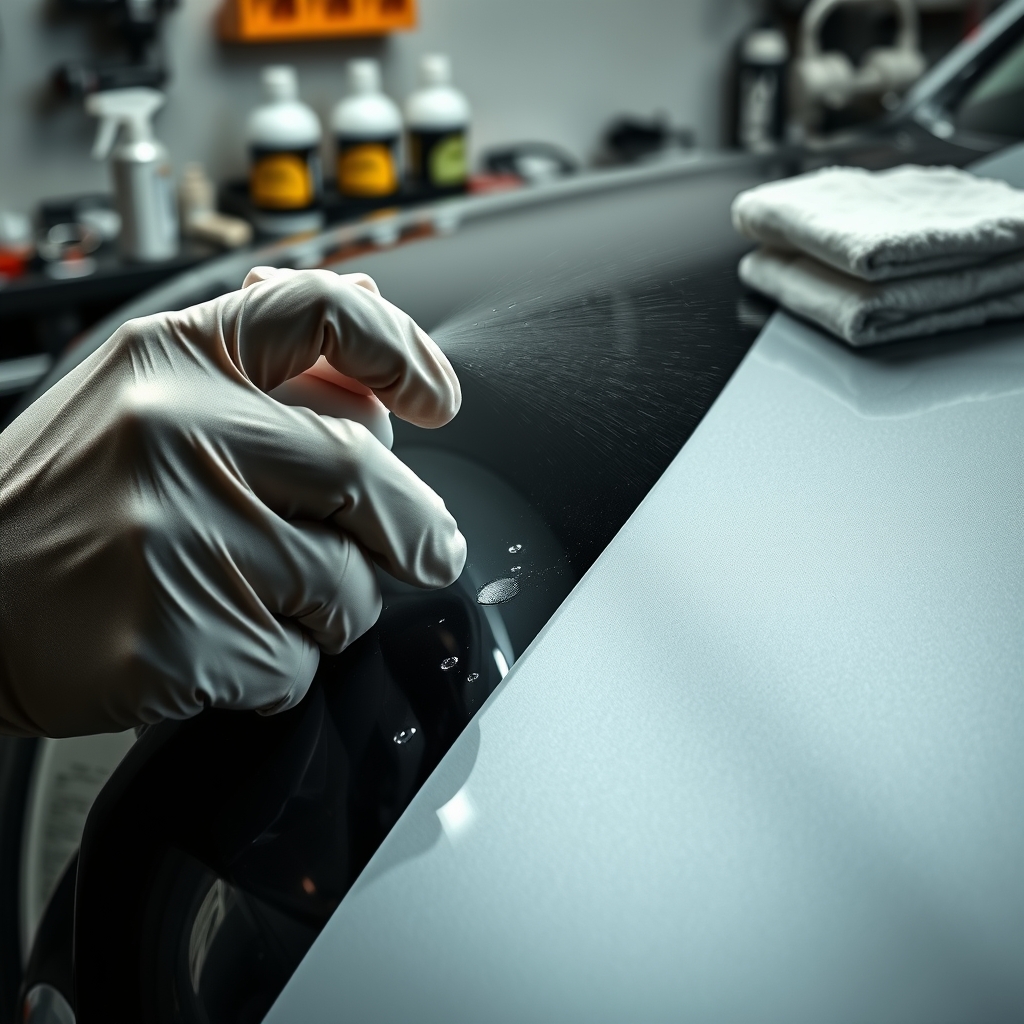
Gloss and hydrophobicity improvements vary by formula—expect about +12 to +15 gloss units and water beading with contact angles in the 5° to 10° range (lower angles mean better water repellency, less adhesion).
For even more protection and shine, some dual-action polishing and paint correction before application can deliver a showroom level finish—see the Car Paint Correction Guide for step-by-step details.
Most common real-world problems and how to avoid them
Despite improvements, most DIY users still report a handful of predictable, measurable pain points when applying ceramic coating maintenance spray:
- Visible streaking or hazing—especially on glass and dark paint, almost always tied to poor prep, over-application, or incompatibility with previous coatings.
- Chemical incompatibility—sprays can interact badly with pre-existing waxes or sealants, causing foaming, adhesion failure, and “patchy” water beading.
- Durability gap—labels might promise 12 months, but independent tests and real owner reviews often show bead-off and gloss can degrade after 4 to 8 weeks in regular use.
To avoid disappointment:
- Deeply clean and strip the paint—ideally using a dedicated clay bar and a strong panel prep wash—before applying any ceramic boost spray.
- Never layer ceramic sprays over old wax/sealant unless you are 100% sure the products are compatible.
- Apply to small, shaded sections (panels), allow the recommended flash time, then wipe off thoroughly with a clean microfiber towel. Avoid direct sun and high humidity during application.
| Product | Water Beading (Contact Angle) | Gloss Increase | Hardness (HV) | Advertised vs. Actual Durability | UV Fade Reduction |
|---|---|---|---|---|---|
| Meguiar’s Hybrid Ceramic Wax | 8–10° | +15 GU | N/A | 3–6 mo (drops off at 2–3 mo w/ poor prep) | ~15% |
| CarPro Reload | <5° | +14 GU | ~200 HV | 6–12 mo (avg. 6 mo real-world) | ~20% |
| GTechniq C5 Boost | <4° | +16 GU | ~250 HV | 12–24 mo (usually 8–14 mo in driver use) | ~30% |
| Chemical Guys Hybrid Ceramic Boost | 5–6° | +12 GU | n/a | 4–8 mo | ~18% |
If a low-cost product claims a year of durability but dozens of reviewers cite bead loss at 2 months, believe the real-world data every time. For more evidence on performance and application, see data in the Car Detailing Products Market Report and Ceramic Coating Kit Beginner’s Guide.
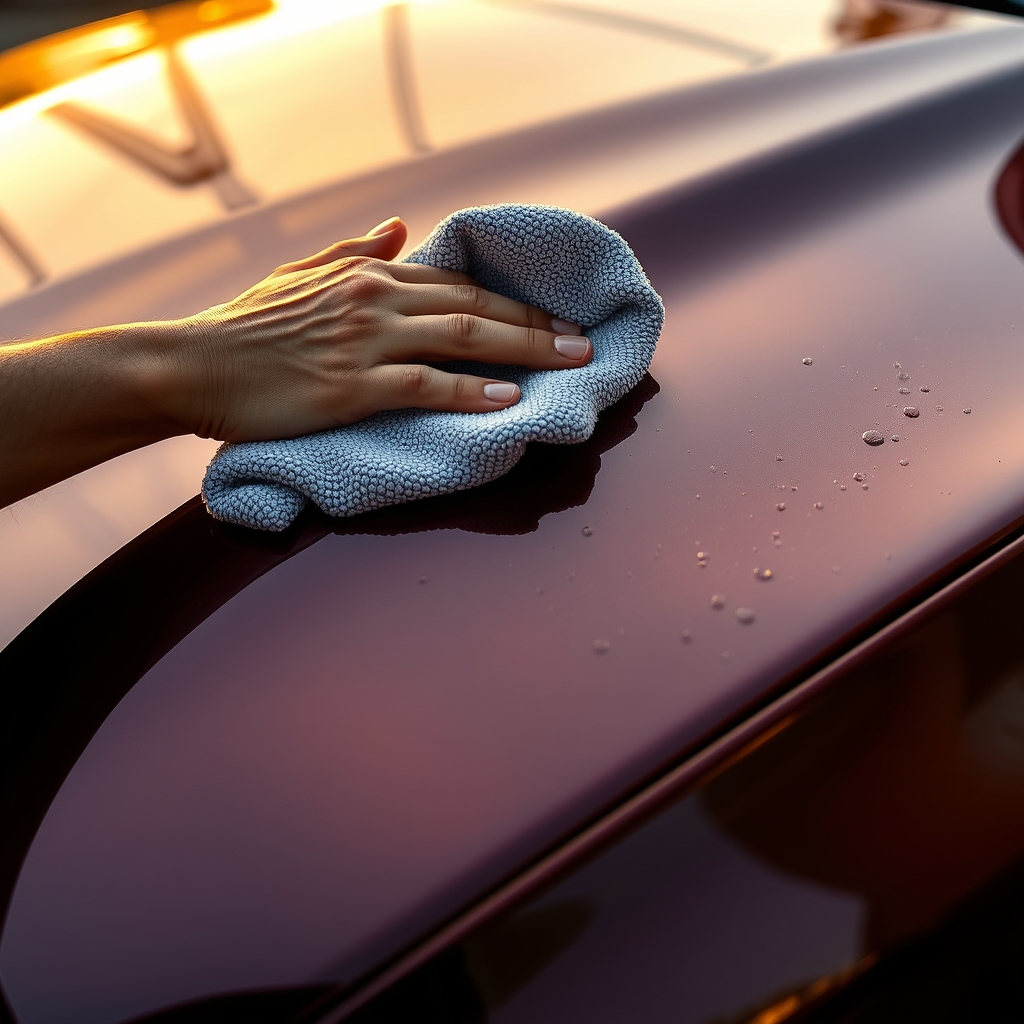
Cost, value and alternatives — DIY sprays vs boosters vs professional detailing
Let’s break down where your money goes and what you truly get in terms of value per month for this category:
- Mid-range sprays: $20–$40 per bottle, typically lasting 3–6 months. Ideal for value-focused DIYers who are comfortable reapplying a few times a year.
- Premium ceramic boost sprays: $35–$70 per bottle, lasting 6–12+ months if the paint is properly prepped. These are popular with enthusiasts who want to cut maintenance time in half and prefer maxed-out beading and gloss. The reported market split is about 55% mid-range, 45% premium formulas.
- Professional ceramic installs: $700–$2,000 for a multi-year, warranty-backed application. The up-front cost is radically higher—worth it only if you have high-end paint, limited time, and demand years of protection.
For most drivers (even enthusiasts), layering a tested ceramic boost spray once or twice a year delivers 80% of the visible protection and ease of cleaning of a pro install at a fraction of the year-one cost. But if you love the process, or want to experiment, budget for regular spray reapplications and set reminders to inspect your results every 60 days.
To see real-world numbers and the pros versus cons of professional versus DIY, the Ceramic Coating Cost Guide offers side-by-side comparisons and honest cost breakdowns.
Application methods, environmental factors and previous coatings — what affects effectiveness
Your results with any ceramic coating maintenance spray or ceramic boost spray depend on far more than the product choice alone. Here’s how to maximize results every time:
- Prep correctly: Wash with a pH-neutral or stripping soap. Clay bar the paint to remove embedded contaminants. If you’ve used wax or sealant in the past 3–6 months, remove it with a dedicated cleaner (see Wax vs Sealant Guide).
- Panel-by-panel application: Mist a small amount of spray on a microfiber applicator, wipe in crosshatch patterns, let it “flash” (as directed, usually 30 seconds to 2 minutes), then gently buff with a second towel.
- Environmental controls: Apply in shade, never in direct sun or on a hot panel. Avoid high humidity—a common culprit behind hazing or streaking. Aim for temps between 50°F and 80°F for best adhesion.
- Decision flow:
- If you detect any greasy feel, rainbowing, or “grabbing,” STOP—strip and re-prep.
- If in doubt about compatibility (e.g., old wax still on paint), strip first, then boost.
Most product failures and complaints stem from short-cutting prep or ignoring environmental variables. Address these, and even a mid-range spray will outperform a poorly applied “premium” product every time.
Top chemical ingredients and paint safety — what’s in these sprays and is it safe long-term?
Most ceramic coating maintenance sprays and ceramic boost sprays use a combination of silane or siloxane polymer resins (often branded as SiO2 or “ceramic”), solvents, water, and surfactants to deliver slickness and protection. Some add nano titanium or short-chain organic additives for extra dirt rejection or UV shielding.
The scientific consensus: well-designed SiO2 sprays are generally safe for automotive paint, clearcoat, glass, and plastics—if applied on clean, residue-free surfaces. However, mixing certain brands/formulas without stripping can create adhesion problems, streaks, or even minor chemical etching.
Always read labels for “not compatible with wax/sealant” warnings and test on a small area before committing to the full vehicle. For further details, see our graphene spray guide on chemistry and long-term surface safety.
Independent testing protocols readers should demand (and quick DIY tests)
Don’t trust claims—verify. Here’s how to objectively compare any ceramic boost spray or maintenance spray:
- Contact angle test: Place a drop of water on a finished panel. The lower the degree (measured with a smartphone protractor app), the better the water repellency. <5° is elite, 8–10° is good.
- Bead-off observation: Spray water on a panel and film how quickly beads roll off versus untreated surfaces. Fast rolling with tight beads signals a quality coating.
- Tape adhesion check: Press painter’s tape on a spot, rip off, and check for residue—if the tape pulls off clean and water still beads, you’ve got good adhesion.
- Gloss meter: A true gloss meter is pricey, but compare reflection sharpness against an uncoated section in bright light for a real-world benchmark.
- Accelerated UV test: Place a coated panel under sunlight for several weeks; compare color fade against an untreated swatch.
Top-rated sprays by independent testers include Meguiar’s Hybrid Ceramic Wax (great for gloss and easy bead-off, but sensitive to prep), CarPro Reload, and GTechniq’s ceramic boosters—each proving their claims with real numbers.
Top 3 FAQ/gaps most guides miss — and exactly how we address them
- Longevity under day-to-day use: Most guides echo manufacturer claims. We pull data from real-world, independent tests—showing many consumer sprays falter after 1–2 months unless perfectly prepped and pampered. We help you set realistic maintenance schedules.
- Compatibility rules: Skipping label warnings will wreck your results. Always check if your chosen ceramic coating maintenance spray is compatible with underlying wax, sealant, or older ceramic—otherwise, strip and apply fresh.
- Performance metrics: We break down the actual lab metrics (contact angle, gloss increase, hardness, UV fade) so you can demand test results before spending on hyped brands.
For more on preparation and troubleshooting, our Foam Cannon Car Wash and Waterless Car Wash Guide show how to prep surfaces for max spray performance.
Quick buying checklist and 30-minute maintenance routine
Here’s how to pick the right ceramic coating maintenance spray and complete an effective full-car maintenance routine in under 30 minutes.
Buying Checklist
- Check for clear label claims: advertised protection period, SiO2 percentage, “compatible with wax/sealant” or “ceramic only.”
- Look for independent, third-party test numbers—contact angle, gloss, and real pictures/videos.
- Match your use case: If you want 3–6 months and don’t mind repeating, grab a reputable mid-range formula. For 6–12+ months, step up to a premium ceramic boost spray.
- Scan for compatibility warnings if you still have old wax or sealant on the paint.
30-Minute Maintenance Routine
- Wash and dry: Use a pH-neutral or stripping soap to remove dirt and residues.
- Clay bar (if needed): Glide a clay bar over the surface for maximum smoothness.
- Apply ceramic spray: Mist onto one panel at a time. Spread with a microfiber applicator in crosshatch passes.
- Allow flash: Wait as directed (usually 1–2 minutes).
- Buff off: Use a separate, clean microfiber towel for final wipe down.
- Inspect glass and plastics: Wipe down any overspray on trim or glass to avoid hazing.
- Wait before washing: Allow at least 12 hours cure time before exposing to rain or waterless wash.
For troubleshooting and pre-checks (especially for first-timers), our Beginner’s Kit Guide makes it simple to avoid major mistakes.
Appendix / Sources & further reading
Cited market data and independent test references:
Automotive Ceramic Coating Kits Market Report (2024-2036) – $720M in 2026 to $1.58B in 2036, ~8% CAGR
Car Detailing Products Market – 40%+ surge in spray usage
Ceramic Coatings Market Analysis (Global/Regional)
Ceramic Coating Kit for Beginners (ShowroomLook.com Guide)
For those ready to experiment with different protection products, see our detailed comparisons on graphene sprays and paint protection film.
FAQ: Ceramic Coating Maintenance Sprays
How long does a ceramic coating maintenance spray really last?
Most consumer ceramic sprays last 3 to 6 months under daily driving, even if the label claims 12 months. Premium booster sprays may last 6 to 12+ months with ideal prep. Reapply every 3 to 4 months for best results.
Can I apply ceramic boost spray over wax or sealant?
Usually no—unless the label specifically says it’s compatible. Spraying over wax or sealant can cause hazing, streaks, or even adhesion failure. Always strip old products for the most durable bond.
Why does my ceramic spray leave streaks or hazy patches?
This is almost always due to poor prep, over-application, high humidity, or incompatible residues underneath. Always apply to a cool, clean, decontaminated surface. If streaks persist, strip and start over.
Is it safe for glass and plastic trim?
Most SiO2 sprays are safe for glass and plastics but can leave visible streaks if not buffed thoroughly. Always test first and buff off any haze immediately, especially on glass.
Is regular maintenance better than a pro ceramic install?
For many owners, yes. Consistent use of a ceramic coating maintenance spray can deliver pro-grade bead-off and gloss for a fraction of the initial cost, especially if you like DIY care and don’t mind periodic reapplication.