

waterless car wash spray is revolutionizing the way suburban car owners and detailers clean their vehicles while saving water, reducing chemical runoff, and maximizing convenience. But not every eco friendly car wash spray performs equally—or safely—especially when it comes to protecting your paint and meeting real environmental standards.
Key Takeaways
- Waterless car wash spray is best for light to moderate dirt—not heavy mud or caked-on grime—and demands the right microfiber and careful technique to prevent paint damage.
- Look for true eco credentials like low VOCs, verified biodegradability, and third-party certifications to avoid misleading greenwashing.
- Correct application—including towel selection, spray amount, and buffing—is essential for a swirl-free, streak-free finish.
- Quick market snapshot — why waterless sprays matter in 2024
- What “eco friendly” means in waterless car wash sprays
- How waterless sprays clean — chemistry and protection basics
- Real performance limits & most common user complaints
- Correct step-by-step technique to avoid damage
- Environmental comparison vs traditional washing
- Typical pricing & cost-per-use
- Certifications and lab data buyers should demand
- Ingredients to scrutinize & common greenwashing red flags
- Three critical questions competitors don’t answer
- Quick buyer’s checklist and editor’s recommendations
- FAQ
Quick market snapshot — why waterless sprays matter in 2024
In 2024, the global market for waterless car wash products hit $2.38 billion, with spray formats making up about 42 percent of sales. North America leads the segment, but demand is rising across Europe and Asia Pacific as water conservation and regulatory crackdowns drive growth. Consumers are choosing spray formats for portability, speed, and the ability to wash nearly anywhere—especially driveways, apartments, or drought-prone areas where hose washing is discouraged or banned. With the market projected to grow at an 8.2 percent compound annual rate through 2034, new brands and tech advancements are hitting the shelves—many billing themselves as “eco friendly.”
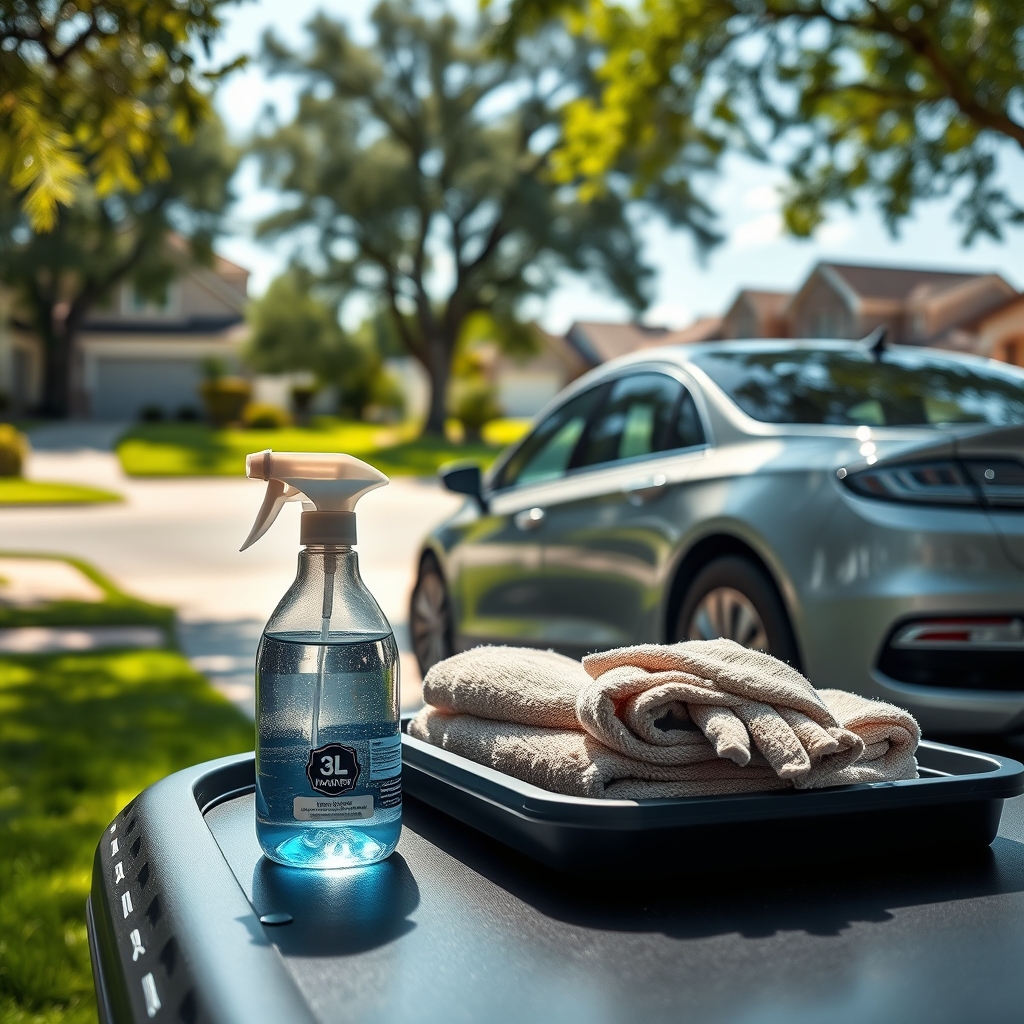
Major manufacturers are emphasizing plant-based surfactants, low-VOC formulas, and recyclability, while online sales now drive a significant share of growth. [Source]
What “eco friendly” means in waterless car wash sprays
“Eco friendly” should mean more than a green label. The best eco friendly car wash spray options feature truly biodegradable ingredients, low-volatile organic compound (VOC) levels, plant-based surfactants (not petroleum-derived chemicals), and recyclable packaging. However, industry greenwashing remains common. Reliable products offer third-party certifications like EPA Safer Choice, USDA BioPreferred, or proven low-VOC compliance. Formulas with clear ingredient transparency perform better, both for your car and the planet. [Market Data]
Eco-friendly formulations are gaining traction as both governments and consumers demand real water-saving and better chemical stewardship. Packaging sizes of 500 ml to 1 liter now account for the largest segment—33.9 percent—balancing ease of use and reduced plastic waste.
How waterless sprays clean — chemistry and protection basics
Waterless car wash sprays rely on surfactants to break the bond between dirt and paint, lubricants to reduce the risk of scratches, and polymers or SiO2 (silica) for gloss and water-beading. Many modern eco-friendly car wash spray formulations now blend plant-based surfactants with temporary SiO₂ layers, providing a light, sacrificial layer that resists dust and rainwater. This means you’re not just cleaning; you’re also enhancing shine and adding basic protection.
While these ingredients work wonders for light soil, baked-on dirt and sandy grit remain a challenge—if your vehicle is heavily soiled, traditional or rinseless wash methods are still safer. See our clay bar guide for heavy contamination solutions.
Real performance limits & most common user complaints
Despite their eco credentials, waterless car wash spray products do have limitations—something experienced users often highlight. The three main complaints are:
- Struggling to clean heavily soiled, muddy, or sand-laden vehicles—these products are for light-to-moderate dirt only.
- Swirl marks or scratches caused by improper cloth selection, pressure, or technique.
- Streaky, oily, or hazy finishes—especially if too much product is used, towels aren’t changed often, or the formula leaves behind residues.
Independent testing (see real-world product comparisons) shows streaks and residue are among the most frequent drawbacks—often tied to user error or cheaper formulations. For a swirl and scratch-free shine, only use on lightly dirty surfaces and always work with plenty of clean, premium microfiber towels.
Correct step-by-step technique to avoid damage
Proper application is the key to safe, satisfying results. Here’s exactly how to use waterless car wash spray safely, without harming your paint:
- Inspect: Only use the spray when your car is dusty or lightly dirty, not caked in mud or grit.
- Spot test: Test on a discreet area first to ensure no allergic reaction or compatibility issues.
- Spray small sections: Work panel by panel, spraying enough to wet (but not soak) the surface. Don’t let it dry before wiping.
- Use premium microfiber towels: Use a plush, high-GSM microfiber towel for every few panels (typically 4-8 towels per sedan). Fold into multiple clean faces and swap towels as soon as one is dirty.
- Wipe gently: Use light, single-direction passes. Never scrub. Flip to a clean side after each section.
- Buff separately: Use a second clean, dry towel to quickly buff off any remaining product or haze.
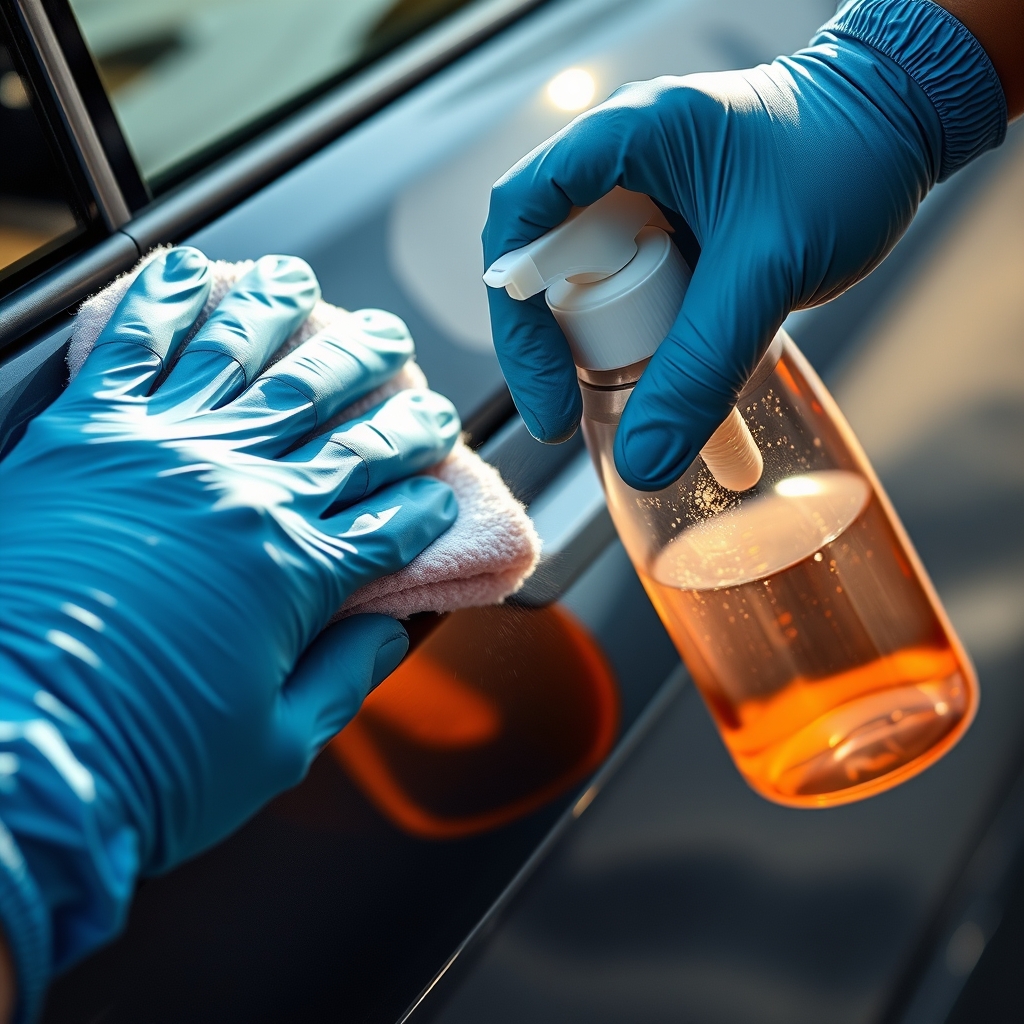
Avoid red-flag behaviors: scrubbing, reusing the same towel on the entire vehicle, or using on heavy grit. For a deeper clean or prepping before applying a ceramic coating kit, switch to a rinseless wash or traditional soap method.
Environmental comparison: water, emissions, and chemical safety vs traditional washing
Traditional driveway washing can use up to 40 gallons of water per wash and send soaps, oils, and metals into storm drains. In contrast, waterless car wash sprays cut water use to nearly zero and sharply reduce contaminated runoff. That’s especially valuable in drought-prone regions or urban environments with strict environmental regulation.
Eco friendly car wash spray formulas are generally low in VOCs—minimizing ozone impact and air pollution—and many now disclose biodegradability data. Still, emissions and chemical safety claims can be overblown. Always check for compliance with EPA, California Air Resources Board (CARB), or OECD testing for environmental impact.
For even greater environmental gains, consider using less product per session, and always recycle bottles and packaging where possible.
Typical pricing & cost-per-use — waterless sprays vs DIY and professional washes
| Product / Method | Estimated Cost (USD) | Average Vehicle per Use | Notes |
|---|---|---|---|
| Waterless Car Wash Spray | $13 (16 oz / 500 ml, e.g., Adam’s Polishes) | 4-6 | $2-$3 per use (including towels), largest demand in 500 ml-1L packages (33.9% market share) |
| DIY Hose & Soap | $1-$2 (water + soap) | 1 | High water use (~40 gallons), environmental runoff issues |
| Professional/Detailer | $18-$40 | 1 | Much higher cost, but best for filthy vehicles |
Sprays are cost-effective for frequent, light-detail cleans and compete well with the price of premium DIY products. For the most value, choose mid-size packaging and buy in multiples for discounts when possible. Source: Industry report
Certifications and lab data buyers should demand
If a waterless car wash spray claims to be eco friendly, demand proof. The most trustworthy labels and data include:
- EPA Safer Choice: Ensures safer chemistry for humans and environment
- USDA BioPreferred: Validates bio-based content
- California VOC Compliance: Meets strict emissions controls
- OECD Biodegradability: Confirms rapid, safe environmental breakdown
- Full MSDS/Chemical Abstracts: Ingredient transparency
Low-VOC, biodegradable formulations are surging in popularity due to consumer and regulatory pressure. If info is missing or vaguely worded, skip that SKU and choose proven alternatives. See also our graphene spray analysis for contrasts in eco and chemical compliance.
Ingredients to scrutinize & common greenwashing red flags
All waterless car wash spray formulas are not created equal. Common red flags include:
- Generic “plant-based” without a disclosed percentage, or petroleum-derived ingredients masquerading as eco
- Fragrances used as solvents or not disclosed on the label
- Undisclosed preservatives that can trigger allergic reactions
- Unverified “biodegradable” claims without any certification or lab test references
To assess risk, read both the label and the MSDS. Prioritize gentle, nonionic surfactants over harsher solvents. If you see opaque claims or odd chemical names with no breakdown, consider an alternative. Users often note that even “green” packaging can’t compensate for residue or streaking—these issues point to real-world formulation differences and possible greenwashing.
For more on recognizing safe vs. harsh detailing products, check out our foam cannon car wash guide or paint correction solutions.
Three critical questions competitors don’t answer (and how this article will)
- How well do waterless car wash sprays actually clean different dirt types and paint conditions? Most marketing avoids this issue, but lab tests and user reviews confirm success on dust, pollen, light spots—not caked-on grime or sand. Use only when contamination is minor; for heavier soils, switch to a clay bar method first.
- What’s the exact, proven technique for streak-free, scratch-free results? Spray generously, flip towels every two panels, never reuse dirty sides, avoid scrubbing, and always finish with a dedicated buff towel—this workflow is non-negotiable for high-gloss results.
- Which environmental credentials actually mean something? Insist on clear VOC, biodegradable, and packaging data, along with third-party certifications or published lab results. If you can’t verify an eco claim, look elsewhere.
Most content glosses over these real-world gaps. This guide is engineered for practical buying and flawless DIY results, not just sales hype. For true step-by-step visuals and hands-on tricks, visit our expanded waterless spray guide.
Quick buyer’s checklist and editor’s recommendations
| What to Check | Minimum Requirement | Editor’s Note |
|---|---|---|
| When to Use | Light-moderate dirt/dust, not mud or sand | Never use on gritty, caked-on soil |
| Required Towels | 4-8 plush microfiber per midsize sedan | Have two sets: one for wipe, one for buff |
| Certifications | One major third-party eco label (EPA, USDA, etc.) | Request lab data if missing on package |
| Average Cost | $2-$3 per wash (DIY pack), $18+ pro | Mid-size bottles (500ml-1L) are best value |
| When to Avoid | Heavily soiled or sand-laden surfaces | Switch to rinseless wash or hose wash if unsure |
Editor’s Top Picks for Different Use Cases
- Urban daily touch-ups: Look for fast-drying formulas with verified eco-packaging and at least one major eco certification. Example: Adam’s Polishes Waterless Wash (biodegradable, $13 retail).
- Light seasonal cleaning: Choose a product with added SiO₂ for gloss and water resistance, supplied in mid-size packaging for less waste.
- Fleet/business use: Prioritize bulk jugs with batch-tested VOC/biodegradability and easy pump spray options for speed and safety.
The waterless car wash spray market is shifting quickly—keep your eye on new regulatory requirements and technical data for confidence in your next buy. For more deep-cleaning solutions, check our steam cleaner interior guide and industry analysis.
FAQ
Can waterless car wash spray really clean a dirty car?
These sprays are best for light to moderate dust and pollen—not caked mud or sandy grit. For heavy soil, pre-rinse or use a traditional or rinseless wash instead.
Is waterless car wash spray safe for ceramic-coated cars?
Yes—if you strictly follow technique and use clean, plush microfiber towels. Some sprays even add a temporary SiO₂ layer for extra protection. For advanced coatings, review our ceramic coating maintenance guide.
How much spray and how many towels do I need per wash?
Plan on at least four to eight plush microfiber towels per midsize sedan. Use enough spray to wet (not soak) each small area, and change towels as soon as one appears dirty.
Are all waterless car wash sprays eco friendly?
No. True eco friendly car wash spray products list their biodegradability, VOC content, and certifications clearly. Avoid vague green claims without backing data.
How do I dispose of leftover product or bottles?
Most eco formulas allow safe drain disposal, but always check the label. Recycle spray bottles and packaging where possible for minimal waste.
Conclusion
Done correctly, waterless car wash spray can save water, reduce chemical exposure, and protect both your car’s finish and the environment—but only if you know its limits and insist on verified eco credentials. For suburban owners and DIYers who follow the right steps and stay alert to greenwashing, this technology offers a quick, safe way to keep cars looking sharp. Ready to make the switch or upgrade your routine? See our recommended waterless car wash spray picks and try the proven method today.