

graphene coating spray is rapidly changing how car owners and detailers protect automotive paint, but the reality beneath the buzz deserves a closer look. Independent testing, real owner feedback, and evolving market trends all suggest that graphene hybrid sprays offer some big advantages—yet there are genuine trade-offs compared to classic ceramic coatings.
Key Takeaways
- The global graphene coating spray market reached $218 million in 2024 and is projected to grow to $824 million by 2030, driven by demand for premium, low-maintenance protection (Source: Onyx Coating).
- Most graphene sprays are hybrid formulas (SiO₂ plus reduced graphene oxide), delivering strong anti-static, hydrophobic, and chemical resistance benefits, often extending water-beading life by 20–30% over pure ceramics (Adam’s Polishes).
- Common complaints are higher prices, tough scents, microfiber staining, and limited proof for 5+ year durability—critical for buyers comparing with pro-level ceramic options (Auto Geek Online).
- Quick Summary — What the Reader Will Learn
- Step-by-Step Guide: Effective Use & Application
- Advanced Analysis & Common Pitfalls
- Conclusion & Recommendation
- FAQ: Graphene Coating Spray
Quick Summary — What the Reader Will Learn
The surge in graphene coating spray isn’t just hype: by 2024 the market hit $218 million and is on track for $824 million by 2030 (about 24.6 percent CAGR). These sprays promise paint protection that’s tougher and longer-lasting than basic wax and often easier to apply than professional ceramic. However, not every claim stands up to scrutiny. This guide breaks down three crucial, under-discussed realities—true hybrid chemistry, independent test gaps, and the total cost equation—you must evaluate before your next purchase.
Step-by-Step Guide: Effective Use & Application
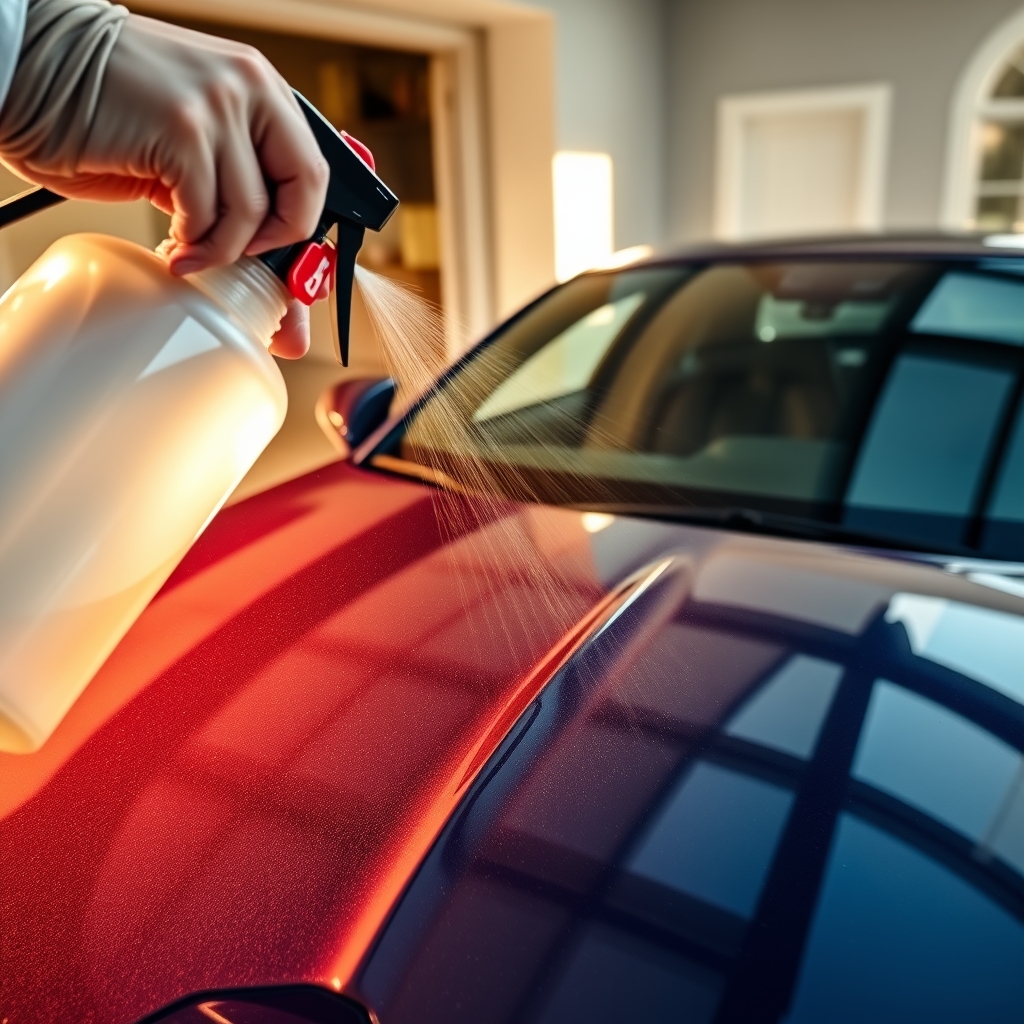
If you’re an enthusiastic auto owner or a detailer considering graphene for clients, follow these six actionable steps for best results—and avoid the traps that frustrate many buyers:
- Start with proper surface prep. Wash your car thoroughly, then use paint decontamination clay to remove residues. This ensures the graphene spray adheres to clean paint—not dirt or wax.
- Inspect for paint defects and correct them. Swirls, scratches, and etching should be minimized with a paint correction session. Coatings won’t hide defects—they lock them in.
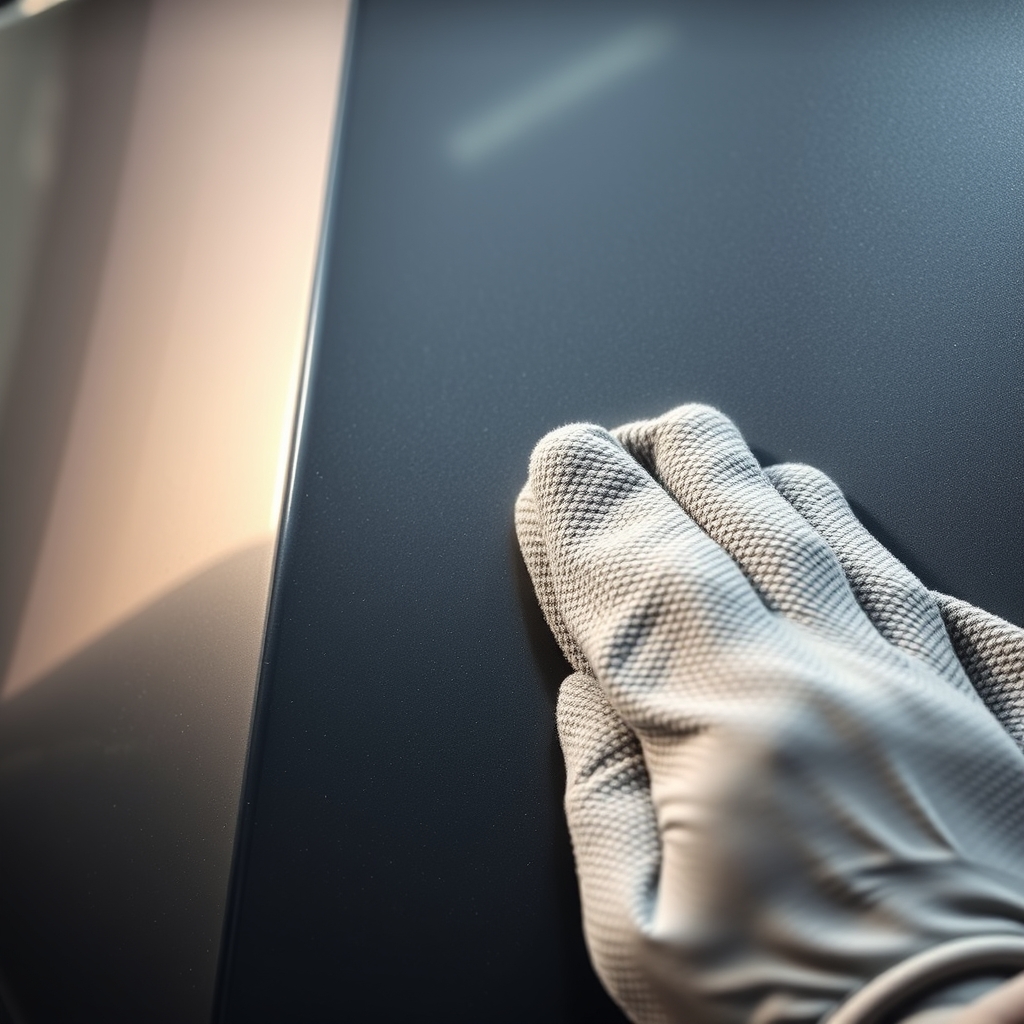
- Apply in small sections (panel by panel). Use a microfiber applicator for smoother spread, then immediately buff with a clean, plush microfiber towel.
- Mind temperature and humidity. For most graphene ceramic spray car products, work between 15–30°C in the shade. High surface temps and direct sun cause streaking.
- Let the coating cure. Don’t expose the car to rain/water for at least 24 hours. Cure time matters for maximum hydrophobic effect and durability claims (source).
- Maintain regularly with a graphene detail spray. Modern options are water-based, low-VOC, and compatible with both ceramic and graphene coatings for easy booster application.
Advanced Analysis & Common Pitfalls
Despite the fast-growing market and positive buzz, graphene ceramic spray car products come with trade-offs. Well-established ceramic coatings have defined standards for durability and UV protection, while graphene-infused sprays are still in an early-adopter phase with some significant unknowns.
What Makes Graphene Different?
- Chemistry: Most “graphene sprays” are hybrids—combining SiO₂ (silica/ceramic) resin with reduced graphene oxide as an additive. This blend aims for anti-static properties, higher contact angles (superior water beading), and better chemical resistance. (Onyx Coating)
- VOC & Eco Profile: The latest generation favors water-based, low-VOC formulations, which is better for indoor use and occupational safety.
- Real-World Gains: Independent detailing shops across India report roughly 20–30 percent longer water-beading on graphene spray cars—translating into 8–12 fewer washes per year in cities like Delhi NCR. (Motor Headz)
Performance Comparison: Graphene vs. Ceramic
| Attribute | Graphene Coating Spray | Traditional Ceramic Coating |
|---|---|---|
| Surface Hardness (H scale) | 9–10H (hybrid) | Up to 10H (pure SiO₂) |
| Hydrophobic Contact Angle | 110–125° Brighter water beads |
100–115° |
| Corrosion/Chemical Resistance | Marginally better (anti-static, resists water spots—especially in high-pollution) | Proven, but less anti-static |
| UV Protection | Good (but less independent test data available) | Excellent (well-proven long-term) |
| Ease of DIY Application | High (spray/wipe; less curing time) | Medium to low (requires more prep and controlled cure) |
| Longevity Claims (Consumer Spray) | 5–9 years (manufacturer claim); limited field proof | 3–5 years (well-vetted); pro grades up to 7–9 years |
What’s Missing or Underreported?
- Independent Longevity Testing: No large-scale lab or real-world tests for 5+ year durability; most studies are short-term gloss/hydrophobicity measures.
- VOC/Occupational Safety: Water-based hybrids cut VOCs, but some brands still use harsh solvents—always check MSDS, especially for shop use.
- True Maintenance Savings: While manufacturers claim 8–12 fewer washes per year, actual time and money saved depends on local road conditions. Urban users see the biggest difference.
Most Common Complaints (from Forums/Amazon)
- Higher cost than traditional sprays—$30–$60 per 250ml bottle, with unclear value for short-term users.
- Staining of microfiber towels and strong chemical scent—even with new “water-based” labels.
- Streaking or uneven gloss if applied in hot/sunny conditions or without proper prep. Many users remain skeptical about “9-year” claims due to limited third-party evidence.
Maintenance Cost Math: Case Scenarios
- DIY User in Urban India: With a graphene spray, average annual washes drop from 40 to 28 (saving 12 washes x ₹250 = ₹3,000/year). If graphene application is needed twice yearly (₹1,800 per bottle), actual TCO can be lower than repeat waxes but higher than an annual ceramic spray if you pay detailers for every coat.
- Professional Shop: With labor savings from easier application, shops can serve more cars in less time—offsetting higher material costs if they position graphene sprays for urban, polluted environments or for premium clients.
For a deeper view on how graphene stacks up—especially for black cars or humid environments—see our sister guide: Graphene Coating Spray: 7 Best Ways to Boost Protection (Proven Guide).
Conclusion & Recommendation
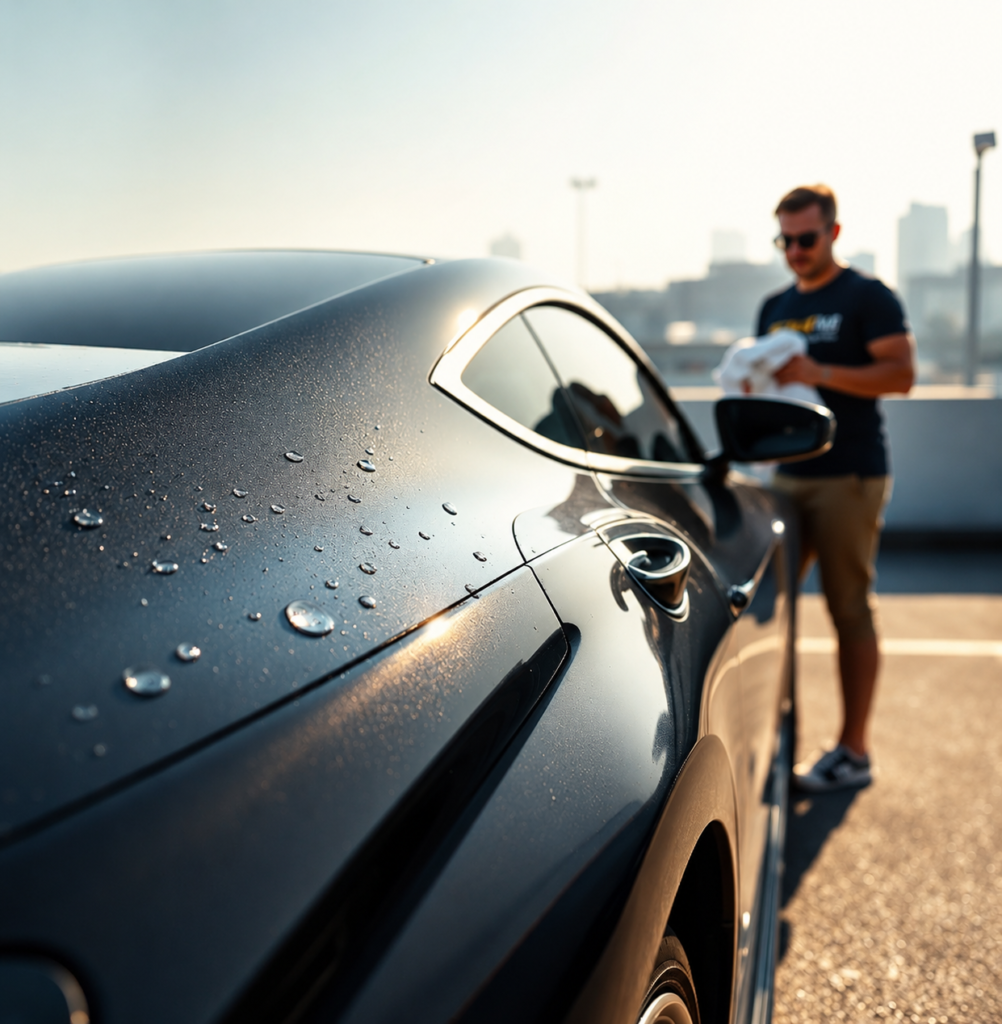
The current graphene coating spray wave is more than just a fad: with projections showing the market quadrupling by 2030 and widespread adoption by major brands, it is rapidly entering the mainstream. For car owners in polluted cities, or those looking for a low-maintenance shine with fewer washes, a quality graphene ceramic spray car product may justify the extra investment—especially if you’re prepared to reapply as precaution, since true independent multi-year lab data is still catching up.
If maximum, field-proven durability—especially against harsh UV and chemical fallout—is your top priority (and you require warranty-backing), a high-end ceramic or professional ceramic install remains a proven benchmark. For urban commuters, premium enthusiasts, and shop owners eager to offer the latest protection, graphene coating sprays are a pragmatic upgrade, as long as you budget for reapplication and look for brands with clear testing and safety disclosures.
Ready to upgrade your workflow? Compare your next purchase side-by-side with the best ceramic coating kits for beginners or read the full graphene spray guide here.
Bottom line: Pick a graphene coating spray for polluted urban use and lower wash frequency, but demand clear test data and scrutinize warranty vs. marketing promises. For traditionalists, ceramics still lead on multi-year field evidence and warranty terms.
Explore paint protection film as an alternative or see top ceramic spray maintenance options if your paint is already ceramic-coated.
FAQ: Graphene Coating Spray
How long does a graphene coating spray actually last?
Most brands claim 5–9 years, but real-world durability depends on prep, local pollution, and reapplication. Consumer-grade sprays often show peak effects for 6–18+ months before boosters are needed. Independent multi-year data is still limited.
Is graphene coating spray better than ceramic spray for DIY users?
It offers slightly better hydrophobicity and is usually easier to apply, especially in polluted or humid regions. Ceramic sprays and coatings are more proven for UV stability and ultra-long durability, but also take longer to apply and cure.
Can I use graphene ceramic spray car products on top of existing ceramic coatings?
Yes. Modern water-based graphene sprays are designed to be compatible with existing ceramic layers for added gloss and longevity. Always test a small area first to ensure bonding.
What’s the main downside of graphene coating spray?
Cost is higher than traditional wax or even some ceramics. Some users experience microfiber staining, a strong chemical scent, and application streaks—especially if skipping prep or working in direct sunlight.
Are graphene coating sprays safe and eco-friendly?
The shift to water-based, low-VOC formulas has improved safety, but always check the product’s safety data sheet. Most regions have no restrictions, but DIYers and shops should ensure good ventilation and avoid skin contact during application.