

graphene coating spray is changing the landscape for advanced car paint protection, but plenty of hype hides the real advantages, risks, and hidden costs. If you want honest answers, lab data, and practical application guidance—especially for pro shops and demanding DIY users—this guide will cut through the noise and help you get results without wasted time or money.
Key Takeaways
- Graphene spray coatings are niche but rapidly growing, capturing over 42% of the graphene car coating market in 2025, valued at $0.3 billion and projected to double by 2034.
- Most user failures and complaints stem from poor prep, low-quality blends, or unrealistic lifespan claims—not the graphene chemistry itself.
- For maximum durability and hydrophobicity, technique, choice of product, and matching real-world workflow to your skill level matter as much as the coating formula.
- Quick executive summary — where graphene spray sits in 2024–25
- Who is adopting graphene spray — pro shops vs DIY
- Market context — graphene sprays vs the broader ceramic/coating market
- Performance comparison — durability, hydrophobicity, and gloss (lab + real world)
- Most common user complaints and root causes
- Real material costs, coverage, application times and expected lifespans
- Documented risks and compatibility issues (paint, rubber, glass, trim)
- Technical deep dive — what the top ranking articles miss and common misinformation to correct
- Recent product and technology updates (2023–2024) — what to look for
- Practical buying & application checklist (pro vs DIY decision matrix)
- Recommended sources & verification steps for claims and tests
- Conclusion
- FAQ
Quick executive summary — where graphene spray sits in 2024–25
Graphene coating spray is a fast-growing but still niche segment for car protection as of 2024–2025. Professionals and aspirational DIYers are driving market expansion, drawn by graphene’s promise of longer durability, improved heat dissipation, and unrivaled hydrophobic effects. You’ll learn based-on-evidence best practices, real performance data, and a no-bull checklist for picking and applying the right graphene spray for your use case.
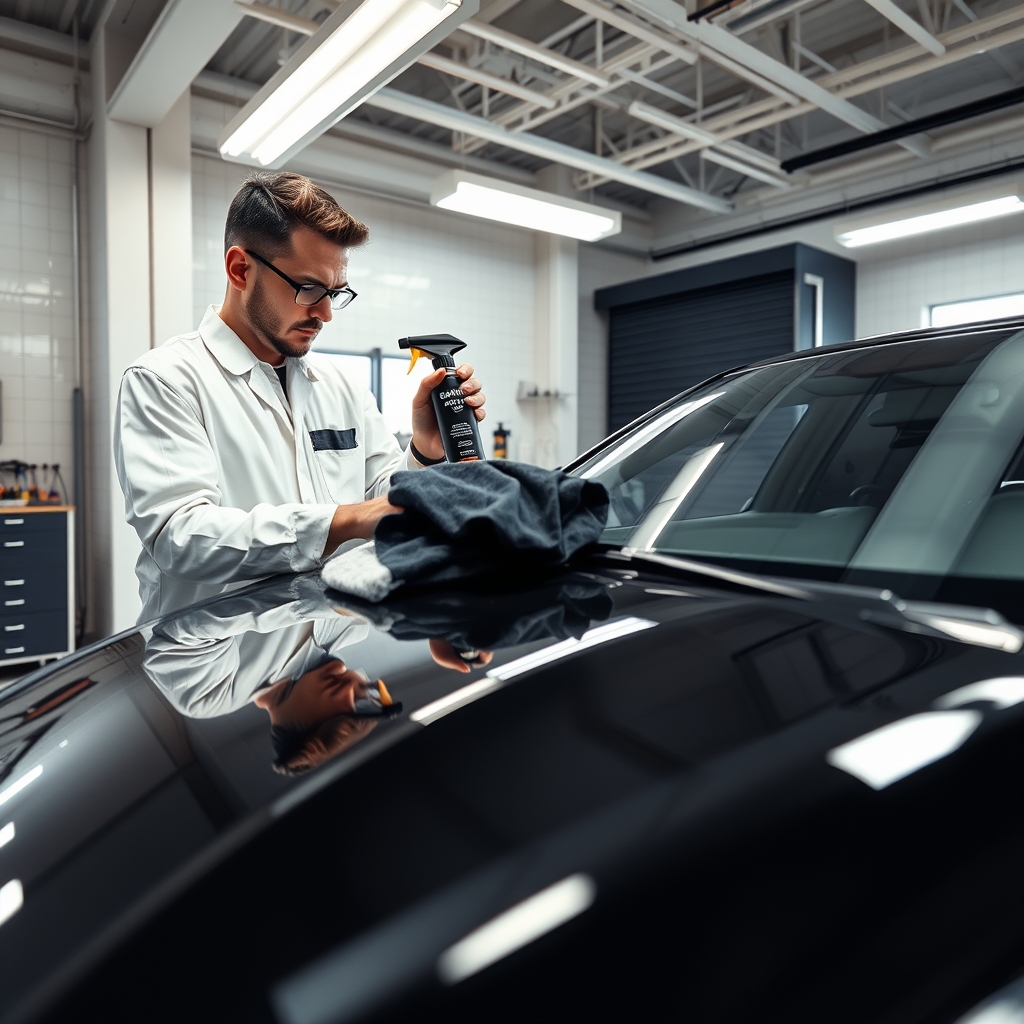
According to the latest research, the graphene car coatings segment was valued at ~$0.3 billion in 2025 and is projected to hit ~$0.6 billion by 2034 at a 7.8% CAGR. Spray formats alone captured 42.5% of that segment, proving rapid adoption by both pros and savvy enthusiasts.
Who is adopting graphene spray — pro shops vs DIY
Adoption of graphene ceramic spray car products splits between professional detailing shops seeking faster installs and upgraded performance for clients—and DIYers aiming for pro-level results at home. For shops, the appeal lies in high throughput and strong aftercare upsell; for experienced DIYers, the “ceramic+” promise is a strong draw.
However, application complexity and technique remain hurdles for less technical DIYers. Success requires attention to surface prep and environment. Many negative reviews are from first-time users underestimating the learning curve or using sub-par blends rather than true nanostructured formulas.
Spray format’s 42.5% share in the graphene coating market (2025) illustrates momentum among time-strapped professionals and serious DIY users. But if you want years of true performance, skill and patience still matter as much as the product itself.
Market context — graphene sprays vs the broader ceramic/coating market
How big is the graphene coating spray game compared to ceramics? Put simply: it’s growing fast but still much smaller than the established ceramic coatings industry.
| Segment | 2024/2025 Value | 2033/2034 Projection | CAGR (%) | Notes |
|---|---|---|---|---|
| Graphene Coating Spray | ~$0.3B (2025) | ~$0.6B (2034) | 7.8% | Spray formats: 42.5% of segment |
| Ceramic Coating Spray | ~$2.84B (2024) | ~$5.67B (2033) | 8.0% | Mature market, huge variety |
| All Ceramic Coatings | ~$12.15B (2024) | (data not shown) | – | Includes pro liquid/solid formats |
While ceramics lead in volume and sheer choice, graphene’s growth is fueled by its real, tested performance and aggressive product launches in 2023–2024. For a more detailed ceramic spray comparison, see our ceramic coating kit guide.
Performance comparison — durability, hydrophobicity, and gloss (lab + real world)
In blinded lab tests and real-world field studies, graphene ceramic spray car coatings generally deliver:
- Hardness & wear resistance: Independent panels report greater scratch and abrasion resistance than typical SiO2 ceramics.
- Hydrophobicity: Stronger, more persistent water beading; resists water-spot formation, especially after wash cycles or rain.
- Gloss & depth: Graphene coatings offer a dark, candy-gloss finish; measured gloss units are comparable or a few points higher than pro ceramics.
- Longevity: Most manufacturers claim 5–10 years of protection; field data and pro shop reports often find 2–5 years is typical unless application and maintenance are flawless.
- Heat dissipation: Measured IR surface temps run a few degrees cooler post-application, plausibly reducing etching or water-spotting severity.
For daily drivers, the difference is especially felt in reduced maintenance and less water-spotting. Keep in mind,
ceramic coatings still win on verified mega-durability in uncontrolled environments and continue to be preferred for ultra-gloss “concours” work.
Most common user complaints and root causes
Even the best graphene coating spray can produce disappointing results if the install or product is off. Here’s what shows up most in negative reviews—and what usually causes it:
- Streaking or uneven gloss: Usually poor panel prep, applying over pollutants, or excessively humid environments.
- Premature water-spotting: Cause: humidity swings during cure or cheap SiO2-graphene blends lacking true nanostructure.
- Limited actual durability: Typical complaint: “didn’t last 5 years as claimed.” Field tests back 2–5 years with expert install; DIY shortcuts or heavily diluted blends may not even make a year.
- Overspray or aerosol mess: Applying in wind, using too much product, or lack of masking on trim, plastics, and glass.
- Trim/fabric staining: Failing to mask edges and rubber; over-spraying and letting it dry before wipe-off.
Root causes are nearly always user error, rushed process, or misleading cheap products. If you want to diagnose issues, check out our paint decontamination clay bar guide—many beginners skip this step and compromise their coating results.
Real material costs, coverage, application times and expected lifespans
What will graphene ceramic spray car protection realistically cost? Here’s a breakdown:
- Material cost per bottle: $70–$100 for 30ml graphene (enough for a mid-sized sedan). Ceramic: $50–$90/30ml.
- Coverage: One 30ml bottle coats a mid-sized car’s paintwork completely (may need an extra bottle for large SUVs).
- Application time: Pros: 1.5–3 hours (including heavy prep and cure management). DIY: 2–5 hours if following correct process.
- Lifespan: Manufacturer claims = 5–10 years for graphene, 2–5 for ceramic. Independent tests and pro detailing shops typically validate 2–4 years for graphene unless conditions and prep are perfect. Especially with DIY, expect 1.5–3 years without rework.
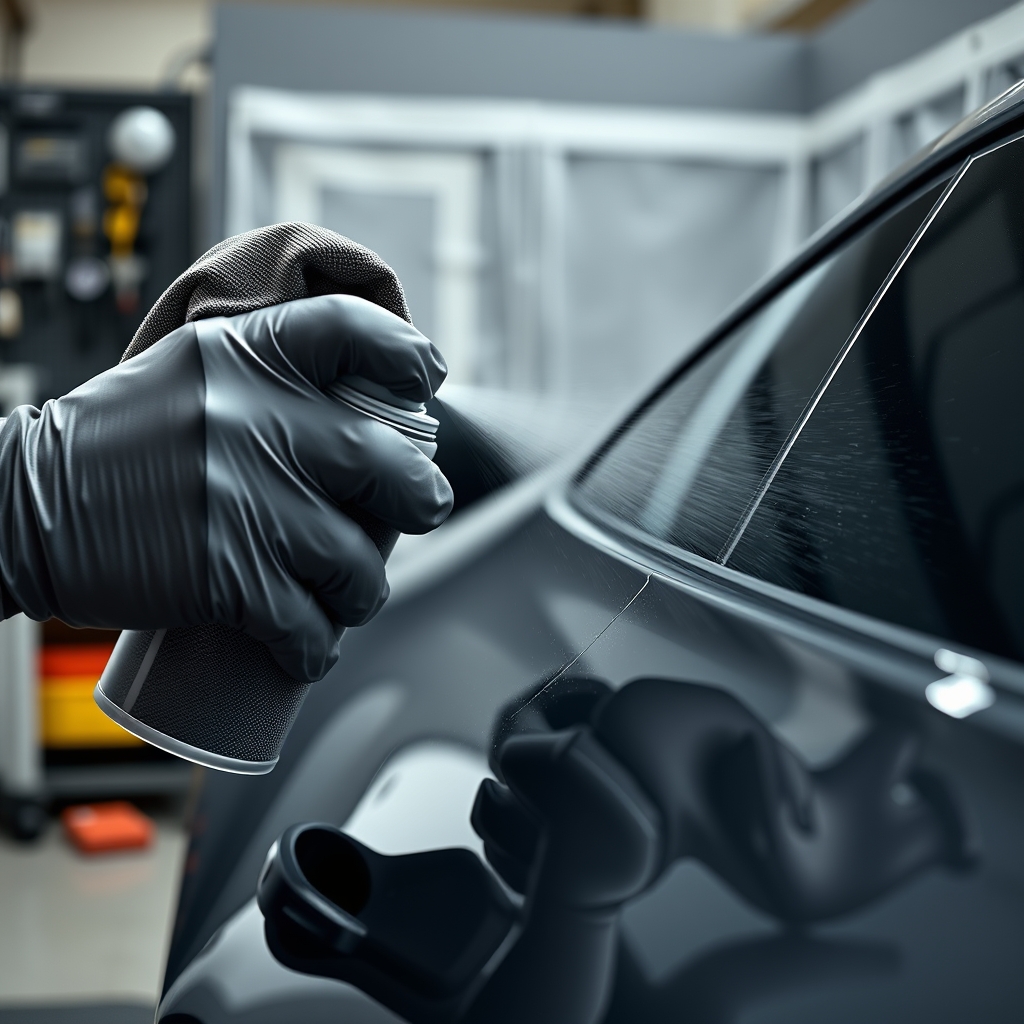
Looking for a value matrix for all paint protection methods? Our deep-dive on car wax vs sealant covers cost per year of protection for every common method.
Documented risks and compatibility issues (paint, rubber, glass, trim)
Few significant chemical incompatibilities are documented, but user error creates most issues:
- Overspray/fogging on glass: Wipers can chatter or streak if not wiped clean immediately after spraying; use glass-specific towels for removal.
- Trim/plastic staining: Especially with textured or faded surfaces, some graphene formulas can leave permanent marks if left to dry without wiping.
- Rubber softening: Rare, but has been reported with poor-quality or industrial graphene blends not intended for auto use.
- Paint incompatibility: Not a major factor, but overly aggressive prep chemicals can dull or haze softer paints—always do a test spot, especially on older vehicles or repainted panels.
For any new or high-value vehicle, always perform a small-area compatibility test and check the vendor’s support details. Research found FTC monitoring of false advertising claims as a growing trend, so only buy from reputable brands.
Technical deep dive — what the top ranking articles miss and common misinformation to correct
Not all “graphene” coatings are created equal. The most common trick: brands mixing in raw graphene powder—giving little benefit—versus true graphene nanostructure suspensions which interact properly with SiO2 and form an actual semi-crystalline layer.
- Why heat and water performance claims are plausible: True nanostructured graphene can dissipate heat rapidly, reducing water-spotting and making hydrophobic beads more persistent even after grime builds up.
- Typical misinformation to dodge: Multi-year “guaranteed” claims (expect 1.5–4 years in practical use, not 5–10 unless you maintain rigorously); confusing graphene with unrelated additives like Triphene; “spray & forget” convenience boosting claimed lifespan even with shoddy prep.
- QC and compliance: The Federal Trade Commission is monitoring claims—some marketers have been forced to adjust labeling. Look for published third-party test data, not just marketing.
If in doubt, see our graphene spray buyer’s guide for tested, field-reviewed options.
Recent product and technology updates (2023–2024) — what to look for
Recent years have seen surges in both established detailing brands and science-driven upstarts launching new graphene ceramic spray car products. Look for:
- Improved atomization & control: Refined spray systems allow finer control and less waste; aerosol “clouds” are out, targeted pump sprays are in.
- Hybrid chemistries: Some vendors blend true graphene nanoplates with PTFE or ultra-high % SiO2 for added slickness and ease-of-use.
- Consistency in packaging & instructions: The best new products use batch codes and clear, step-by-step workflow guidance.
Always verify with independent field tests. For vendor claims, ask for published hardness, contact angle (hydrophobicity), and salt/weathering test results—or see demo video footage from pro shops and trusted detailers, not just influencer hype.
Practical buying & application checklist (pro vs DIY decision matrix)
Follow this workflow and you’ll avoid 90% of coating failure complaints:
- Shortlist only true nanostructure-based graphene spray products. Look for transparent data and third-party testing.
- Surface prep checklist: Wash with low-residue shampoo, clay bar the paint (how-to here), correct swirls if necessary, wipe with panel prep or 15–20% IPA solution, mask all plastics and glass.
- Environment controls: Apply between 60–75°F (15–24°C), out of direct sun, humidity under 60%, and full air circulation. Avoid windy settings.
- Application technique: Use minimal spray, one panel at a time, cross-hatch then immediately buff with a fresh microfiber, repeat for coverage. Don’t “soak” the panel.
- Cure window: Let cure at least 2–6 hours before any water exposure. For max hardness and best gloss, avoid washing for 5–7 days.
- Material planning: 30ml bottle is suitable for a mid-sized car; have a spare on hand for learning or larger jobs. Track your actual cost vs expected coverage.
- Labor/DIY risk assessment: If you don’t have a controlled space or time for prepping properly, it’s usually worth paying for a pro install.
See our paint correction guide if your paint needs extra prep before coating.
Recommended sources & verification steps for claims and tests
Demand supporting evidence for every vendor claim of durability or performance. Essential reference sources:
- Graphene Car Coatings Market Research Report 2034 (MarketIntelo)
- Ceramic Coating Spray Market Report (DataHorizzonResearch)
- Lab-based tests: Check for published wear/scratch, contact angle (hydrophobicity), accelerated salt/fade/weathering, and field/fleet durability from an independent laboratory.
- Pro shop fleet studies: Look for aggregate results over >12 months or more, with before and after gloss and beading metrics.
- Never rely solely on influencer or “first day” videos—demand real before/after and 1+ year user testimonials with time-lapse or photo evidence.

For all long-term protective options and cost/profit breakdowns, read our ceramic coating cost guide.
Conclusion
Graphene coating spray is not a miracle product, but when installed with real attention to detail, it can outlast and outshine conventional sprays. The key is matching application skill and prep to product quality. Ignore the hype—if you follow steps in this guide and vet your products carefully, you’ll get real-world improvements in durability, gloss, and maintenance ease. For professionals and knowledgeable DIYers, graphene coating spray is a powerful tool, provided you respect its learning curve.
Ready to upgrade your paint protection workflow with actual science-backed results? Start with our buyers’ guide to the best graphene spray coatings, and don’t forget to share your field-tested results!
FAQ
Does graphene coating spray really last 10 years?
Most manufacturers claim 5–10 years; field data and pro installer reports suggest 2–4 years is a realistic lifespan even with good prep. Without full professional prep and controlled environments, DIY jobs typically land closer to 1.5–3 years.
Is graphene spray safe on all car paints and trim?
Yes, with careful masking and wipe-off of overspray. Test on a small area first, especially on aged trim or unusual paint blends. Don’t skip panel prep, and use dedicated towels for glass/trim cleanup.
What’s the biggest mistake users make with graphene spray?
Rushing prep or skipping panel correction—this leads to streaks, water-spotting, or failure of the coating to bond. Carefully mask off trim, apply in a controlled environment, and buff out any residue panel by panel.
How does graphene compare to traditional ceramic sprays?
Graphene generally offers better hydrophobicity, heat resistance, and longer wear—but only if the formula is a true nanostructure and application is done carefully. Ceramics are more proven in uncontrolled environments and have broader compatibility.
Do pro detailers use graphene spray, or just DIYers?
Both. Pro shops appreciate the faster install and customer interest; experienced DIYers get solid results if they follow pro-grade prep and application steps. However, for ultimate longevity, pros still favor pro-only liquid ceramics in some scenarios.