

ceramic coating maintenance spray is the top choice for car owners and detailers who want reliable gloss, water behavior, and longevity from their ceramic finish—but real results depend on smart product selection and avoiding common mistakes. In 2024, not all “ceramic boost” sprays are created equal, and some combinations can actually reduce your underlying coating’s life. Learn how to pick, apply, and test maintenance sprays for long‑lasting performance, based on recent market data and real user experience.
Key Takeaways
- The ceramic coating maintenance spray market hit $250M in 2024, with silica “boost” sprays driving the fastest growth—but durability and compatibility vary widely.
- Major user problems include streaking, haze, gloss loss, and spray incompatibility with premium high-SiO2 coatings—especially without proper prep.
- Proper product selection (SiO2 content, solvents, pH, application rules) and routine lab/field testing are the only way to guarantee real protection and longer life.
- Ceramic Coating Maintenance Spray: What It Is & Why It Matters
- How to Use Ceramic Coating Maintenance Spray: Step‑By‑Step
- Advanced Analysis & Common Pitfalls: What Goes Wrong?
- Conclusion: Make Your Ceramic Coating Maintenance Spray Work for You
- Frequently Asked Questions
Ceramic Coating Maintenance Spray: What It Is & Why It Matters
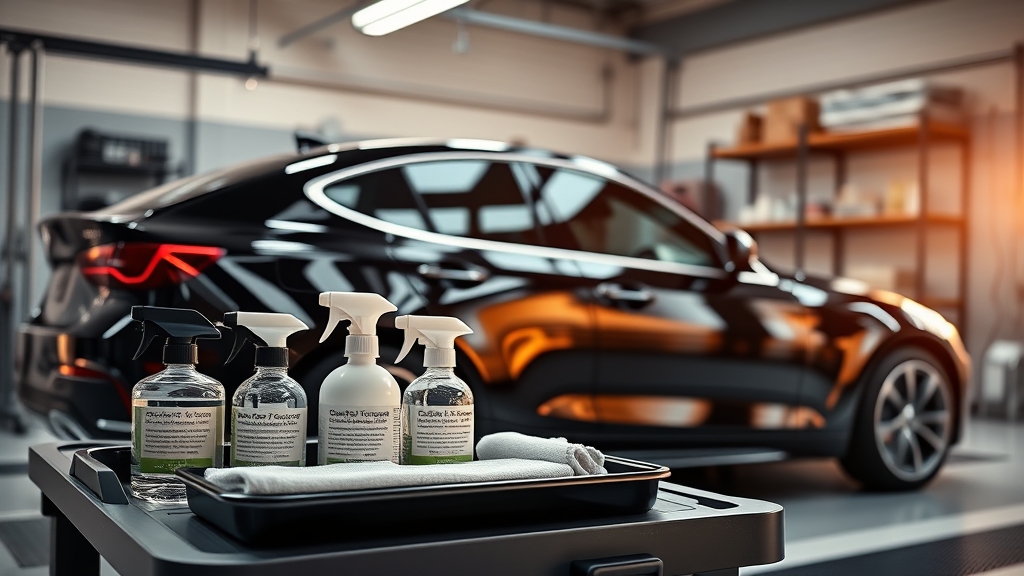
Ceramic coating maintenance spray (sometimes called “ceramic boost spray” or “SiO2 topper”) is a quick-apply product designed to refresh gloss, restore water-beading, and extend the protection of your main ceramic coating between full details. Unlike conventional sealants or waxes, these sprays use a blend of silica (SiO2) and polymers that bond with modern ceramic coatings, offering enhanced hydrophobicity and a “freshly coated” look with minimal effort.
In 2024, the global market for ceramic coating maintenance spray is worth about $250 million and growing 12% year-over-year, with the silica “boost” spray segment reaching $150 million and a 15% CAGR, according to Fact.MR market analysis. These products are now must-haves for detailers and DIY owners serious about paint protection. But evidence shows not all sprays deliver as promised. Some can even degrade your base layer if misapplied or poorly matched to your original ceramic system. That’s why both product picking and application matter more than ever—especially for high-SiO2 coatings like those used by pros.
How to Use Ceramic Coating Maintenance Spray: Step‑By‑Step
Applying a ceramic coating maintenance spray correctly is crucial for extending the life and gloss of your base coating—while avoiding haze, streaks, or softening. Here is the proven process every detail-oriented DIY user or pro should follow:
- Prep Is King: Wash and decontaminate
- Start with a pH-neutral soap using pH-neutral soap.
- For best results, use a clay bar or clay mitt to remove bonded contaminants. Even invisible fallout can cause patchiness or flaking (Precision Auto Aesthetics).
- Inspect for coating health
- Check for bare or worn spots: uneven surface = uneven spray performance.
- Dry completely
- Any leftover water will cause streaks or dilute the active film.
- Apply maintenance spray
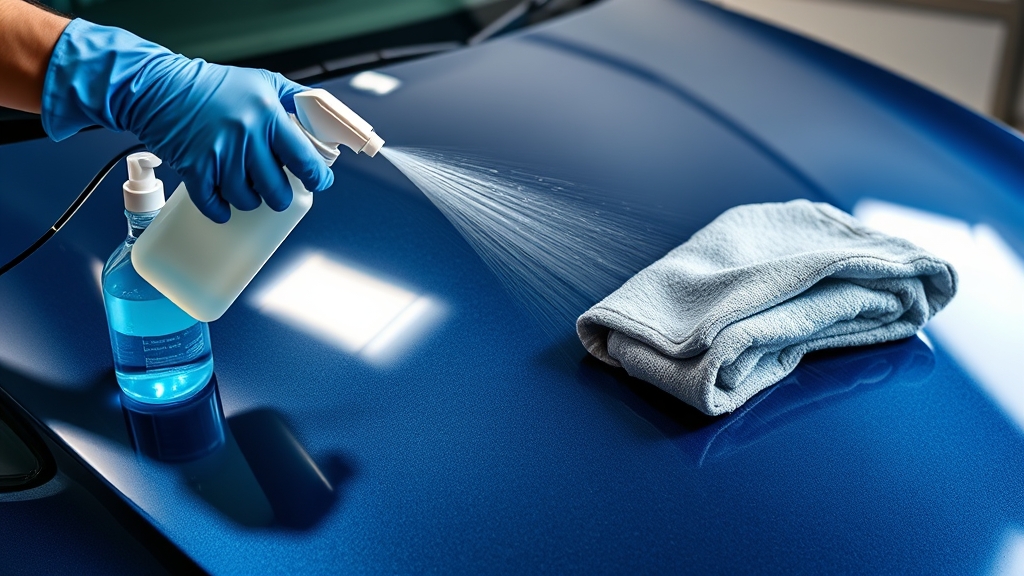
- Spray a small amount onto a clean microfiber towel (never directly onto hot paint).
- Apply in overlapping straight-line passes, working panel by panel.
- Flip your towel to a dry side to buff off any residue before it dries.
- Never layer more than 1–2 times unless the manufacturer allows (over-application is a common cause of hazing).
- Let it cure dry
- Keep the car dry and out of the elements for the time specified (usually 1–6 hours). Avoid washing the vehicle for 24 hours post-application.
For ongoing results, set a schedule—most brands recommend reapplying every 2–3 months or after heavy washes. More frequent use is not always better and can sometimes soften or disturb “pro” ceramic layers. For more tips on maximizing coating longevity, visit our Ceramic Coating Maintenance Guide.
Advanced Analysis & Common Pitfalls: What Goes Wrong?
Despite the boom in ceramic boost sprays, recurring buyer complaints point to several real-world pitfalls—especially with today’s multi-layer, high-solid SiO2 coatings. Here’s what to watch for:
| Issue | When It Happens | Main Causes | Remediation |
|---|---|---|---|
| Gloss loss within weeks | After frequent booster use or using incompatible spray | Softening of underlying ceramic, solvent mismatch | Switch to pH-balanced, SiO2-compatible product; allow coating to “rest” |
| Streaking/haze (“rainbow”) | Warm panels, thick application, high humidity | Uneven wipe, over-layering, not following cure time | Buff with damp towel, polish lightly; stick to cool, shaded surfaces |
| Loss of water-beading | After applying over an incompatible coating | Polymer/silica film doesn’t bond; underlying ceramic damaged | Deep clean, small panel retest, or full strip/re-coat if needed |
| High cost, poor value | All brands/tiers | Subscription eco formulas often cost more but don’t always outperform | Prioritize proven lab/field results over marketing claims; avoid upsells |
Forum and review site scans confirm these themes:
- One reviewer noted that “Diamond Pro Tech Quick Body diminished the life or water behavior of a previously applied 22PLE HPC coating.” Great gloss alone doesn’t guarantee longevity—compatibility is king. (AutoGeek user review).
- Other negative review patterns focus on: loss of hydrophobicity, increased streaking over time, and buyer frustration at “pro” prices.
- Market research shows ~35% of US owners and 20% of EU owners use a maintenance spray at least quarterly.
Advanced buyers ask about pH, solvent base (water, alcohol, low-VOC), and the active SiO2 content (often “pro” sprays have less silica than real coatings). Transparent MSDS/ingredient lists and lab test results inspire more confidence than flashy branding. For a breakdown of real vs. hype, see our ceramic coating cost guide.
Regulatory changes on VOCs and PFOA content are making “green” or low-emission sprays more common, but not always more durable. Always check for disposal and health guidance, especially with concentrated solvents (Coherent Market Insights 2024).
Conclusion: Make Your Ceramic Coating Maintenance Spray Work for You
Ceramic coating maintenance spray offers proven benefits—but only if you select the right formula, apply it with pro-level prep, and respect your coating’s chemistry. Don’t trust marketing alone. Rely on rigorous testing, compatibility with your base layer, and a realistic application routine to extend the life and gloss of your investment. As always, test first, maintain regularly, and learn from trusted buyer feedback. To learn how maintenance sprays fit into the bigger picture of paint care, read our ceramic coating kit beginner guide or explore expert paint correction tips.
Ready to get the most out of your ceramic coating maintenance spray? Always check your coating’s manufacturer advice and independent tests. Protect your finish, not just your wallet—choose wisely, apply smart, and enjoy the results.
Frequently Asked Questions
How often should I use a ceramic coating maintenance spray?
Most manufacturers and pro detailers recommend using a maintenance spray every 2 to 3 months, or after every 6–8 washes. Overuse can sometimes reduce hydrophobicity or soften the base coating.
Can I use a ceramic boost spray over any ceramic coating?
No. Some sprays are not compatible with high-SiO2 or professionally installed coatings and may cause streaking, haze, or reduced durability. Always check compatibility or test on a small area first.
What’s the biggest cause of streaking or “rainbow” hazing?
Poor decontamination, thick or uneven application, hot panels, or applying multiple layers without allowing proper cure will create streaks and rainbow haze. Work on cool, clean surfaces and buff before the spray dries fully.
Is more expensive always better in this product category?
No. User and lab testing show that price is not a perfect indicator of gloss or longevity. Focus on proven compatibility, SiO2 content, and real-world test results.
How do I tell if my spray is really working?
Simple home tests: observe water beading and sheeting, check gloss in sunlight, and test slickness by touch. For more rigor, measure water contact angle and track gloss meter readings after application and over time.