

ceramic coating maintenance spray is the best-kept secret for car owners who want to extend pro-grade paint protection, boost gloss, and keep hydrophobicity alive between major details—without hype or waste.
Key Takeaways
- About half of ceramic-coated car owners now add a ceramic coating maintenance spray every few months for extra gloss, beading, and real-world longevity gains.
- Routine use of booster sprays increases your coating’s protection lifespan by 6 to 12 months on average—quantifiable, not just cosmetic.
- Pitfalls like streaking, hazing, and compatibility issues are common, but most are preventable with careful product choice and correct application.
- Why This Matters—What a Maintenance Spray Actually Does
- Adoption, Action Steps, and Real DIY Use: The Practical Owner’s Guide
- Advanced Analysis & Common Pitfalls: What Labs and Owners Reveal
- Conclusion: Is Maintenance Spray Worth It for You?
- FAQs: Maximizing Ceramic Coating Maintenance Spray Results
Why This Matters—What a Maintenance Spray Actually Does
A professional ceramic coating is a cured, chemically bonded silicon dioxide (SiO2) layer that lasts 2 to 5 years when properly maintained, shielding your vehicle against UV, chemicals, and minor scratching. But real-world exposure, washing, and environmental grime gradually wear down its hydrophobic power.
This is where a ceramic coating maintenance spray fits in. Unlike the permanent coating, the spray is a removable silica-rich “skin” that sits on top. Applied after washing (or as a quick detailer), it revives water beading and boosts surface gloss with each use. The protection is measurable but temporary—lasting a couple of months before it naturally wears off.
Research shows ceramic coatings average 2–5 years of lifespan, but with regular use of a ceramic boost spray or maintenance spray, owners typically extend the effective protective life by about 6–12 months due to periodic new silica deposited atop the existing film (source).
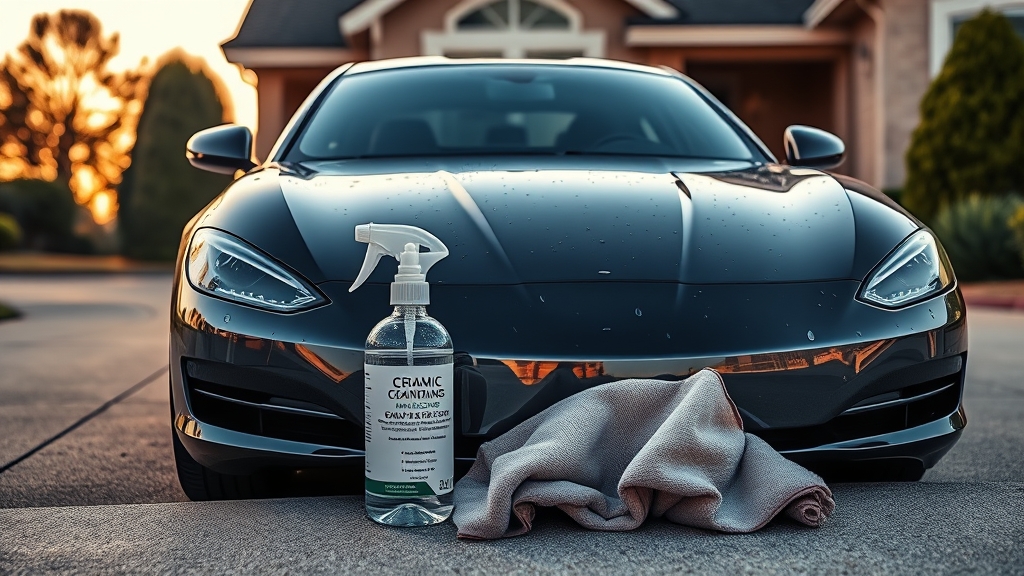
The key is that sprays are sacrificial. They don’t permanently patch the coating, but they do refresh slickness, gloss, and hydrophobicity—making them a low-cost, high-impact way to maintain your protection between expensive recoats.
For a closer look at how this fits in a long-term detailing plan, see our ceramic coating kit guide for beginner and DIY options.
Adoption, Action Steps, and Real DIY Use: The Practical Owner’s Guide
In 2024, about half (48–52%) of coated car owners routinely use a ceramic coating maintenance spray as part of their regimen (source). Their main reasons? Boosting beading and gloss, protecting against daily grime, preserving resale—and making regular maintenance faster and safer on their investment.
If you want these results, here’s a proven step-by-step process:
- Wash thoroughly: Use a pH-neutral shampoo and a microfiber mitt to avoid abrading the coating. Dry completely with a plush towel.
- Inspect and prep: Sweep a clean hand over the paint; if you feel roughness, use a clay bar as needed.
- Apply ceramic boost spray: Spray lightly onto a small section of the panel or directly onto a clean microfiber towel (not on hot panels or in direct sun).
- Buff off immediately: Use a separate dry microfiber towels to remove residue in overlapping passes. Don’t let the spray sit or dry on the surface.
- Repeat in sections: Continue for the entire vehicle, switching towels if they get damp.
- Frequency: Research-backed schedules recommend using a ceramic boost spray every 3–6 months. Wash every 2–4 weeks for optimal performance (source).
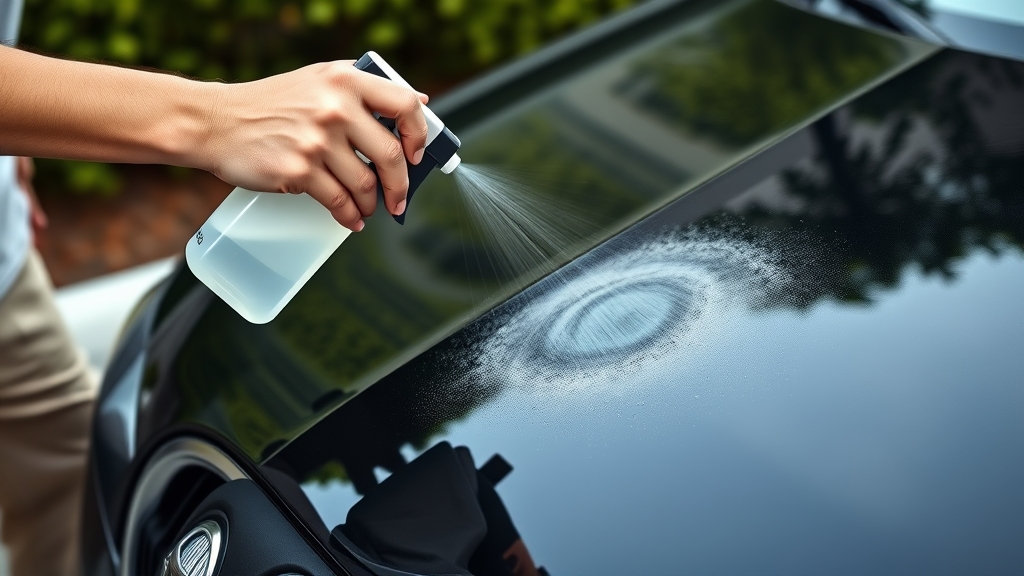
For busy owners, you can also use a ceramic boost spray as a drying aid. Lightly mist on a wet surface, dry as normal, then follow with a clean towel for a final buff—this accelerates your routine while still adding protection.
For toughest protection, alternate boost sprays with regular maintenance and occasional inspections. If signs of fading (loss of beading, gloss, or roughness) appear even after spray use, consider a professional re-coat or advanced detailing (learn more about restorative options in our correction guide).
Advanced Analysis & Common Pitfalls: What Labs and Owners Reveal
Thousands of real-world owners use maintenance sprays, but the experience isn’t perfect. Despite measurable gains, problems with product claims, application, and compatibility appear regularly in user forums and lab reports.
Comparison: Permanent Coatings vs. Maintenance Sprays vs. Boost Sprays
| Factor | Ceramic Coating (Pro/DIY) | Ceramic Coating Maintenance Spray | Ceramic Boost Spray |
| SiO2 Content | ~70–90% (bonded film) | ~5–15% (removable top layer) | Similar to maintenance spray, often slightly enriched |
| Bond Type | Permanently cured | Removable (mechanical/sacrificial) | Removable |
| Durability | 2–5 years (with care) | 2–3 months | 2–6 months |
| Typical Cost (per use) | $800–$1,550 full install (source) | $1–$5 per application | $1–$6 per application |
| Best Use | Initial protection, deep defense | Routine gloss/hydrophobic refresh | Surface touch-ups, in-between washes |
| Application Complexity | Pro-level: surface decon, curing, high control needed | DIY: spray & wipe | DIY: spray & wipe |
| Common Issues | None if well maintained; premature wear if neglected | Streaking/hazing, product mismatch, temporary effect | Chalky film, reduced hydrophobicity as layer degrades |
Top 5 Real-World Owner Complaints About Ceramic Boost Sprays
- Streaking or hazing: The #1 issue is visible streaks or a filmy residue left behind—almost always from applying to a wet surface, overusing product, or not buffing soon enough.
- Temporary effect: Water beading and gloss drop back to pre-spray levels within 2–3 months in moderate climates. Some users expect longer life.
- Coating incompatibility: Certain high-hardness or nano coatings can react with booster sprays, leading to reduced performance or even chalky films—a user on AutoGeek writes, “…very unimpressed… Think it may have seriously impacted the life of [my] ceramic coating.” (source)
- Fragrance overload: Some formulations are heavily scented, clashing with sensitive users or cabin interiors.
- Re-application demands: Owners wanting a “set it and forget it” solution often dislike the need for touch-ups every quarter.
Other Common Pitfalls
- Failing to follow the label’s compatibility notes (especially with older coatings, matte finishes, or plastics); always patch test first.
- Applying on hot paint or under direct sun—leads to “ghosting” and stubborn haze.
- Using too much product; less is more for these sprays.
Overlooked Use Cases and Compatibility Matrix
- Older or unknown coatings: Patch test on an inconspicuous area before regular use. Some SiO2 sprays strip or dull worn surfaces.
- Matte finishes: Most boost sprays add gloss—avoid on matte paint unless label says “safe for matte” to prevent unwanted shine.
- Motorcycles, boats, plastics: Extra caution needed in high-salt or wax-exposed environments; some boost sprays may not bond or may attract grime.
For deeper paint prep between spray applications, check our clay mitt guide.
Independent Testing—What’s Missing in the Market
Most ceramic coating maintenance spray vendors publish their own in-house test results. However, as of 2024, no major, widely accepted independent laboratory results verify all protection and longevity claims across brands (source). When shopping, trust third-party certifications (e.g., ISO, ASTM) and long-term field user reviews. Be wary of marketing-only durability claims.
How to Pick the Best Ceramic Coating Maintenance Spray
- Look for declared SiO2 content (typically 5–15% for boosters).
- Pick pH-neutral and water-based sprays where possible—safer, less streaking.
- Check “compatible with [your brand] coating” or “safe for all ceramics.”
- Avoid strong fragrances if sensitive or allergic.
- Steer clear of “all-in-one” sprays with wax if your goal is pure coating preservation.
- Buy smaller bottles to test before making boosters a routine.
For current favorites, see our hands-on maintenance spray recommendations.
Conclusion: Is Maintenance Spray Worth It for You?
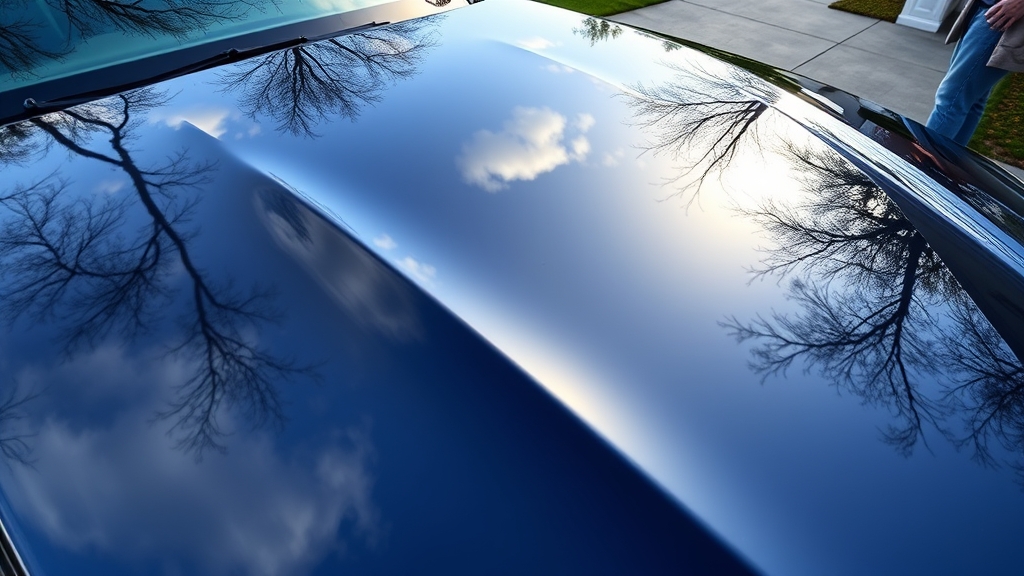
For most detail-oriented car owners, especially those planning to keep a vehicle 3–10 years, periodic use of a ceramic coating maintenance spray is a science-backed, cost-effective way to protect your investment. The trade-off? You’ll spend a few extra minutes every quarter, but you’re buying measurable gains in gloss, reduced dirt, and 6–12 months of boosted coating lifespan—backed by real-world data, not just brand claims.
Ready to build your own evidence-based protection plan? Start with a compatible ceramic coating maintenance spray and give your paint the fighting chance it deserves—for less than the cost of a single paint correction.
Explore more at our beginner’s kit guide or compare cutting-edge alternatives like graphene protection sprays.
FAQs: Maximizing Ceramic Coating Maintenance Spray Results
Does a ceramic boost spray replace a full re-coat?
No. A boost spray is a temporary, removable refresh that extends your coating’s performance but does not replace a professionally bonded ceramic coating.
Can a ceramic coating maintenance spray harm my coating?
Generally, no—if the product is compatible and used as directed. But incompatibility (especially with high-hardness or nano coatings) can cause hazing or chalk. Always patch test and read the label.
How long should I wait between spray applications?
Most pros recommend 3–6 months between applications, or sooner if you notice water no longer beads or gloss fades. Wash every 2–4 weeks to maintain surface cleanliness.
What’s the typical cost of maintaining a coating with sprays vs. professional top-ups?
A professional ceramic coating install runs $800 to $1,550; using maintenance sprays between recoats usually runs just a few dollars per month, but enhances both protection and resale value.
How do I know if my spray is compatible with my ceramic coating?
Read the product label for explicit compatibility, check your coating brand’s recommendations, or patch test on an out-of-sight area. Never assume cross-compatibility.